



So, you guys know about Nantou, right? It’s the only landlocked county in Taiwan, bless its heart. But what it lacks in coastline, the universe totally made up for by gifting it this absolutely stunning natural freshwater lake. Seriously, it’s like a cosmic compensation package! Like many of you, I’ve known about Sun Moon Lake since I was a kid – it’s practically synonymous with Taiwan tourism, right up there with Alishan.
After winding through a few mountain roads, a huge body of water finally started to peek into view. “That’s Sun Moon Lake!” our guide announced. Honestly, my first glimpse through the car window felt a little… reservoir-ish. I mean, it looked like a really nice reservoir, but a reservoir nonetheless. I’ll admit, a tiny bit of disappointment flickered. Yesterday at Alishan, the forecast said rain, but it never came. Today? Same story, with skies looking pretty moody.
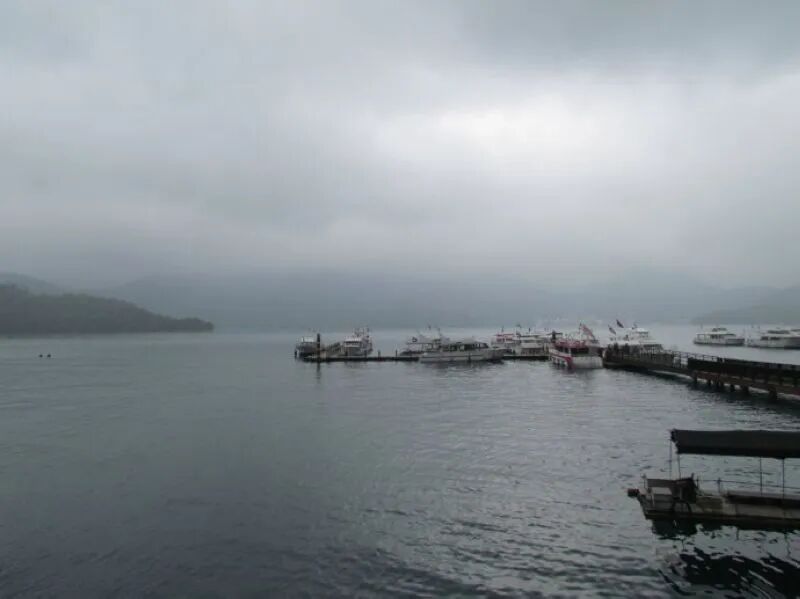
Sun Moon Lake is nestled right there between Yushan and Alishan, surrounded by majestic peaks like Shuishe Mountain, Bujih Mountain, Yiji Mountain, Tantou Mountain, Songbolun Mountain, and Maolan Mountain. It’s basically a giant collection of mountain streams flowing together, earning it the nickname “Taiwan’s Heavenly Lake” and hailed as the top of Taiwan’s Eight Scenic Wonders. The lake’s shoreline stretches about 22 miles (35 kilometers), and the surface area is a whopping 3.5 square miles (9 square kilometers), with depths often exceeding 100 feet (30 meters). To put that in perspective, it’s slightly bigger than Hangzhou’s West Lake, but get this – it’s over 10 times deeper! Talk about hidden depths!
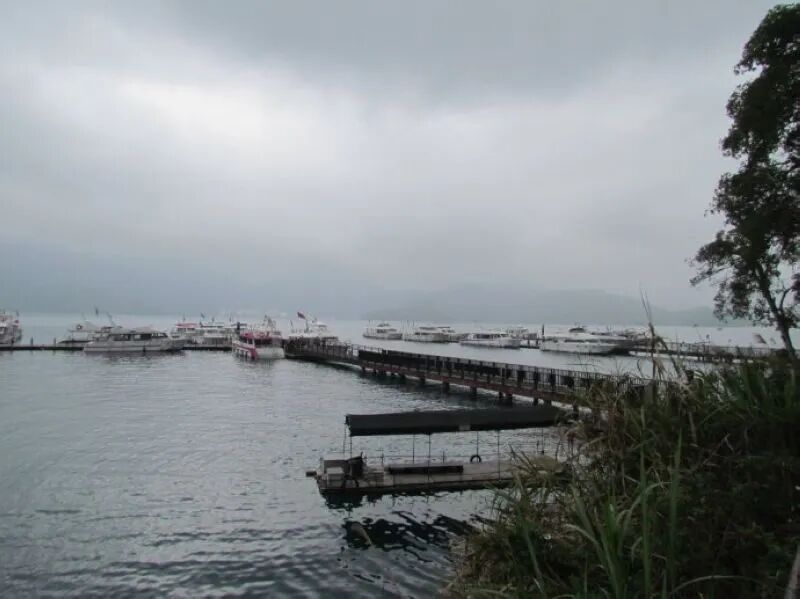
Flashback to the Japanese colonial period: they weren’t just admiring the view; they were busy building a power plant! To do that, they constructed dams and dikes, diverting water from the upper reaches of the Zhuoshui River into Sun Moon Lake, which significantly raised its water level to the grand lake we see today. The roads built to transport materials for the power plant also made the area way more accessible, kickstarting the tourism boom and the vibrant development of the surrounding region.
After Taiwan was retroceded (returned to Chinese rule), new attractions popped up or got a facelift, like Xuanguang Temple, Xuanzang Temple, Ci’en Pagoda, and Wenwu Temple. This brought in even more visitors, transforming the Sun Moon Lake area from a settlement of the Thao indigenous people and a hydropower hub into a world-famous tourist hotspot.
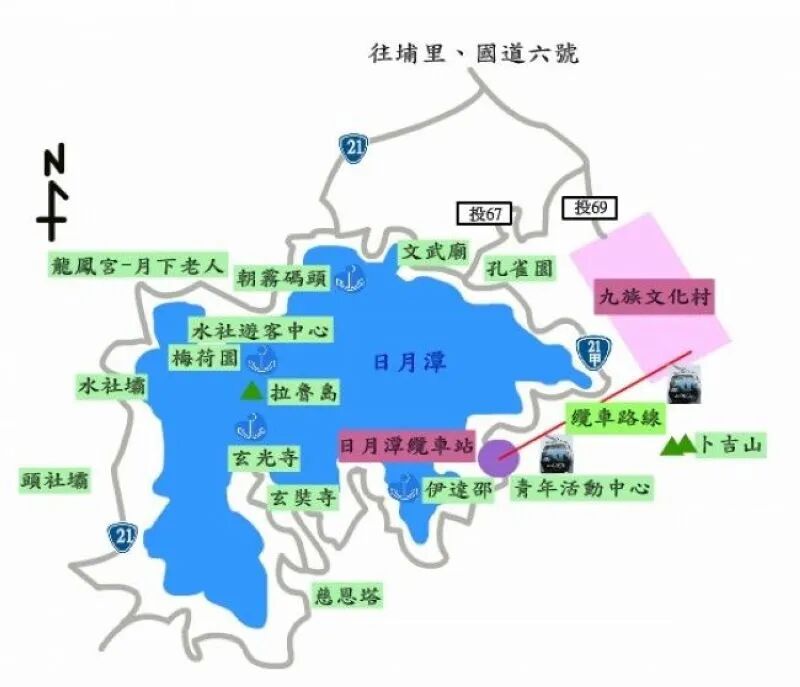
Here’s a quick rundown of the main attractions around the lake:
North: Wenwu Temple, Songbolun (featuring a statue of Chiang Kai-shek), Peacock Garden
East: Ita Thao (Thao indigenous village), Xuanguang Temple, Xuanzang Temple, Ci’en Pagoda
West: The Lalu (Hanbi Building), Shuishe Pier (where you’ll find hotels and restaurants)
We hopped on a yacht from Chaowu Pier for a lake tour, with a planned stop at Xuanguang Temple.
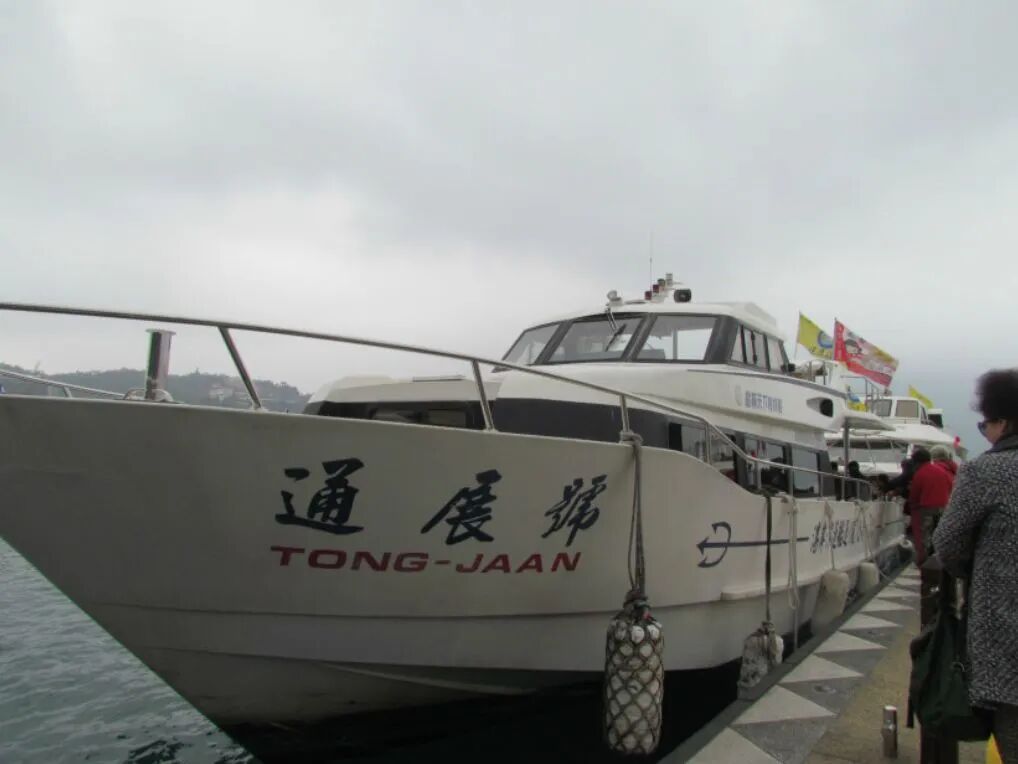
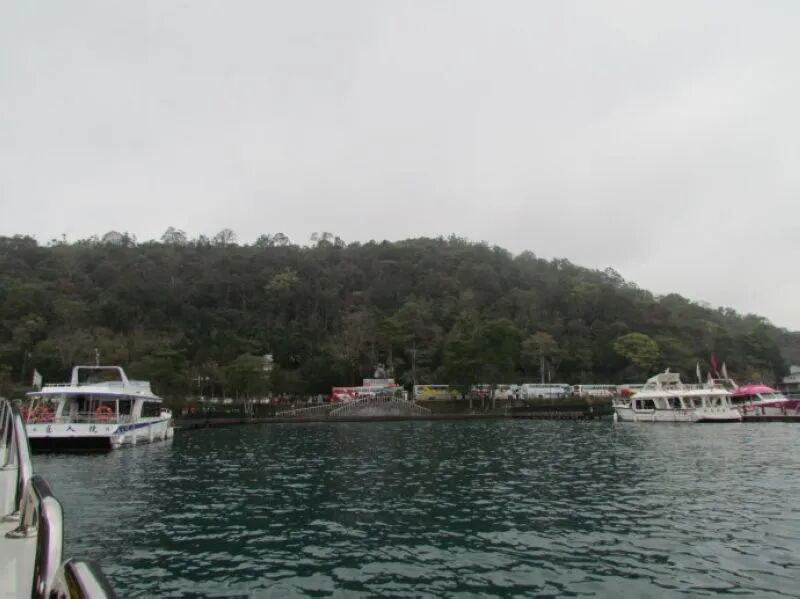
As the yacht pulled away, I glanced back at the pier. The mountains were lush and green, and the lake water? Crystal clear and absolutely emerald!
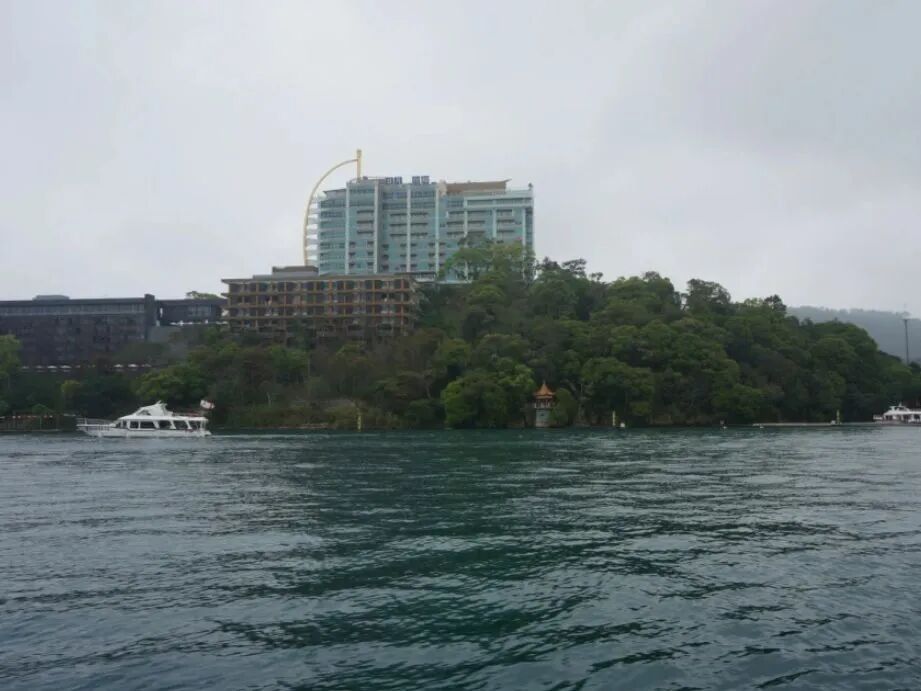
From the boat, we got a glimpse of The Lalu, also known as Hanbi Building. Perched on the Hanbi Building peninsula, it was originally built by the Japanese during their colonial rule and later became a presidential retreat for Chiang Kai-shek. Sadly, it was severely damaged in the devastating 921 earthquake of 1999. The Xianglin Group bought it, poured NT$1.86 billion (that’s a lot of dough!) into rebuilding it over five years, and reopened it in 2002 with a completely fresh look. The whole resort is divided into three sections (A, B, and C) based on its terrain and function.
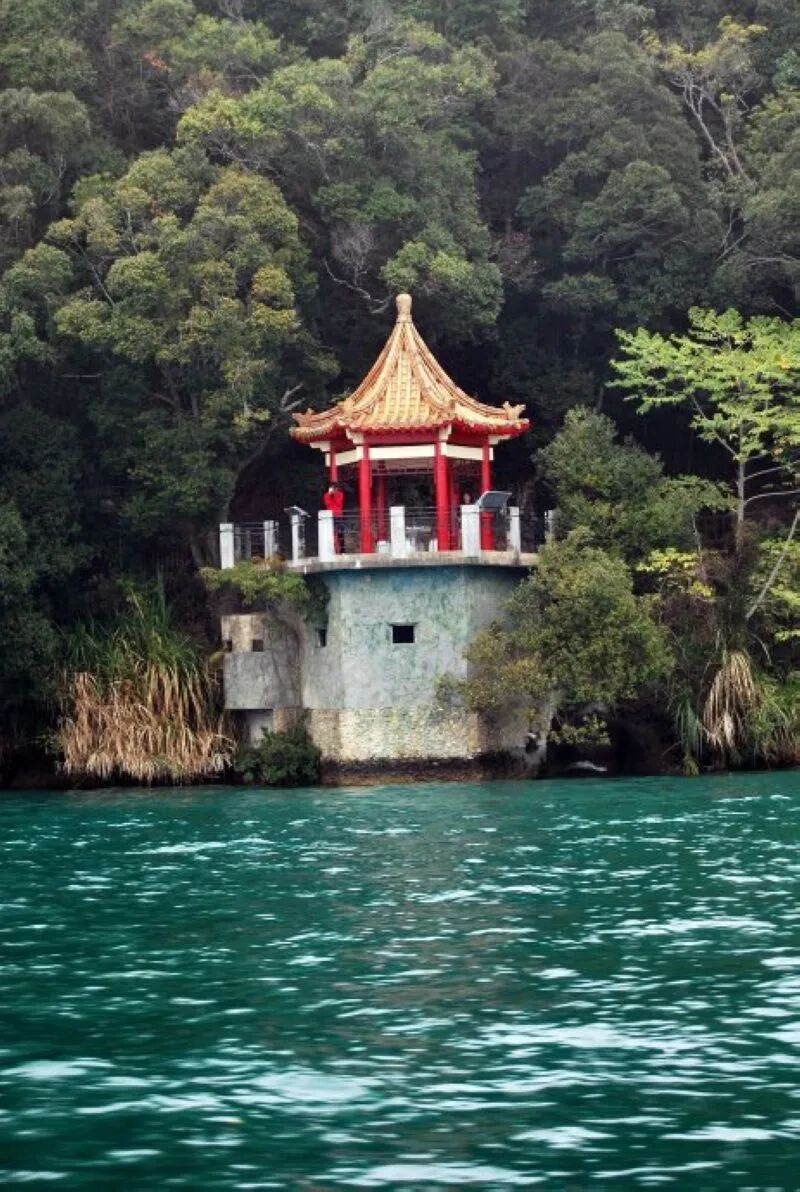
That little pavilion on the right? That’s where Chiang Kai-shek and his wife, Soong Mei-ling, used to chill out, sipping tea and chatting. You can even spot the guard’s lookout holes underneath!
Halfway up the mountain, there’s even a “Jesus Chapel,” which was their private worship spot. Talk about exclusive!
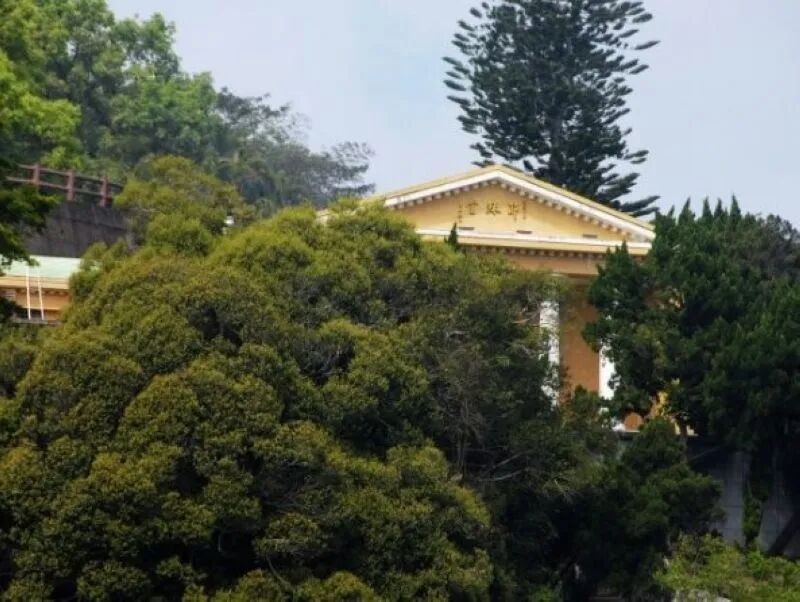
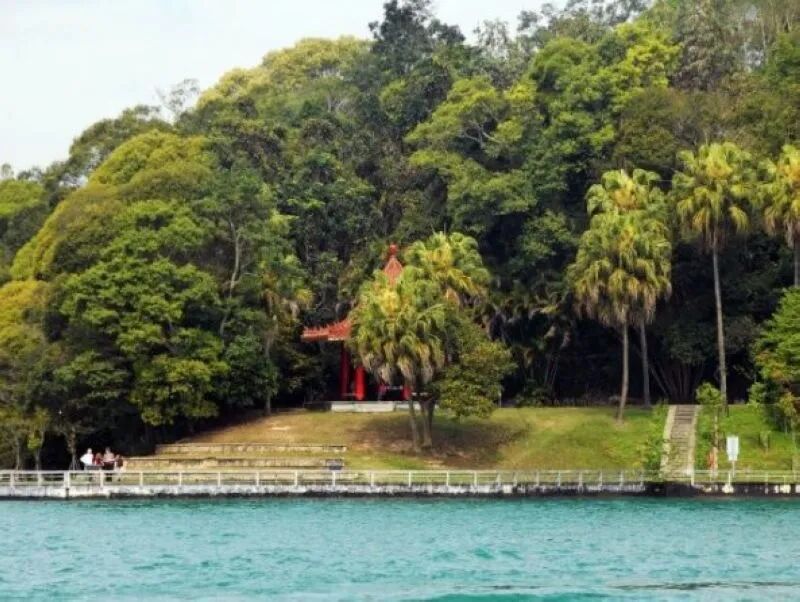
The Hanbi Building Trail is this gorgeous, winding forest path that circles the entire Hanbi Building area. The trail is pretty mellow, with gentle slopes and steps crafted from red bricks, giving it this wonderfully rustic, elegant vibe amidst the green trees. And check out the dock below the trail!

Part of the Hanbi Building Trail: This red pavilion is called “Yule Pavilion” (Fish Lele Pavilion), and it’s where Chiang Kai-shek would entertain foreign guests. Pretty swanky, huh?
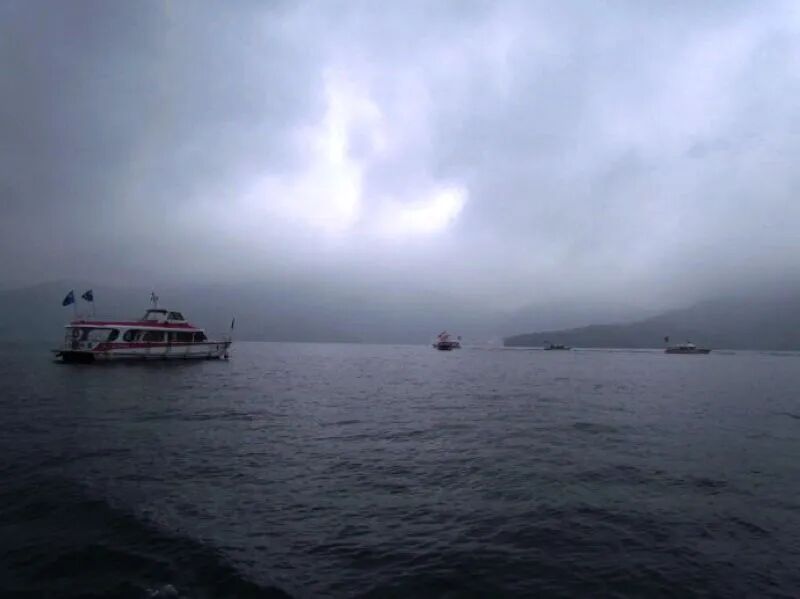
Seriously, those dark clouds were rolling in like the sky was about to fall!
Right in the middle of Sun Moon Lake sits a tiny island, which actually divides the lake. It’s home to a relic of Xuanzang, and from a distance, it looks like a pearl floating on the water. So, naturally, it used to be called “Pearl Island,” but now it’s known as Lalu Island. This island is the reason the lake got its name: the northern part is round like the sun, and the southern part is crescent-shaped like the moon. Pretty cool, right?
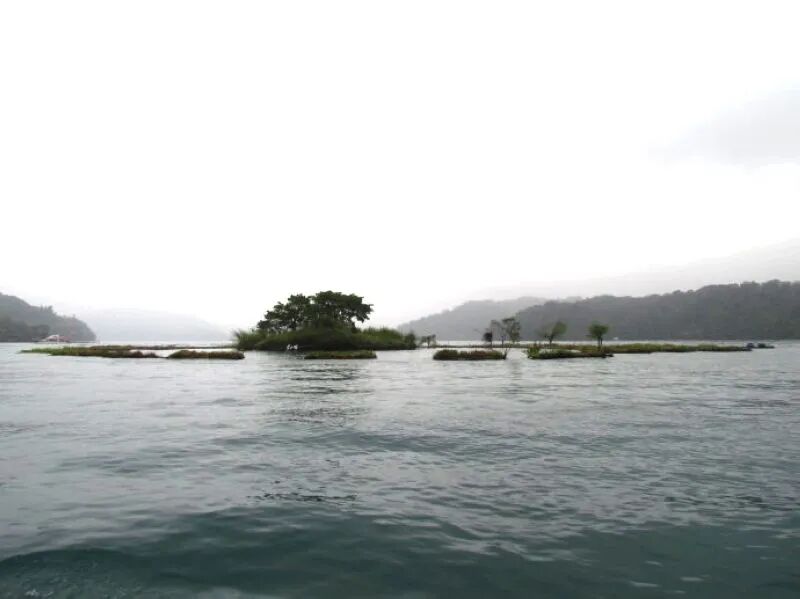
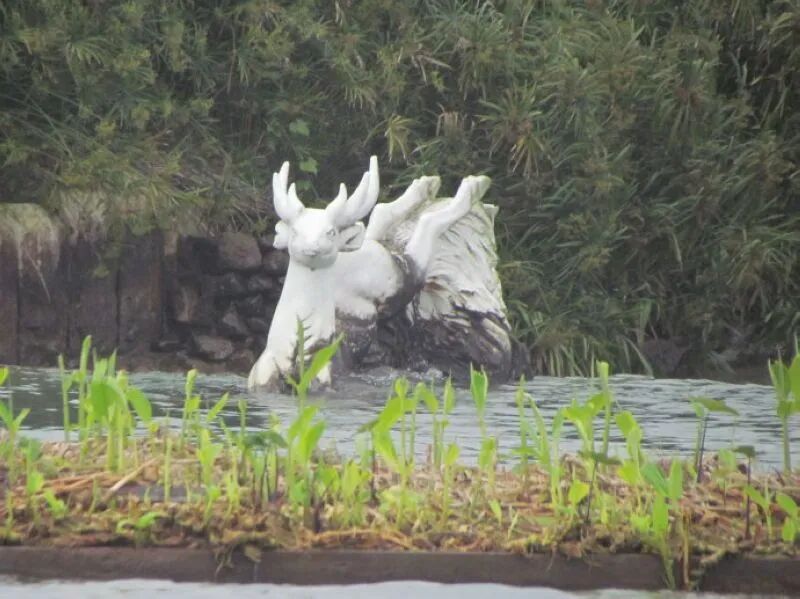
In the 1999 earthquake, not only were the buildings on the island completely destroyed, but the entire island actually sank into the lake! What we see today was restored in 2007. The rebuilt Lalu Island now beautifully incorporates more of the Thao tribe’s culture and art, featuring a white deer sculpture and owl mascots – guardians of the Thao people.
We actually owe the discovery of Sun Moon Lake to the ancestors of the Thao people. Legend has it that over 300 years ago, 40 indigenous hunters from Chiayi County were out on a hunt when they spotted a massive white deer bolting northwest. They tracked it for three days and three nights, eventually losing sight of it in the dense mountain forests. But their persistent search led them, amidst countless peaks and thick jungles, to this stunning, clear blue lake. Talk about a happy accident!
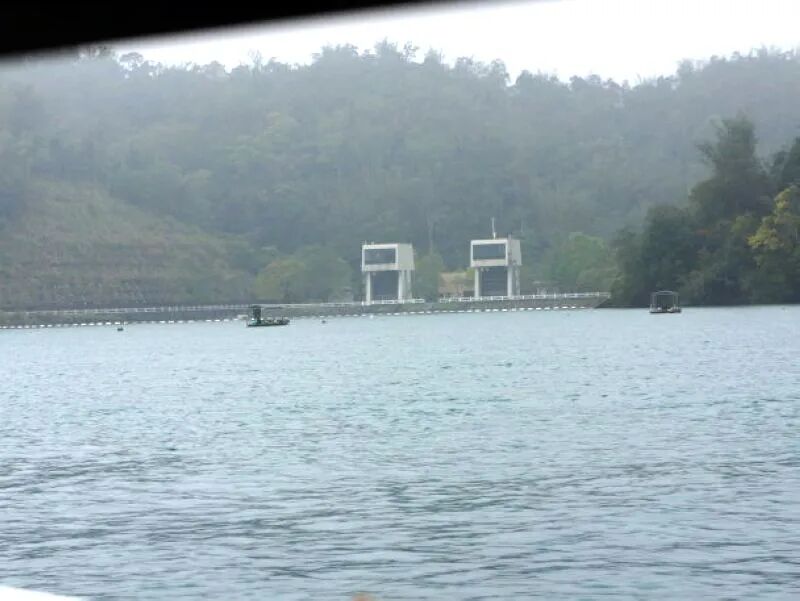
Our boat continued southwest, circling the Moon Lake side. Through a thin mist, we could just make out the Shuishe Dam and sluice gates of the Sun Moon Lake Hydropower Plant. Construction on the power plant began way back in July 1918 by the Japanese and was completed in June 1934. Once it was done, the lake’s water level rose, expanding its surface area from 1.75 square miles (4.55 sq km) to a much larger 2.98 square miles (7.73 sq km). However, the island then known as “Zhuzi Mountain” (now Lalu Island) actually shrank quite a bit. The power plant was damaged by bombing in 1944, but after Taiwan was retroceded, it was repaired and back in business by 1946, renamed Daguan Power Plant. It’s pretty innovative, generating power during the day using Sun Moon Lake’s high water level and then pumping water back up to the lake from downstream during off-peak hours at night. Smart!
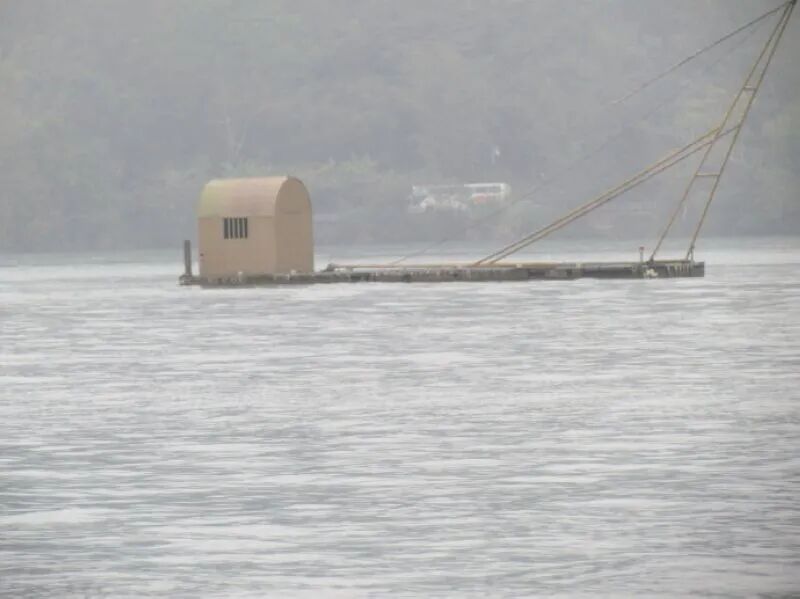
Check out these “water houses” – an early invention by the Thao people. Pretty unique way to live, right?
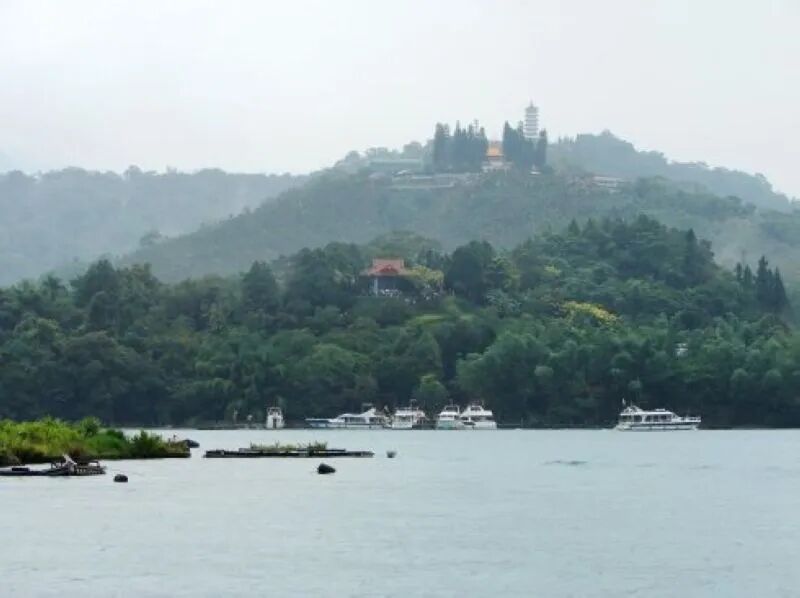
As we approached Xuanguang Temple Pier, the Ci’en Pagoda emerged from the mist across the lake. Chiang Kai-shek had this pagoda built in 1971 to honor his mother, Madame Wang, designing it in the style of an octagonal pagoda from the Liao and Song dynasties. It sits on top of Qinglong Mountain, an impressive 3,133 feet (955 meters) above sea level. The pagoda itself is nine stories high, about 148 feet (45 meters), with its very tip reaching exactly 3,281 feet (1,000 meters) above sea level. They say the top floor is Madame Wang’s memorial hall, complete with stone tables and chairs for visitors to rest. Ci’en Pagoda is the highest point in the Sun Moon Lake area, and from the top, you can not only see Lalu Island, Xuanzang Temple, and Ci’en Pagoda all perfectly aligned on one central axis, but you also get a breathtaking panoramic view of the entire lake. Totally worth the climb!
Alright, we’ve arrived at Xuanguang Temple Pier!
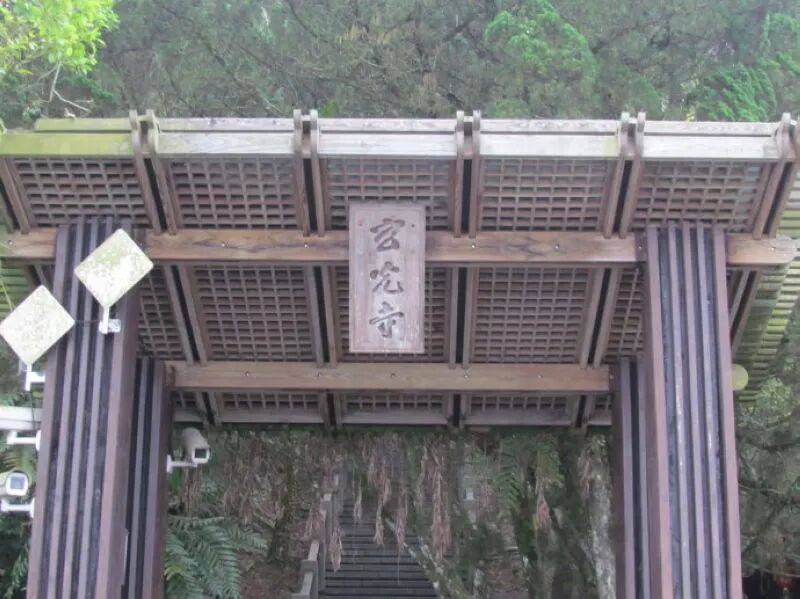
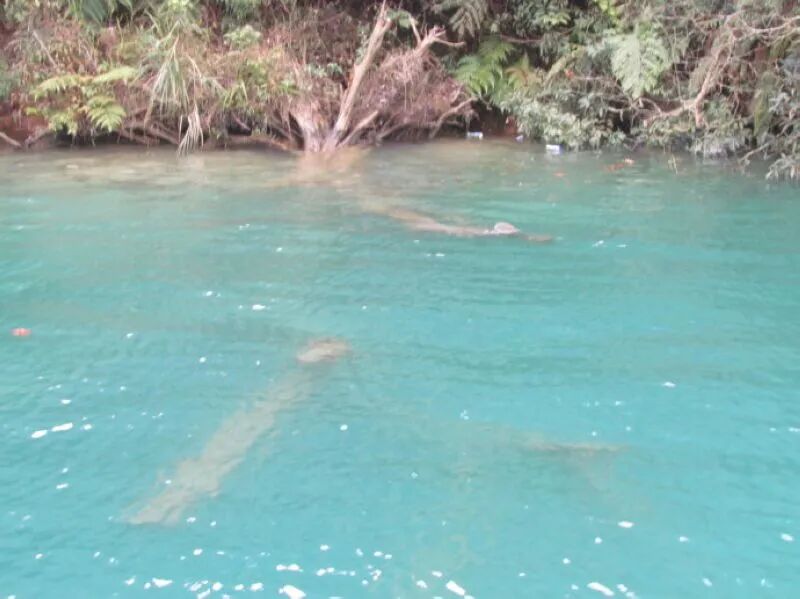
Seriously, look at that water! It’s so clear, it practically screams ‘take a dip!’ Like a giant, natural swimming pool.
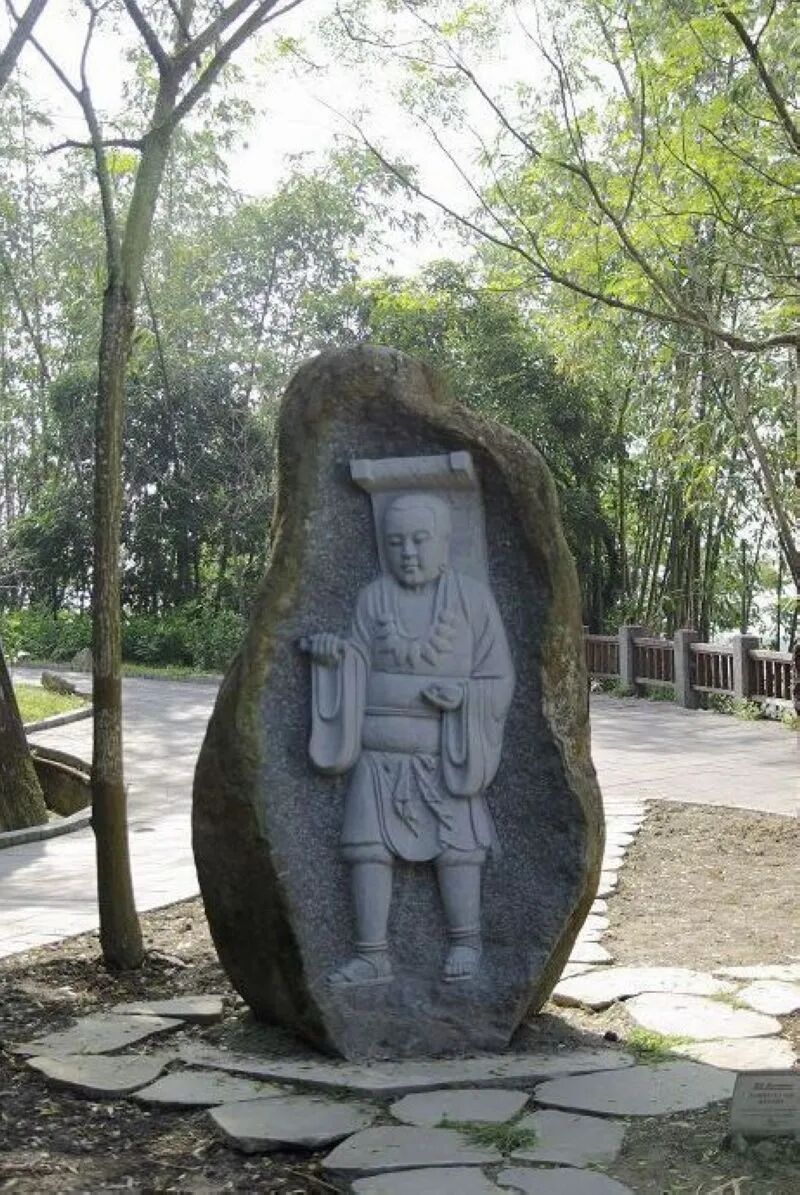
Below Xuanguang Temple, there’s a stele (stone tablet) featuring a statue of Xuanzang carrying scriptures. This “Xuanzang on his Journey to the West” is a super famous depiction of the master, appearing in almost every book about him. It vividly portrays Xuanzang barefoot and in straw sandals, burdened with a satchel full of Buddhist scriptures, truly embodying his arduous, thousands-of-miles journey to seek true Buddhist teachings. It just inspires so much respect and admiration for this incredible cultural ambassador.
Xuanguang Temple itself was built in 1955.
Back in 664 AD, Xuanzang, the legendary monk, passed away in Chang’an’s Yuhua Temple. Emperor Gaozong was reportedly devastated, exclaiming, “I have lost a national treasure!” He ordered a state funeral, and Xuanzang was initially buried in Bailu Plain. A year later, his remains were moved to Fanchuan North Plain, where a pagoda was built to house them. Over the centuries, Xuanzang’s relics were moved several times due to various conflicts, finally finding a resting place in Nanjing’s Tianxi Temple in 1027 AD.
Fast forward to February 1943, during the Sino-Japanese War. Japanese forces, while constructing a “shrine” on the site of Nanjing’s Dabao’en Temple, accidentally unearthed Xuanzang’s skull relic in a stone casket. Recognizing its immense value, the Japanese initially wanted to keep it for themselves. However, due to public pressure, they eventually divided the relic into six portions, offering some for veneration in Nanjing and Beiping (Beijing), and taking a portion back to Japan to be enshrined at Jion-ji Temple in Saitama Prefecture.
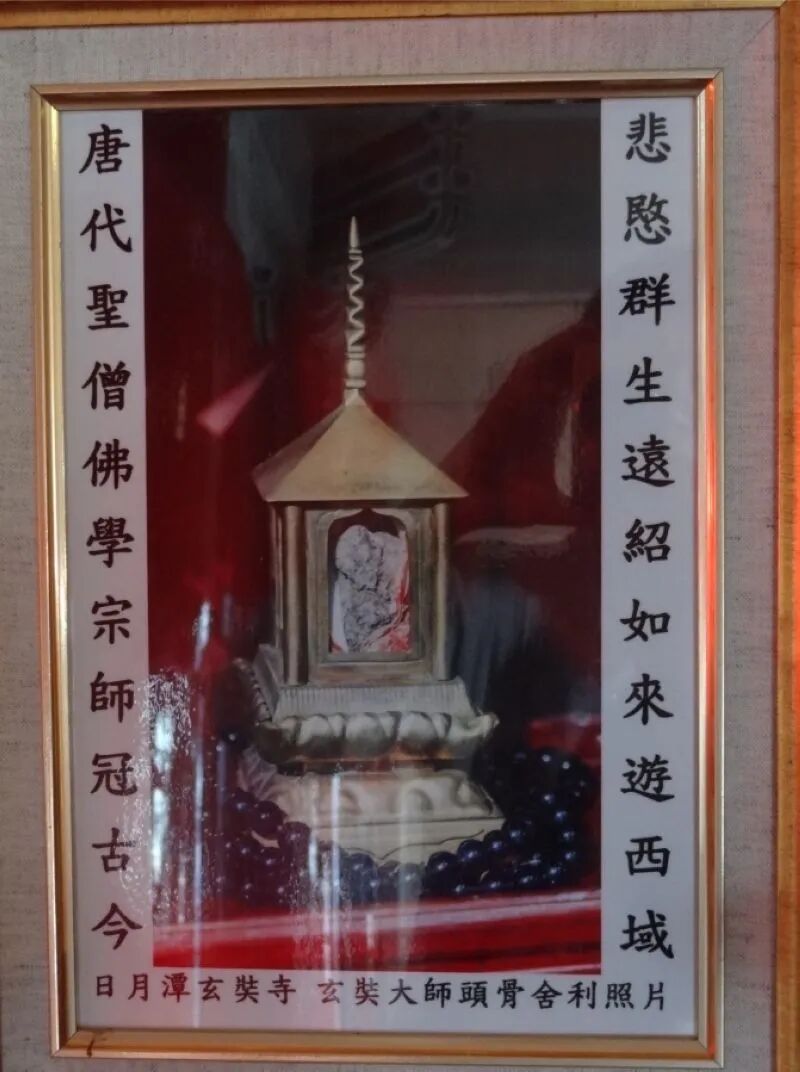
After the war, Taiwanese Buddhist representatives negotiated with the abbot of Jion-ji Temple, and after several rounds of talks, Japan agreed to share a portion of the skull relic with Taiwan. On November 25, 1955, Taiwanese monks brought Xuanzang’s skull relic back to Taiwan. Many places vied to house it, but ultimately, Chiang Kai-shek decided it should be enshrined in a temple built on the shores of Sun Moon Lake. Xuanguang Temple was constructed entirely in the style of the Tang Dynasty. In November 1965, after Xuanzang Temple was completed, the relic was then moved and permanently housed there.
The temple is strategically located right where the Sun Lake and Moon Lake meet on land, and its exterior boasts a cool, Japanese-inspired architectural style.
Check out this massive bell!
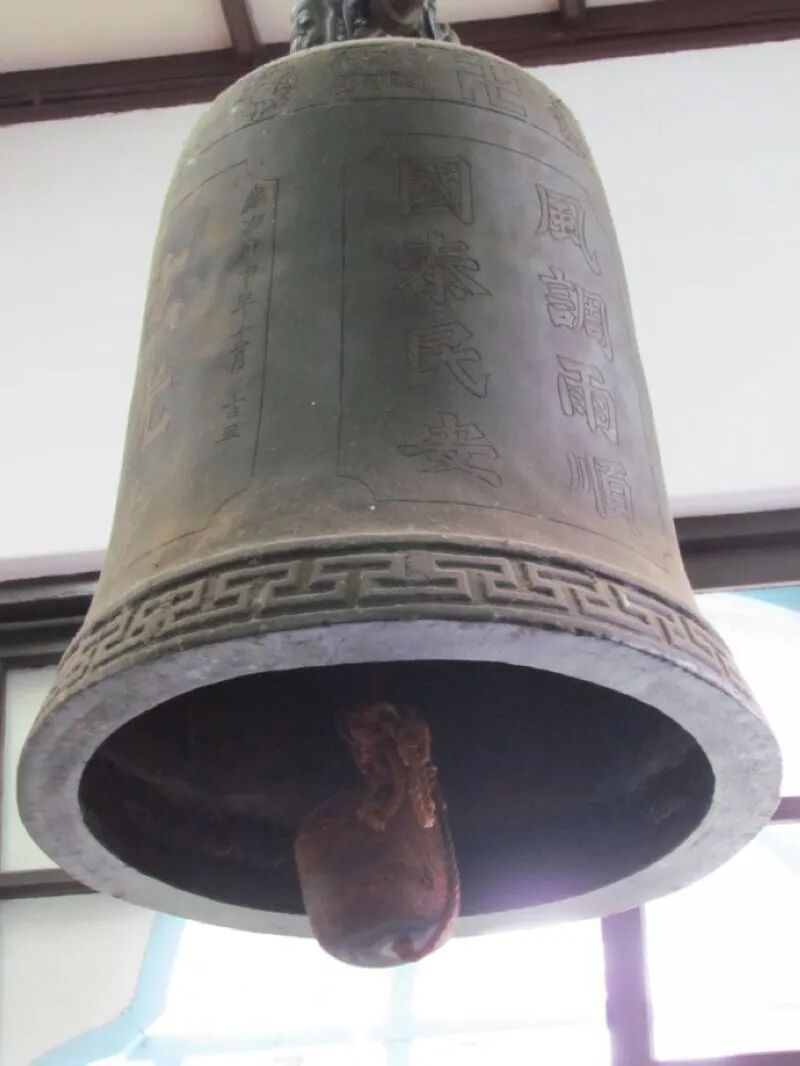
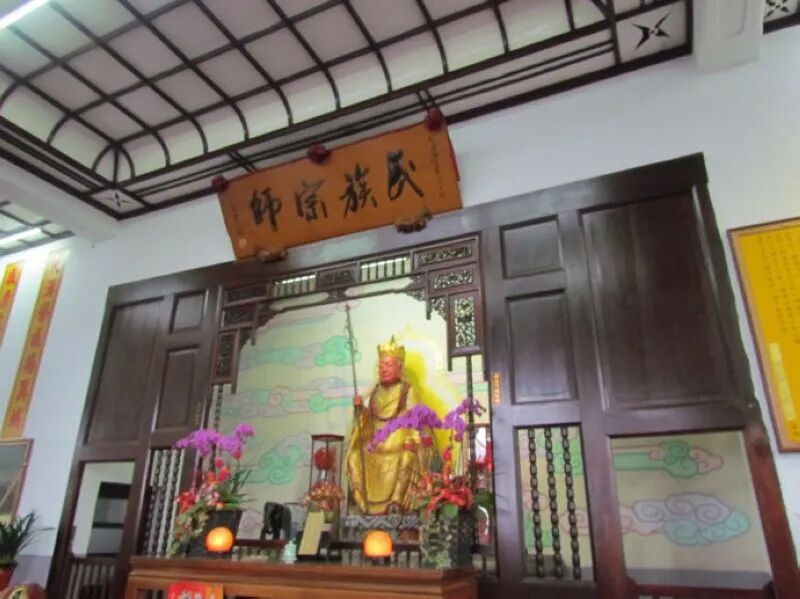
Inside, you’ll find a golden statue of Master Xuanzang, with a grand plaque above it that reads “National Master.”
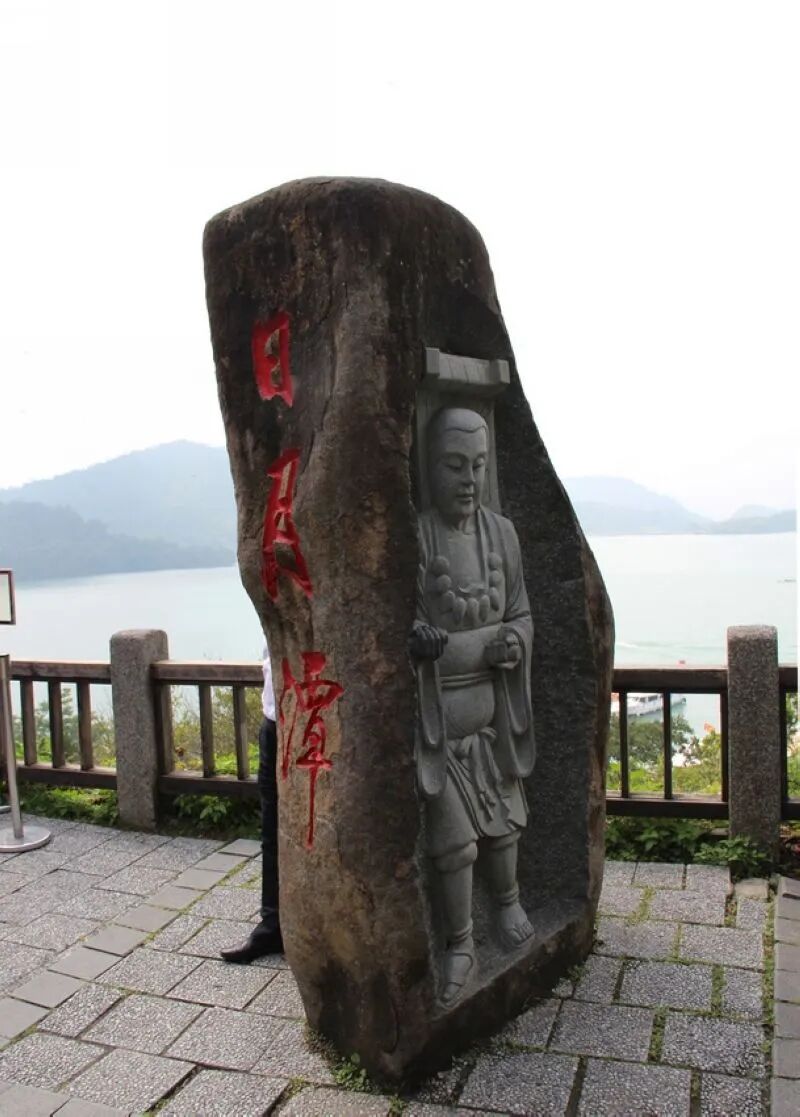
Right in front of Xuanguang Temple, there’s a stone monument that’s taller than a person. If you stand facing it, you’ll see three giant characters carved vertically: “Sun Moon Lake.” This is THE spot for photos, trust me!
From up here, you get a bird’s-eye view, overlooking the entire Sun Moon Lake. Absolutely stunning!
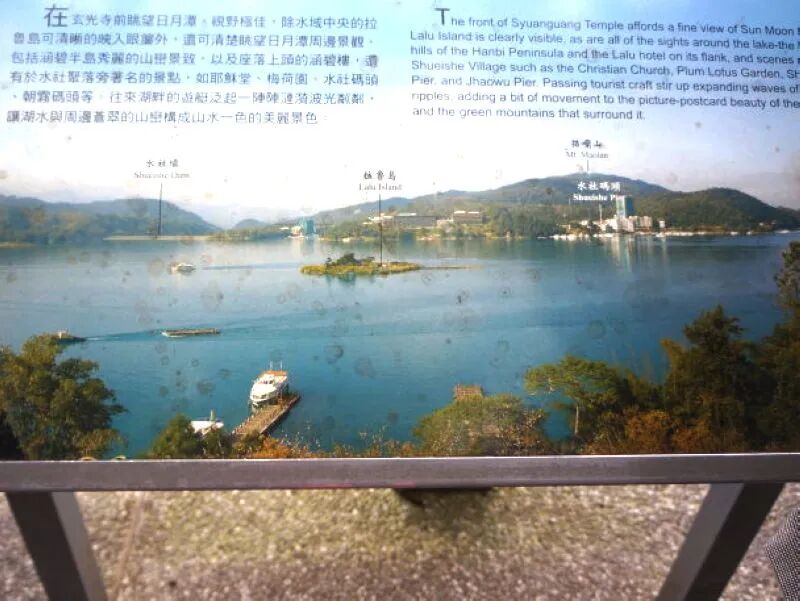
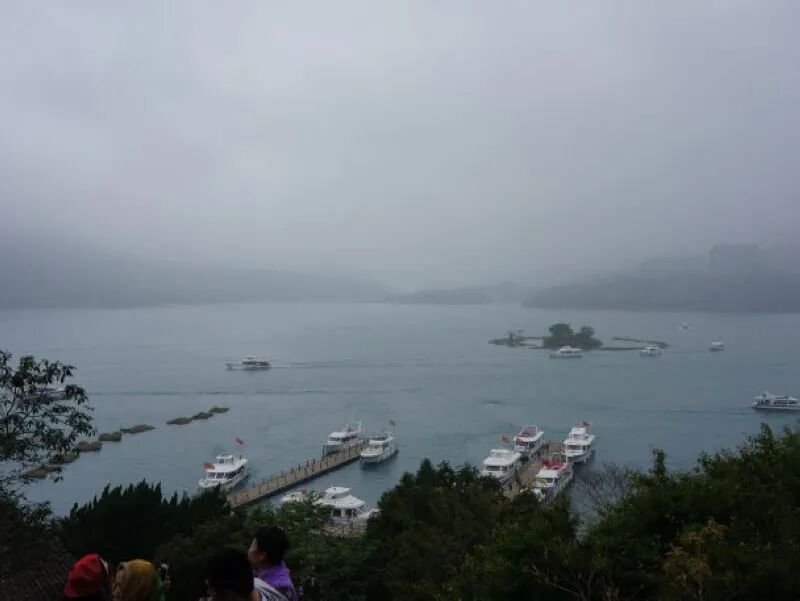
The courtyard at Xuanguang Temple might seem small, but it’s still very much an active place of worship. Beyond the Xuanzang stone sculpture in the front courtyard, there’s another stone at the back inscribed with “Thousand Autumn Journey,” which perfectly sums up Xuanzang’s epic trek to the West.
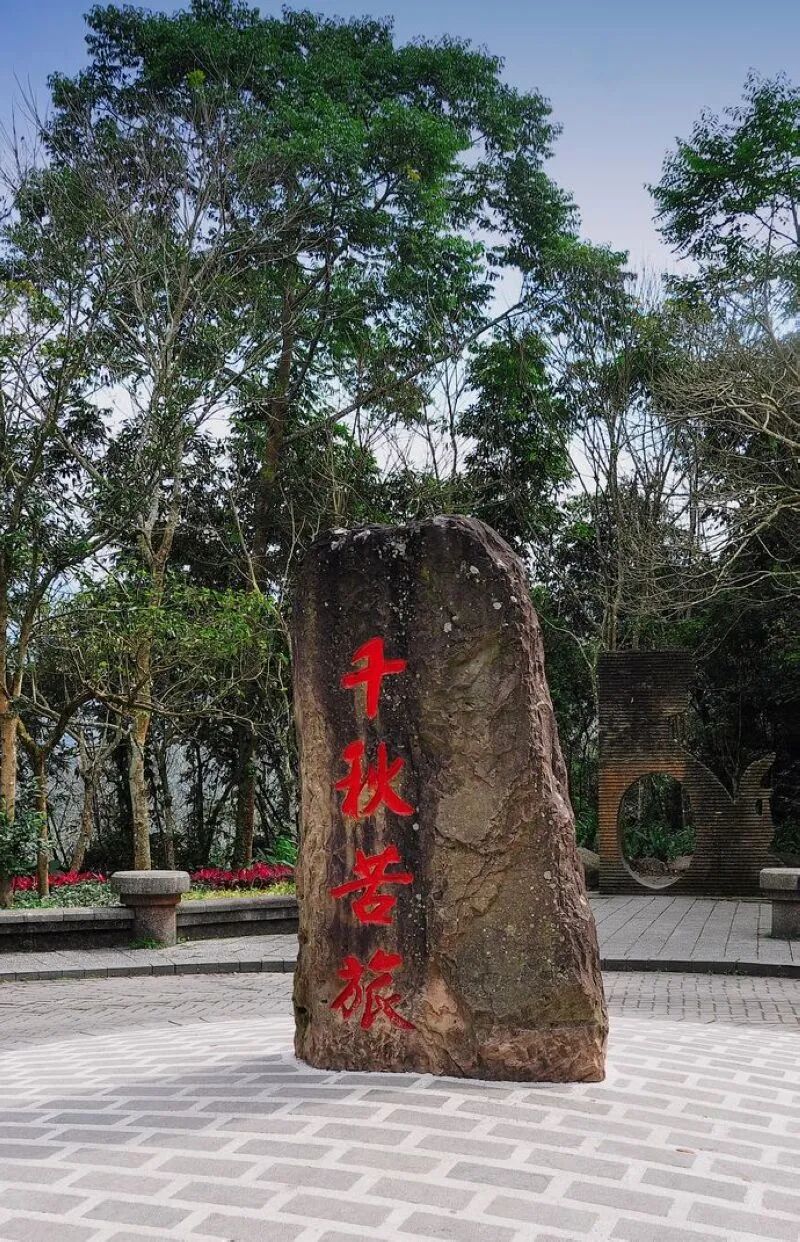
From behind Xuanguang Temple, the Qinglong Mountain Trail leads straight up to Xuanzang Temple. Let’s do this!
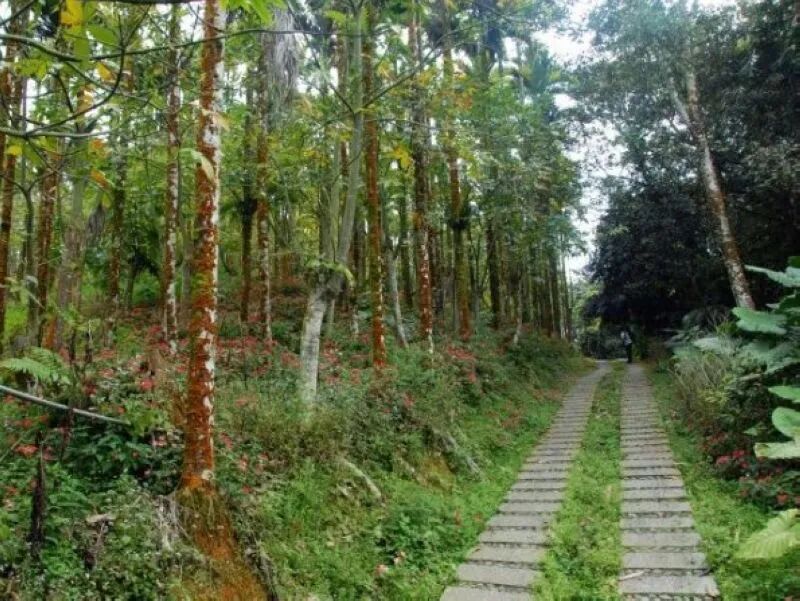
Even though the Qinglong Mountain Trail is only 0.5 miles (800 meters) one way and sits at an elevation of 2,625 feet (800 meters), it’s all uphill and downhill, so it’s a pretty decent workout. And then you hit that super steep section at the end! Phew!
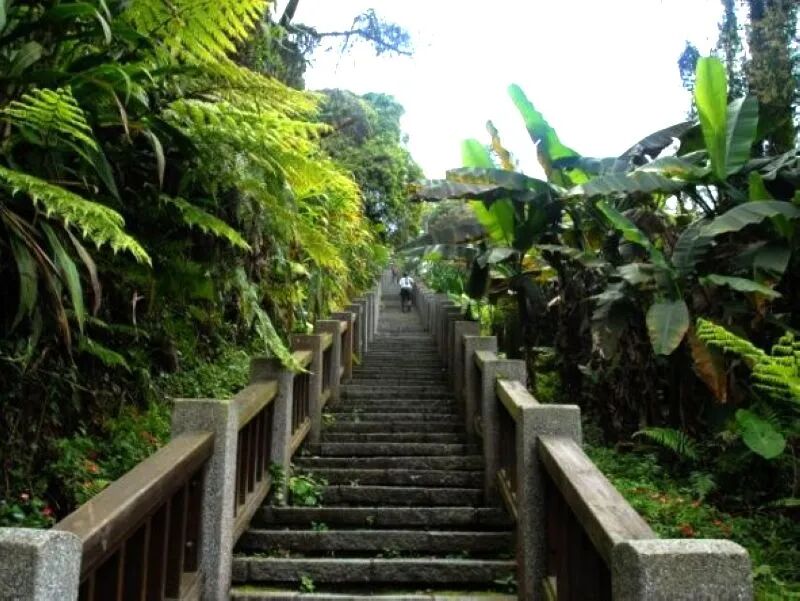
Below the Xuanzang Temple archway, you’ll find two white elephants flanking a painting of “Master Xuanzang’s Journey to the Western Regions.” It’s a grand welcome!
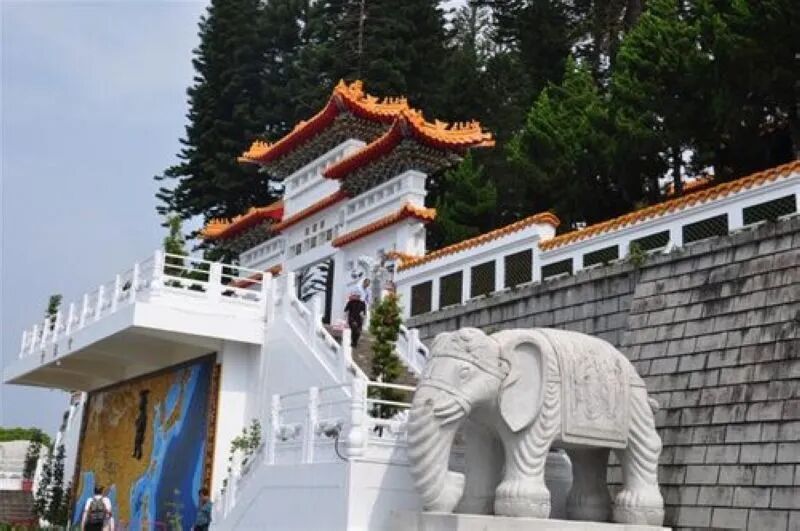
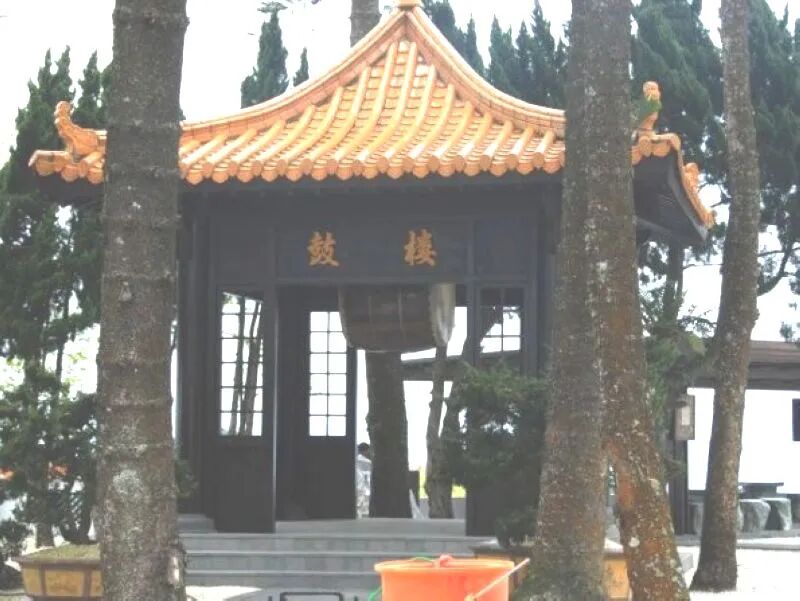
Here’s the drum tower!
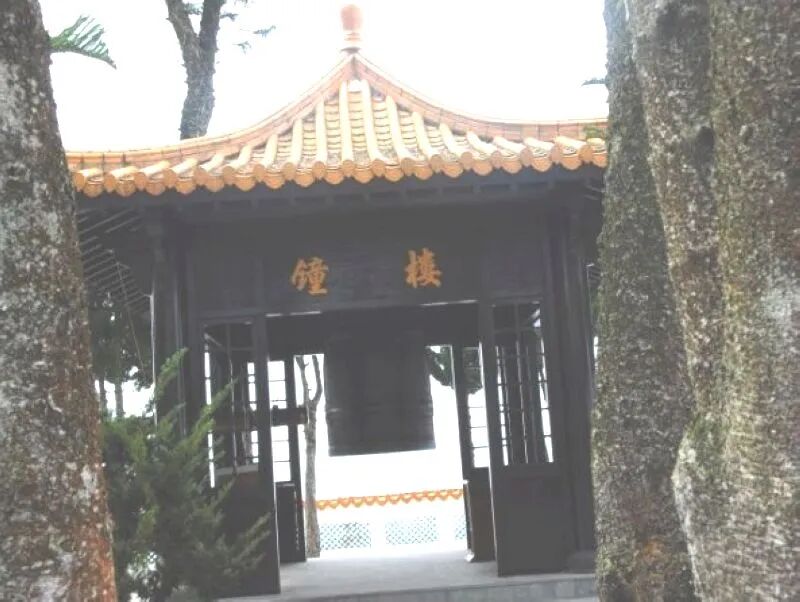
And the bell tower!
Once you climb to the temple’s foundation, you’re greeted by Xuanzang Temple itself, an elegant and simple Tang Dynasty-style building that faces the picturesque Sun Moon Lake. It’s devoid of the usual flashy temple decorations, with an interior that’s gracefully arranged, exuding a sacred and solemn atmosphere.
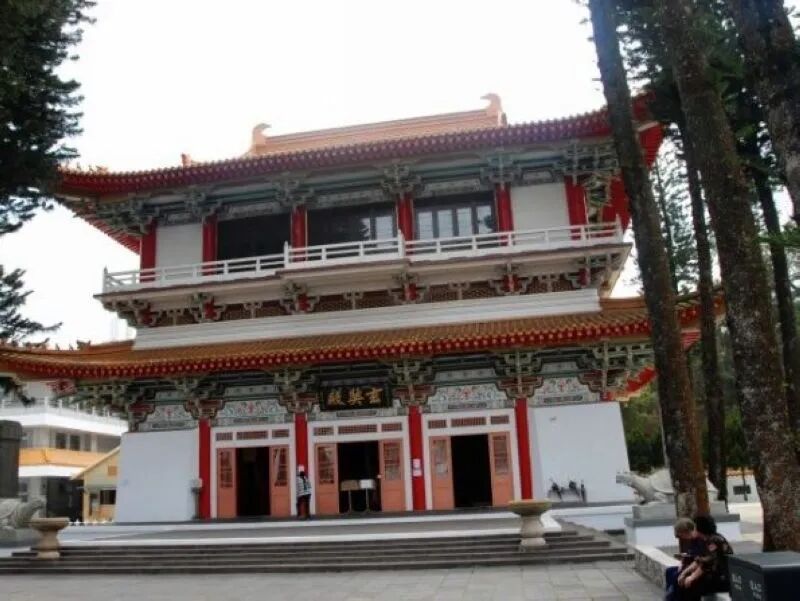
Xuanzang Temple has three levels. The main hall on the first floor blends Chinese and Western architectural elements but still maintains that welcoming feel of a Buddhist temple. Above the main entrance, a plaque proudly displays “Xuanzang Hall.” Inside, a statue of Master Xuanzang carrying his scriptures takes center stage, and above it hangs a plaque inscribed “National Treasure,” personally written by Generalissimo Chiang Kai-shek. Pretty impressive, right?
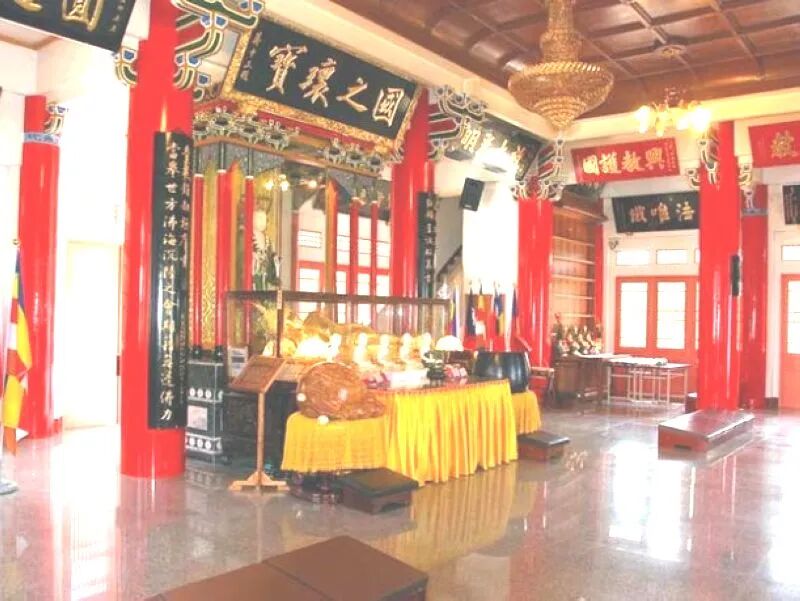
The second floor is the main hall, dedicated to venerating Master Xuanzang’s Buddhist altar. The yellow incense burner in front totally adds to the Buddhist vibe, and the麒麟 (qílín, mythical beasts) on either side look super devout.
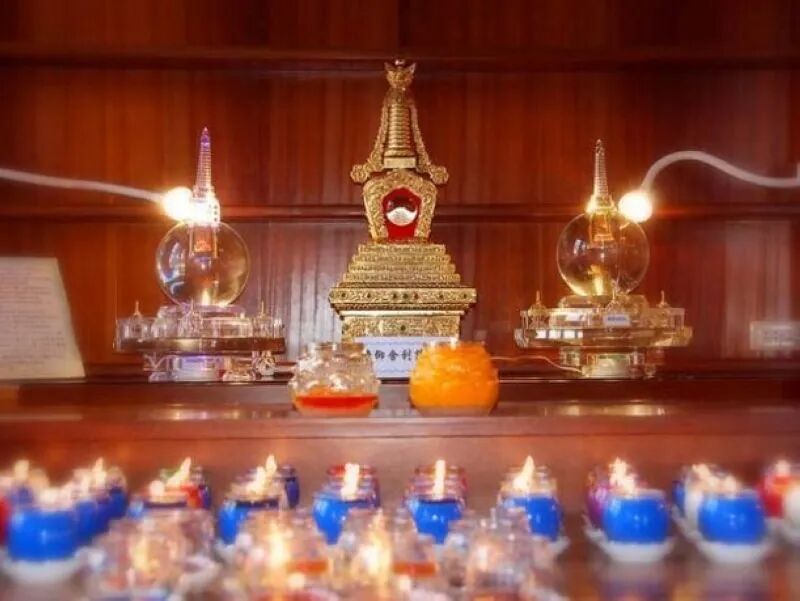
On the third floor of Xuanzang Hall, there’s a small pagoda called “Xuanzang Pagoda,” which houses the skull relic of Master Xuanzang himself. This floor also serves as a crucial repository for the temple’s classic scriptures. Truly a treasure trove of Buddhist history!
Our group’s meeting time was creeping up, so I practically flew down the mountain. Luckily, I wasn’t the last one back on the boat!
Next up was a visit to the indigenous Thao tribe. The Thao primarily live in Sun Moon Village, right by the lake. Historically, their lifestyle revolved around hunting, fishing, farming, and foraging in the mountains, with their core religious belief centered on ancestral spirits. The Thao were once the most powerful ethnic group in the Shuishalian region, but after the 921 earthquake, their population dramatically decreased from several thousand to around 300, making them Taiwan’s smallest indigenous group. It’s a poignant reminder of their resilience.
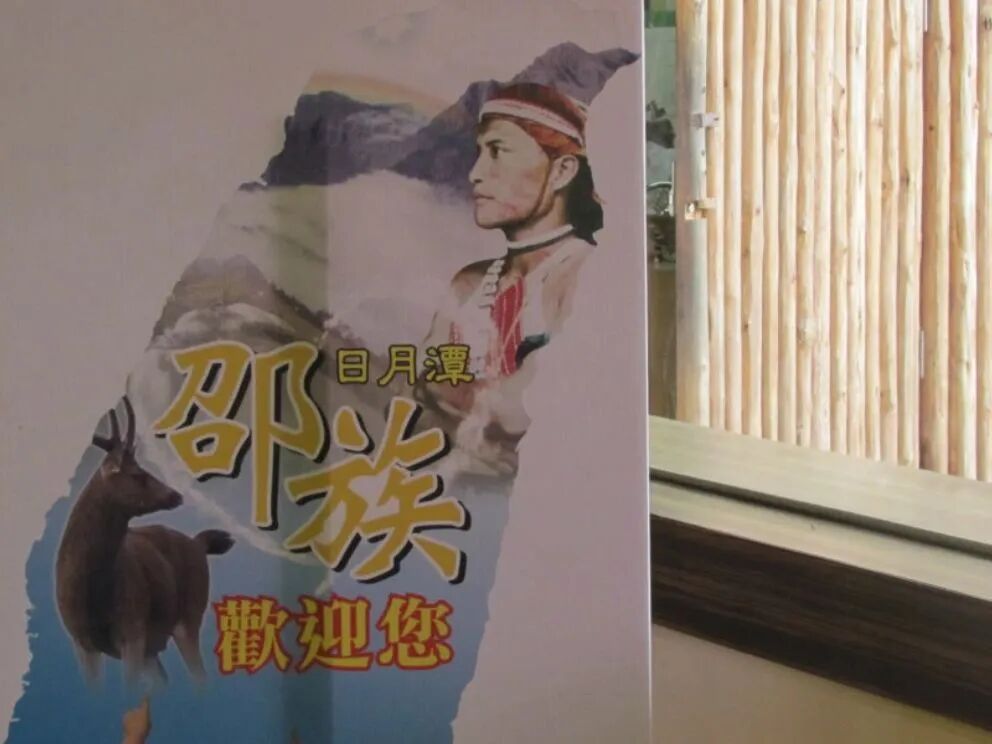
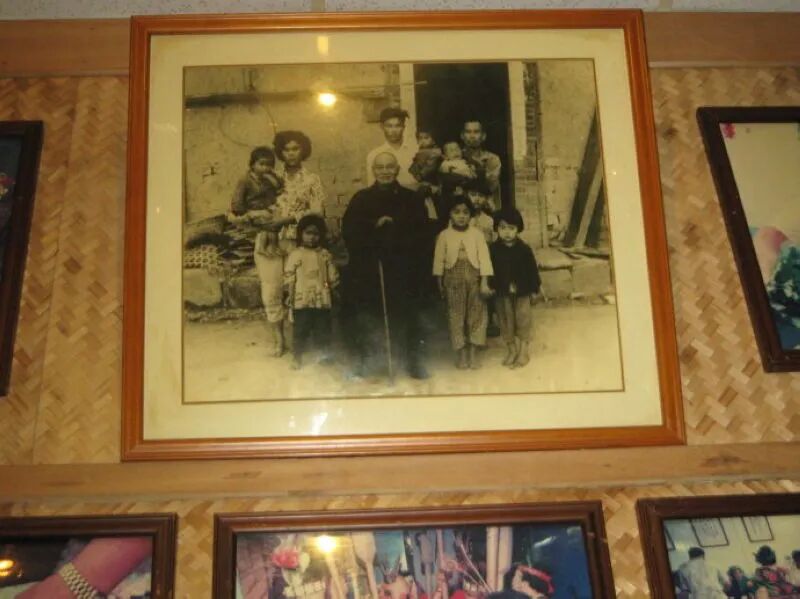
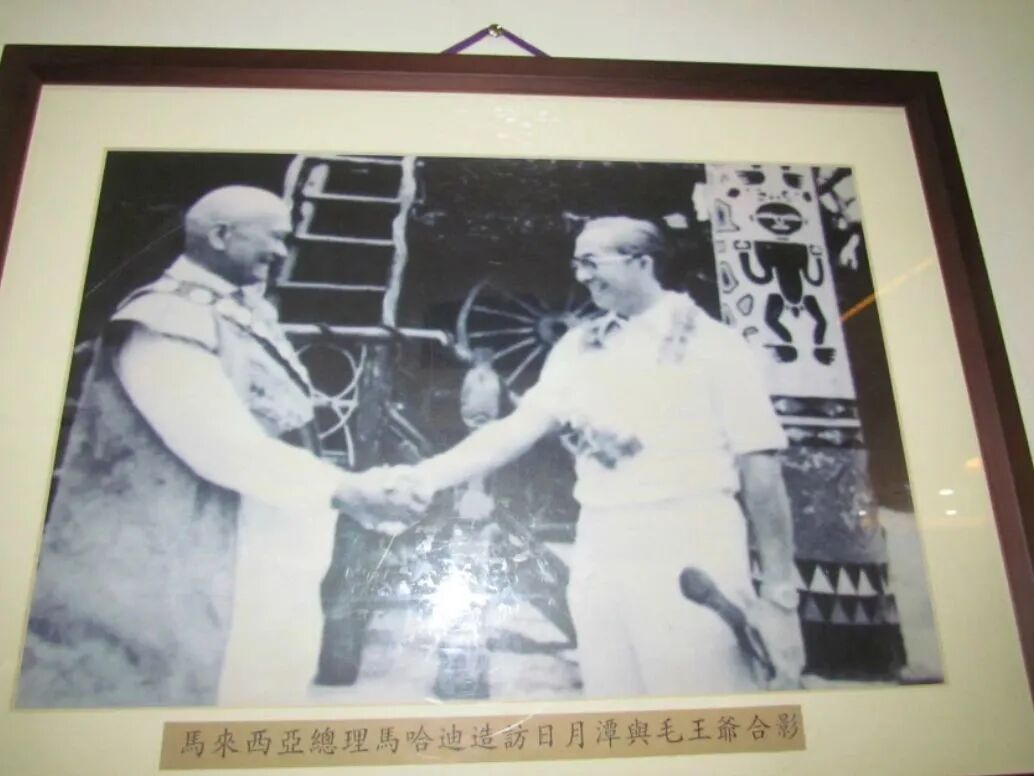
Get this: their chieftain didn’t even have a surname until Chiang Kai-shek gave him the surname “Mao” after he reportedly cured Soong Mei-ling’s illness. How’s that for a historical tidbit?
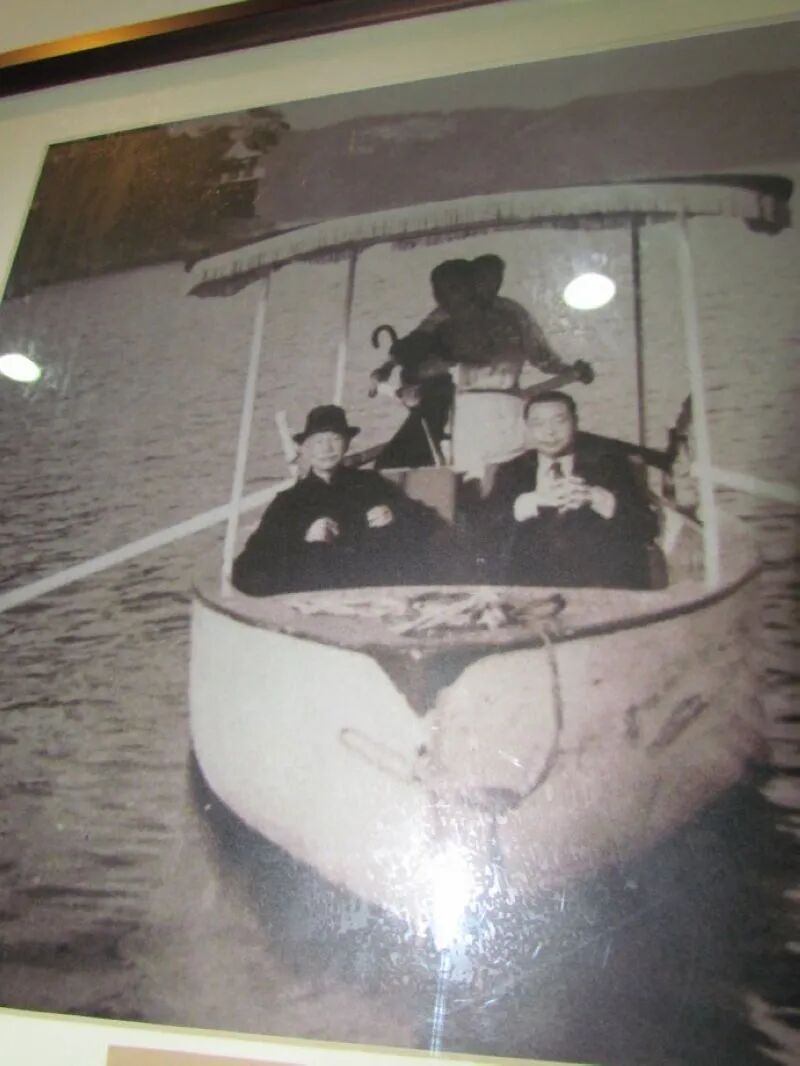
Here’s a photo of Chiang Kai-shek with the entire family of King Mao.
We even got to meet the young prince of the Thao tribe here, though photos weren’t allowed. Respect the rules!
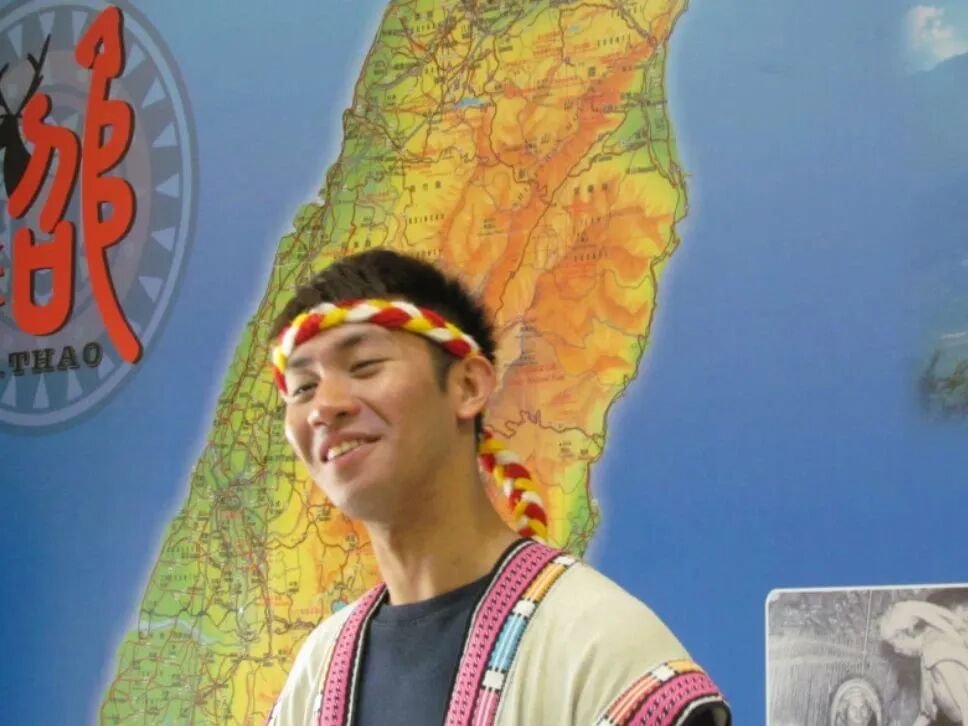
Posing for a pic with the Thao youth!

King Mao with the Prime Minister of Malaysia – talk about rubbing shoulders with VIPs!
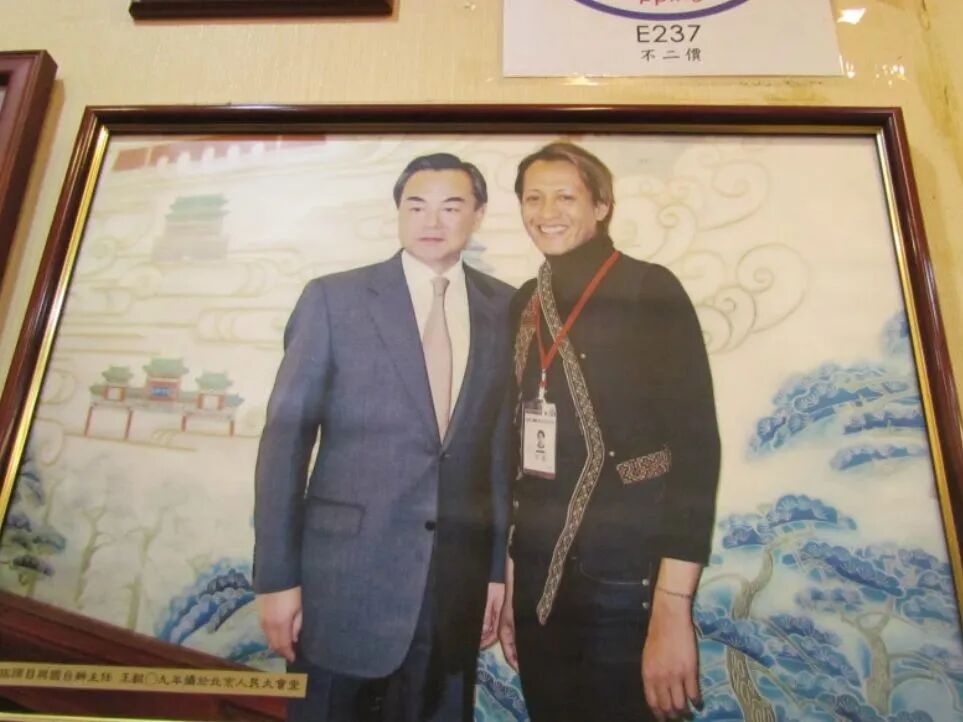
And here’s the current King Mao with Wang Yi, Director of the Taiwan Affairs Office.
The Thao youth put on an amazing song and dance performance for us.
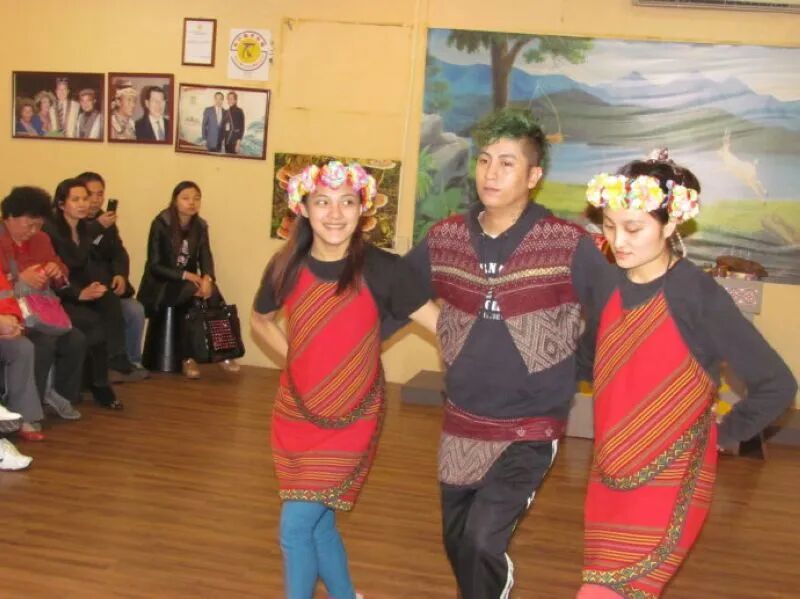
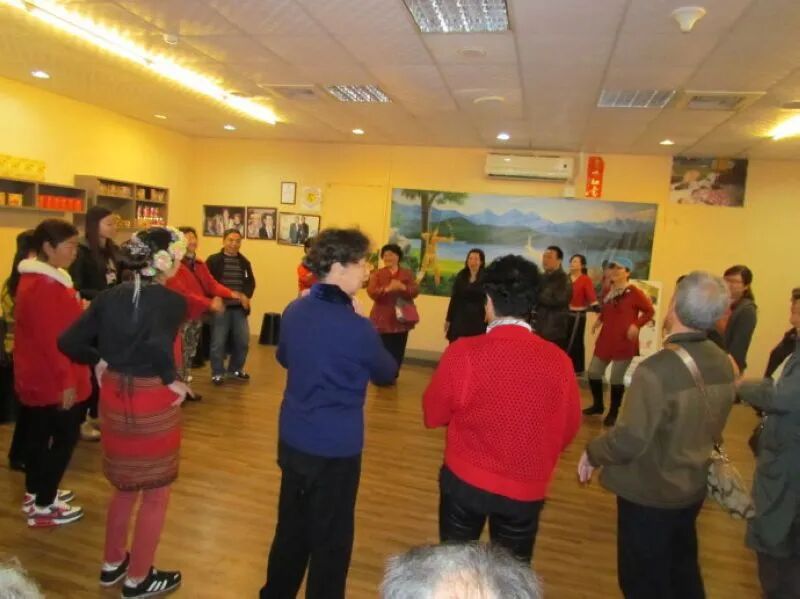
And then we all got to join in the dancing! So much fun!
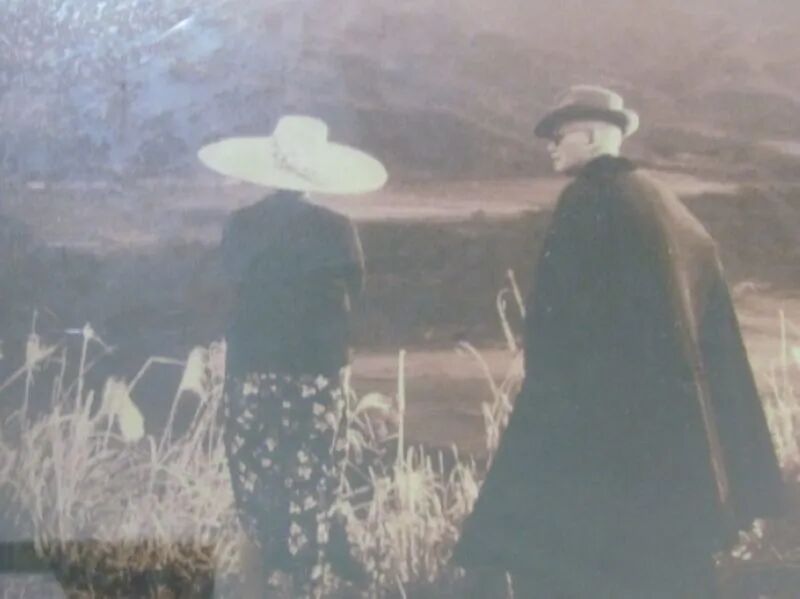
They had some really cool historical photos on display here.
Time for some grub!
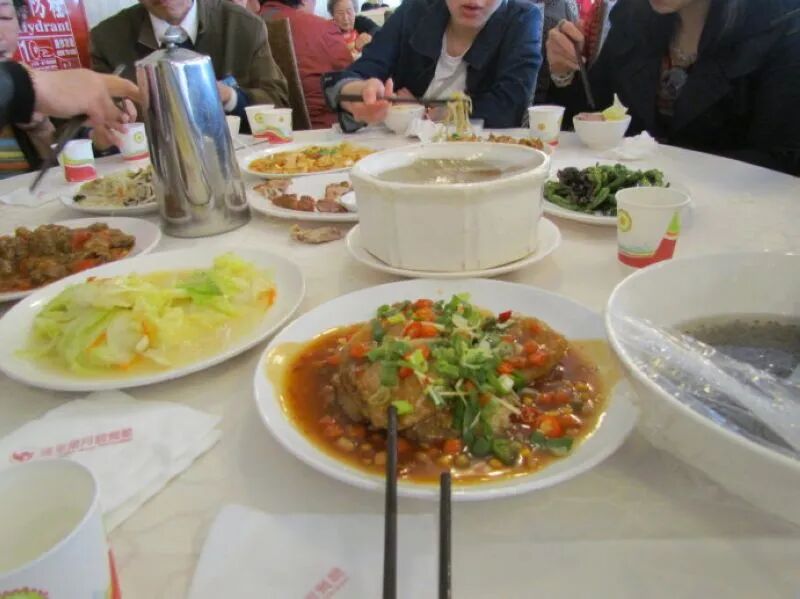
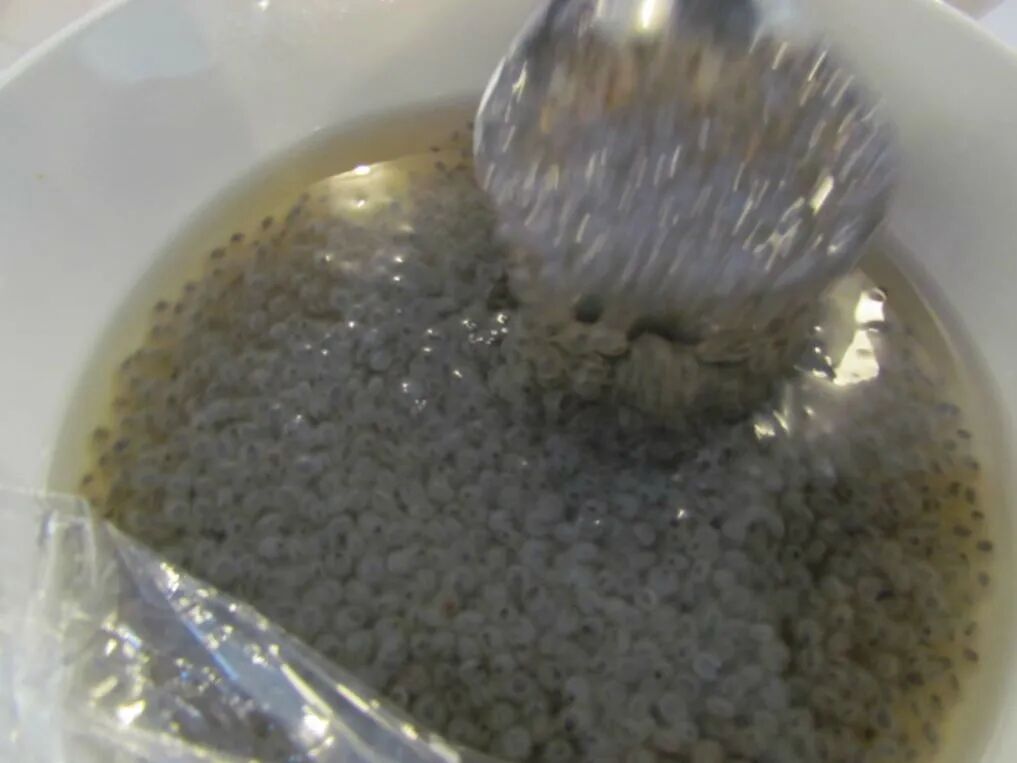
Okay, so this “frog egg” dessert? It’s called Shānfěnyuán here, and it’s basically tiny, sesame-sized seeds that puff up into these adorable, translucent “frog eggs” when you add water. And trust me, they taste way better than they sound – super refreshing and absolutely delicious!
Final Thoughts: Honestly, when it comes to sheer natural drama, Sun Moon Lake might not blow every single inland lake out of the water compared to some of the epic ones on the mainland. But what it *does* have is absolutely top-tier water quality – seriously, only a few like Lugu Lake or Yamdrok Lake can even compare. You know, some folks in Taiwan scratch their heads a bit, wondering why Sun Moon Lake and Alishan are such huge draws for mainland visitors. My take? These places aren’t just pretty; they’re etched into the collective memory, especially from a time when cross-strait connections were few and far between. They represent a classic, almost nostalgic, vision of Taiwan that’s been passed down through stories and, yes, even those beloved old folk songs. It’s more than just a lake; it’s a piece of history, a cultural touchstone that makes it feel like coming home for many.
More Stories
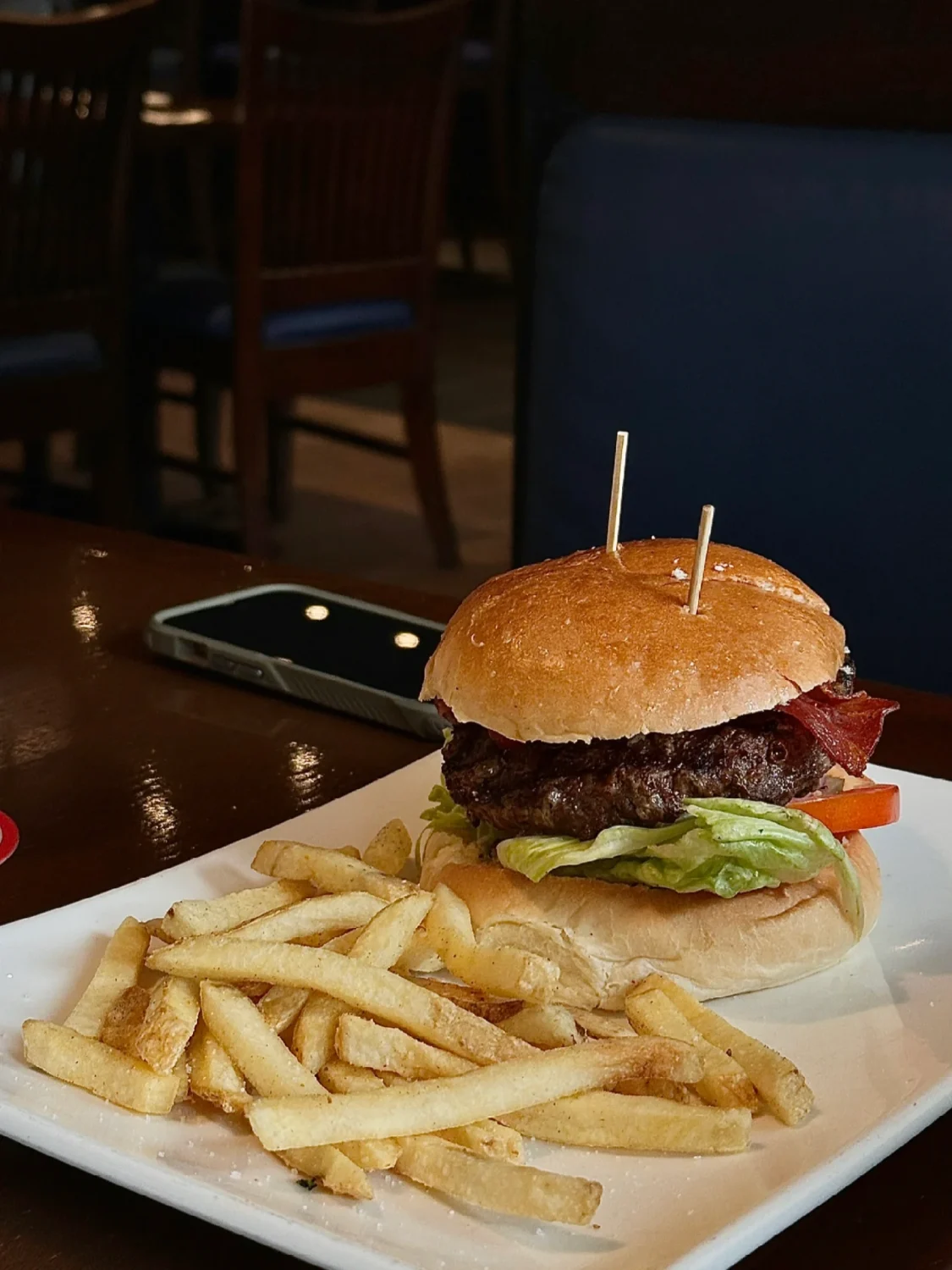
That Classic American Vibe: My Latest TGI FRIDAYS Obsession in Taichung 🍔✨
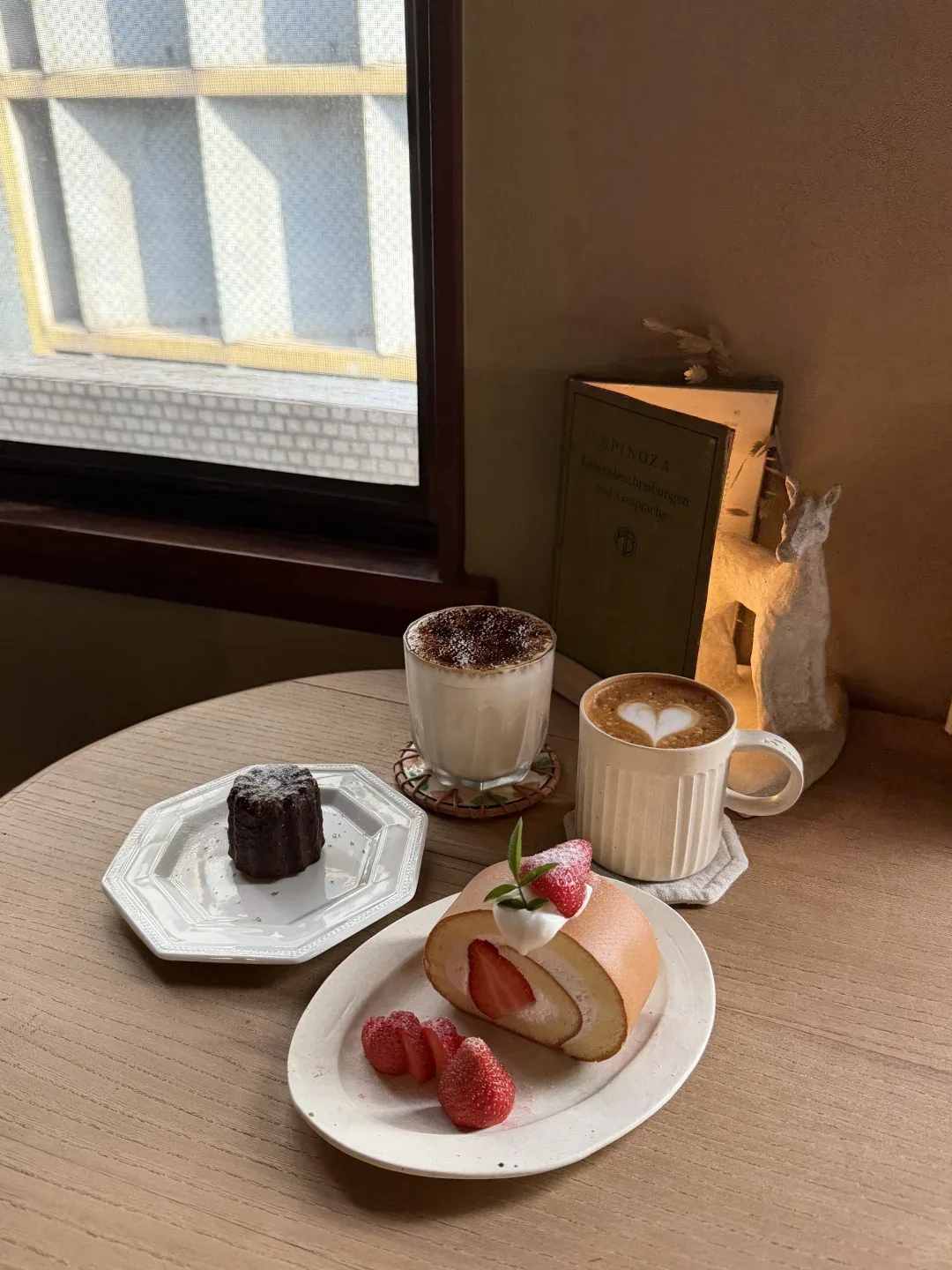
Hidden Gems & Golden Hour Vibes: Why This 5th-Floor Taichung Cafe is My New Obsession ☕️🍂
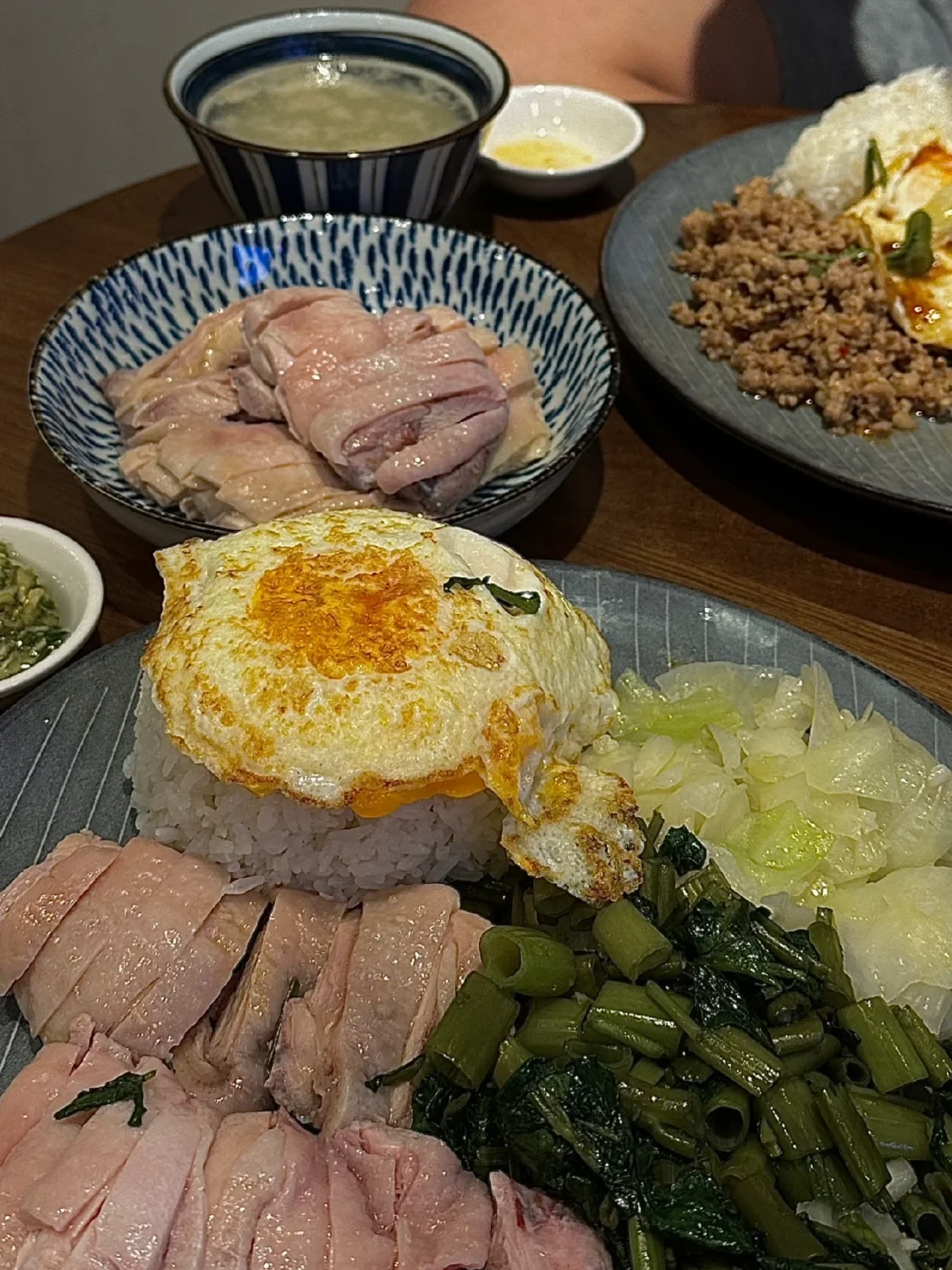
Is This Taichung’s Best Hainanese Chicken Rice? (Spoiler: Yes, It Is! 🍗)