Alright, fellow adventurers, buckle up because today we’re diving deep into one of Taiwan’s absolute coolest natural masterpieces: Yehliu Geopark! This place isn’t just a park; it’s a geological art gallery, sculpted by Mother Nature herself over millions of years.
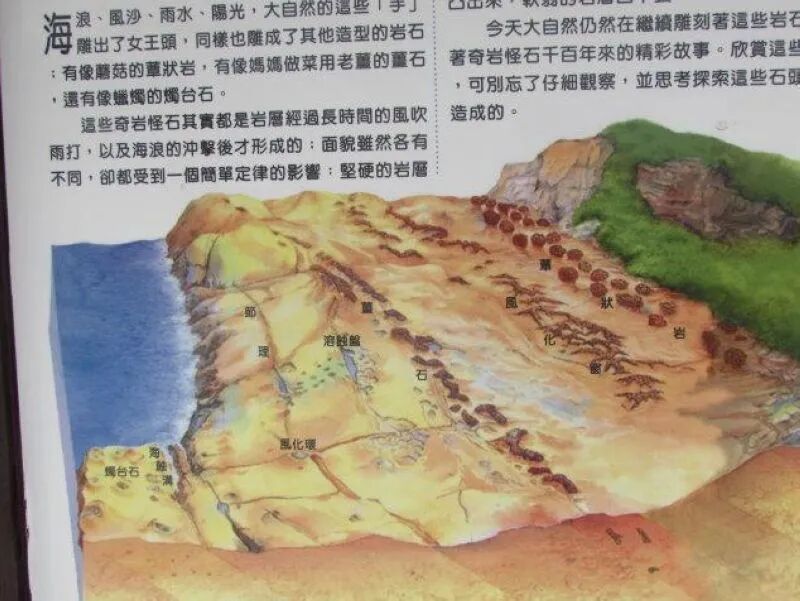
Nestled about 15 kilometers northwest of Keelung City, Yehliu is this incredible cape that juts out into the ocean, stretching about 1700 meters long but only 250 meters wide. From a distance, it totally looks like a giant sea turtle slowly making its way off the shore, head held high, back arched. No wonder some folks call it the “Yehliu Turtle”! Fun fact: Taiwan was actually underwater over 20 million years ago. All that mud and sand washing down from Fujian piled up layer by layer, forming these sandstone beds. Then, about 6 million years ago, a massive mountain-building event pushed these rock layers right out of the sea, creating the island of Taiwan, and Yehliu was part of that epic transformation. When the earth’s crust got all squeezed up, it created two fault lines on either side of Yehliu. These fault zones were super fragile and eroded easily, forming the bays, leaving the tougher middle part sticking out as the cape. And then, over eons, the relentless waves, rain, and wind, combined with the continuous uplift of the land, carved out the mind-boggling rock formations you see today.
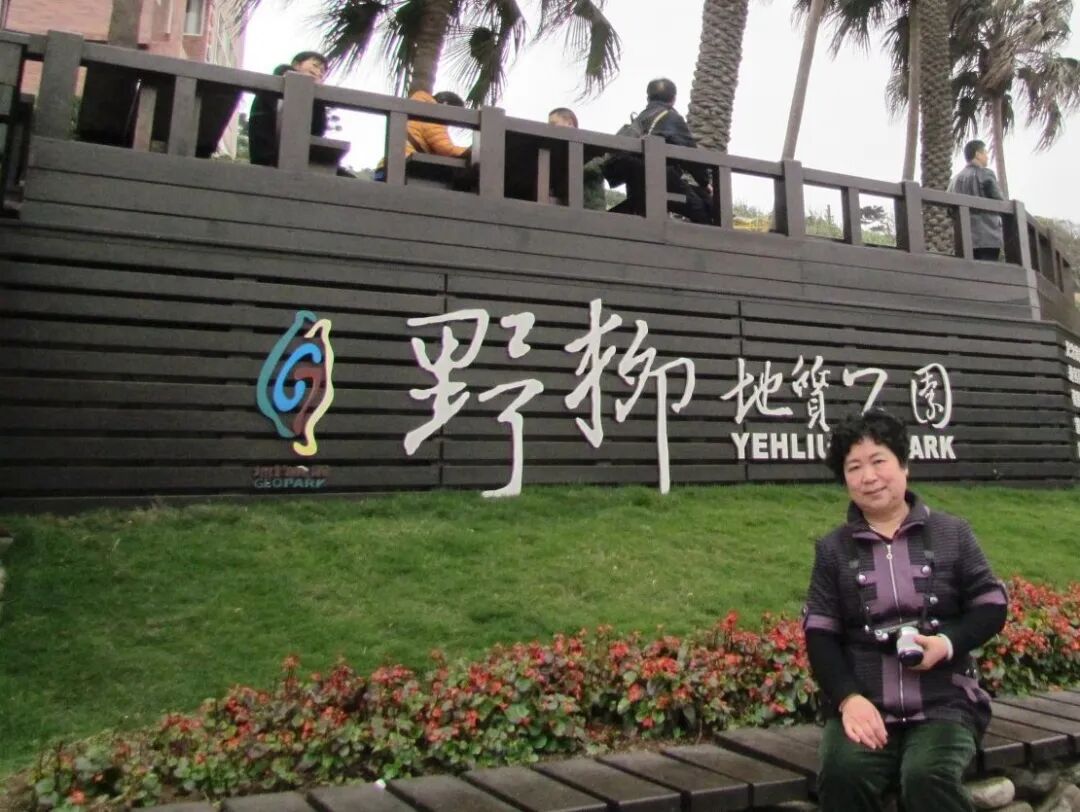
And get this: back in 2005, a major event by China National Geographic, supported by 34 media outlets, named Yehliu one of “China’s Most Beautiful Coasts.” Pretty prestigious, right?
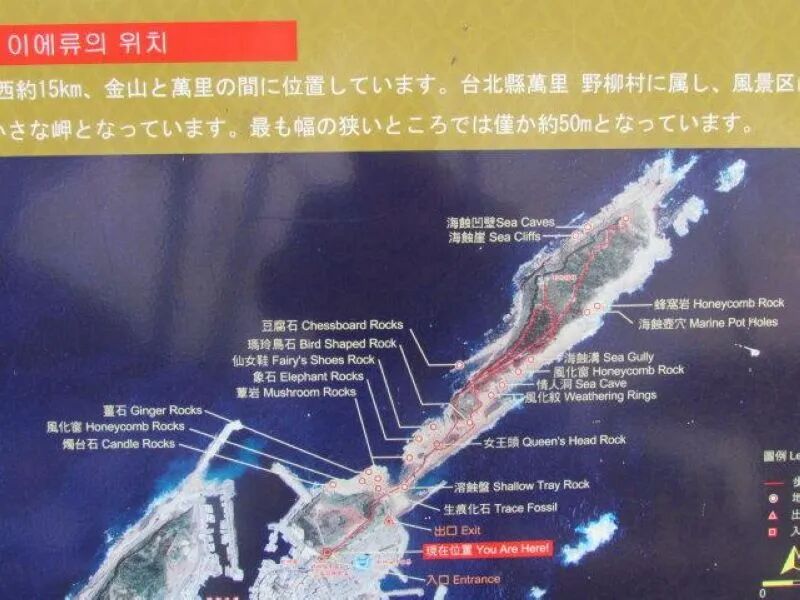
Here’s a look at the park map, just so you know what we’re getting into!
Right as you walk through the entrance, you’re greeted by a whole lineup of adorable little cartoon figures. Each one represents a famous rock formation in the park – how cute is that?
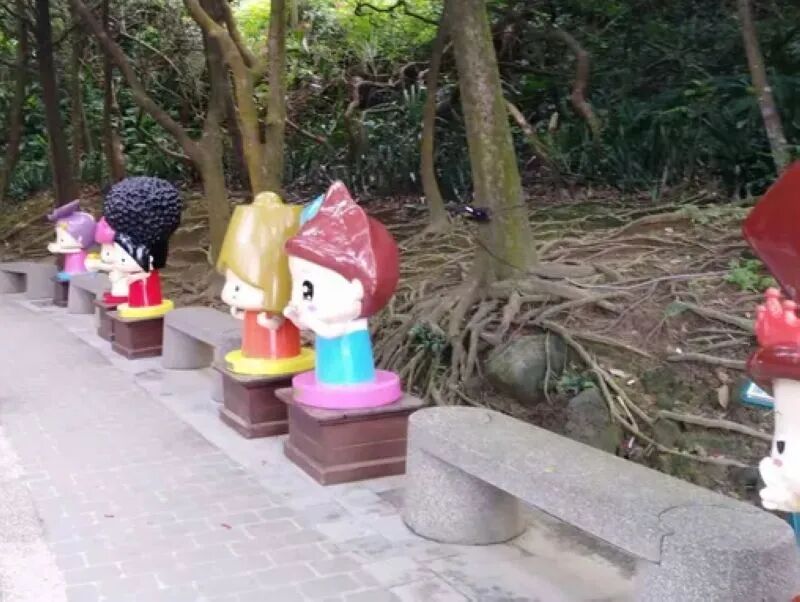
Here’s the Ice Cream Rock cartoon – definitely makes you want a scoop!
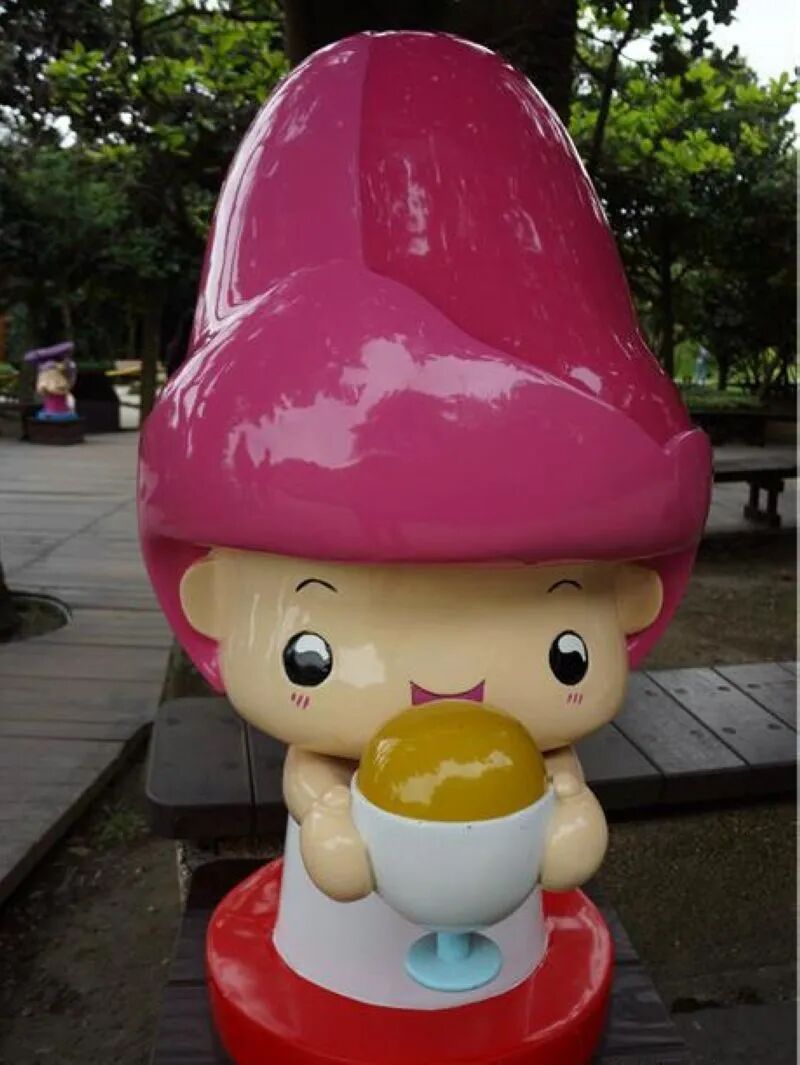
And the Honeycomb Rock cartoon, looking all textured and cool.
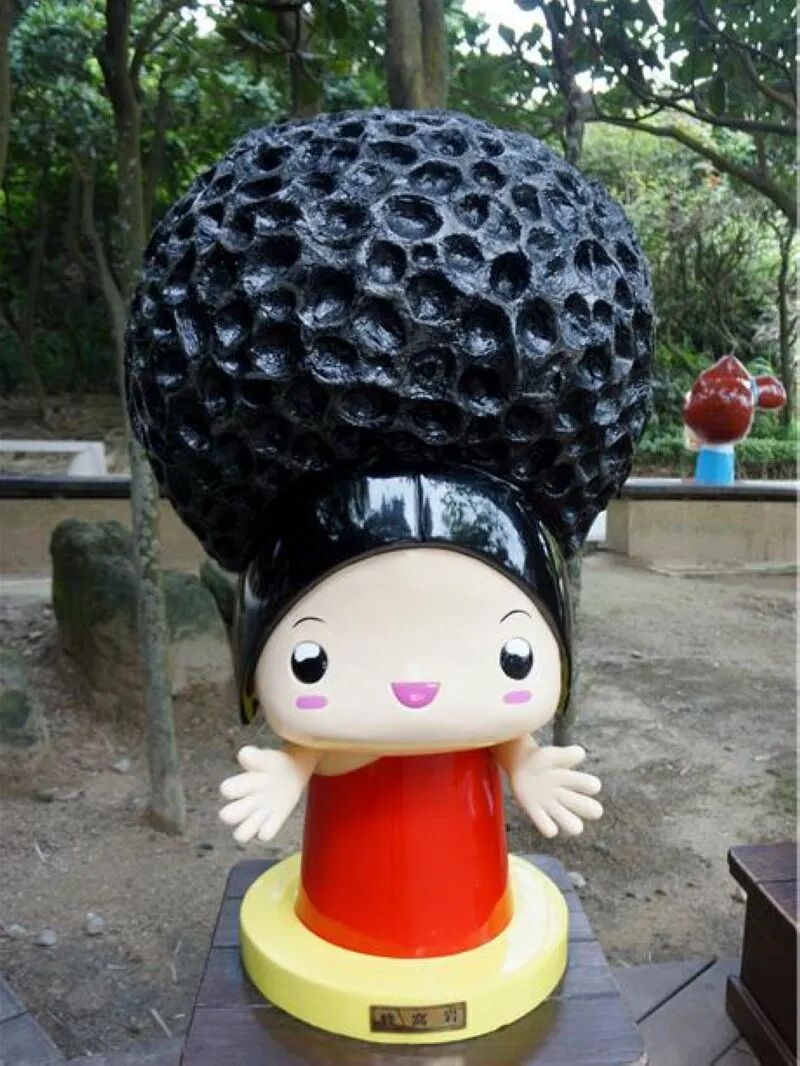
The Marline Bird cartoon – ready for flight!
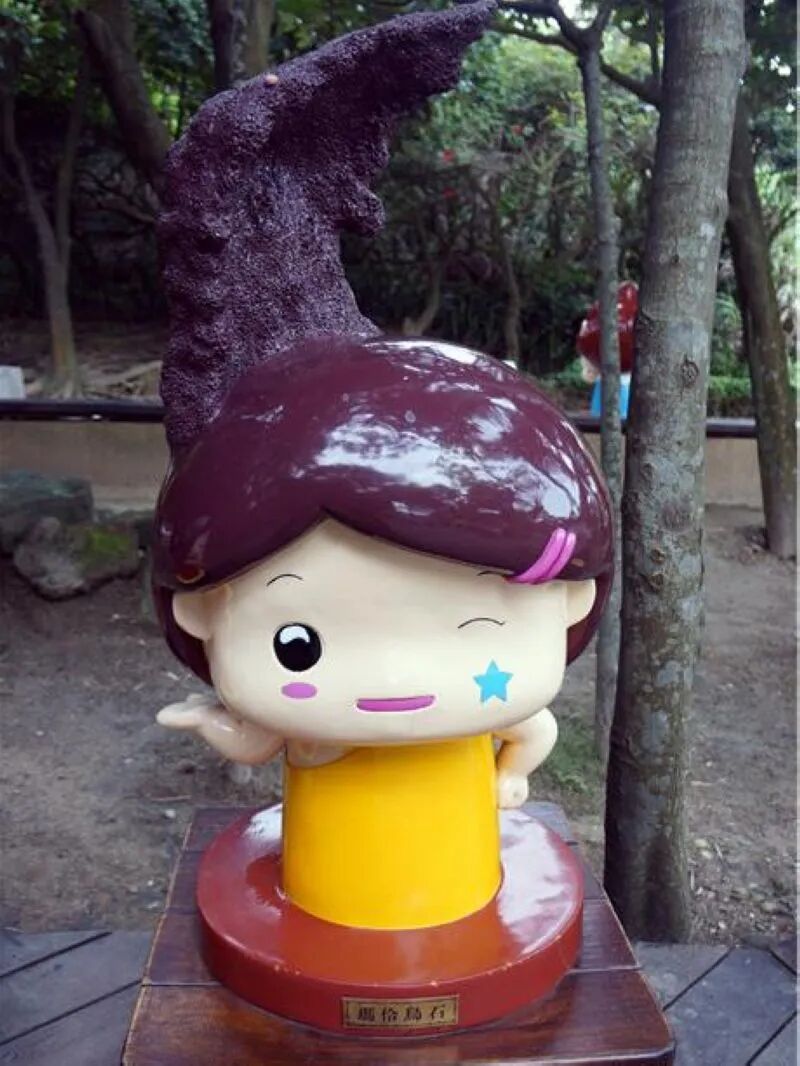
Of course, we can’t forget the iconic Queen’s Head cartoon!
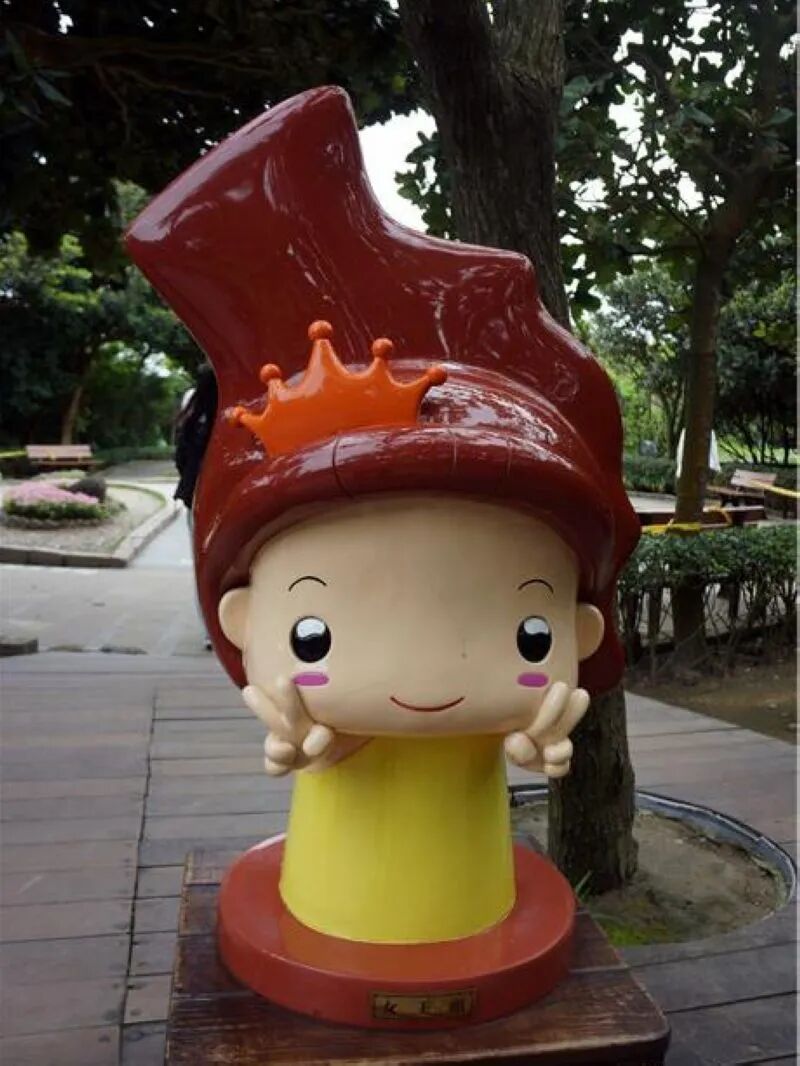
The Playful Princess cartoon, looking regal and whimsical.
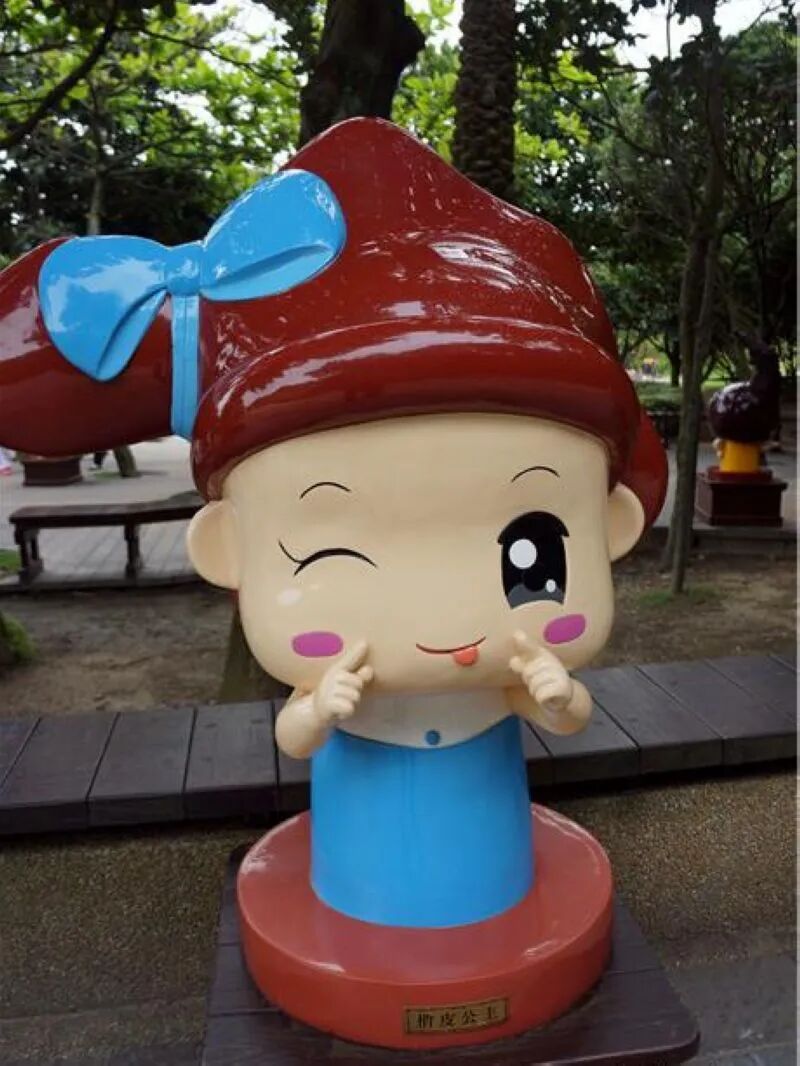
And the Fairy’s Shoe cartoon, super delicate and enchanting.
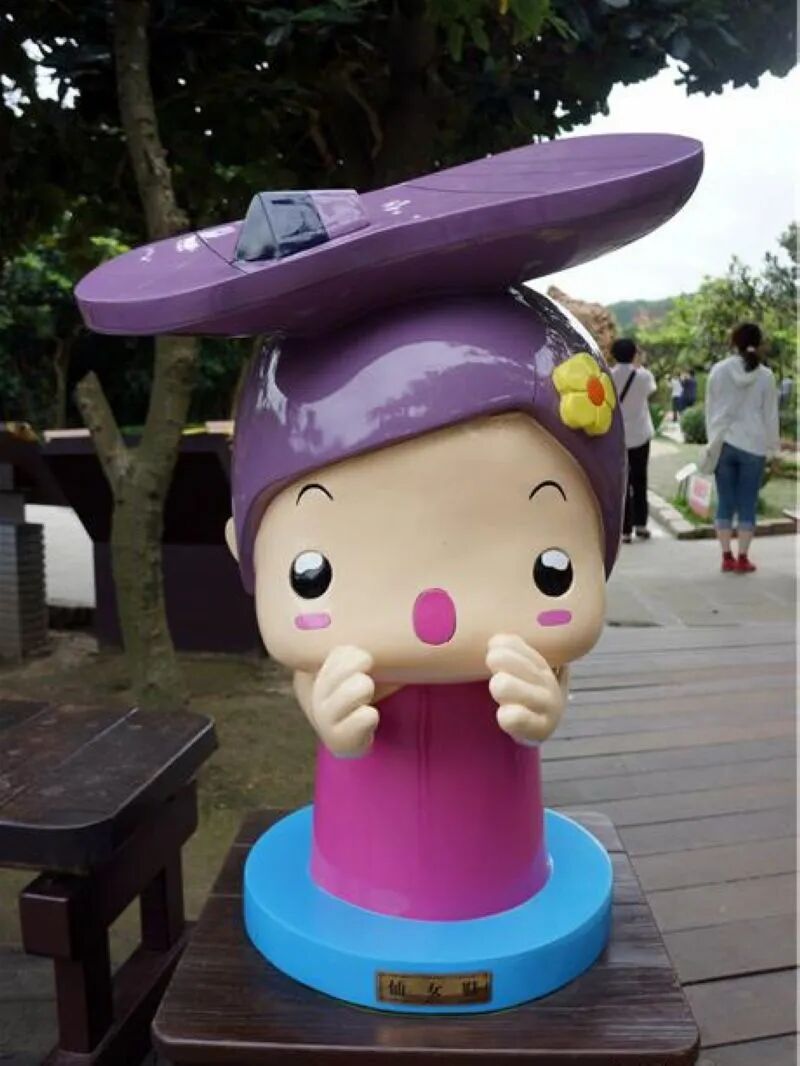
Last but not least, the Candlestick Rock cartoon – a true natural wonder.
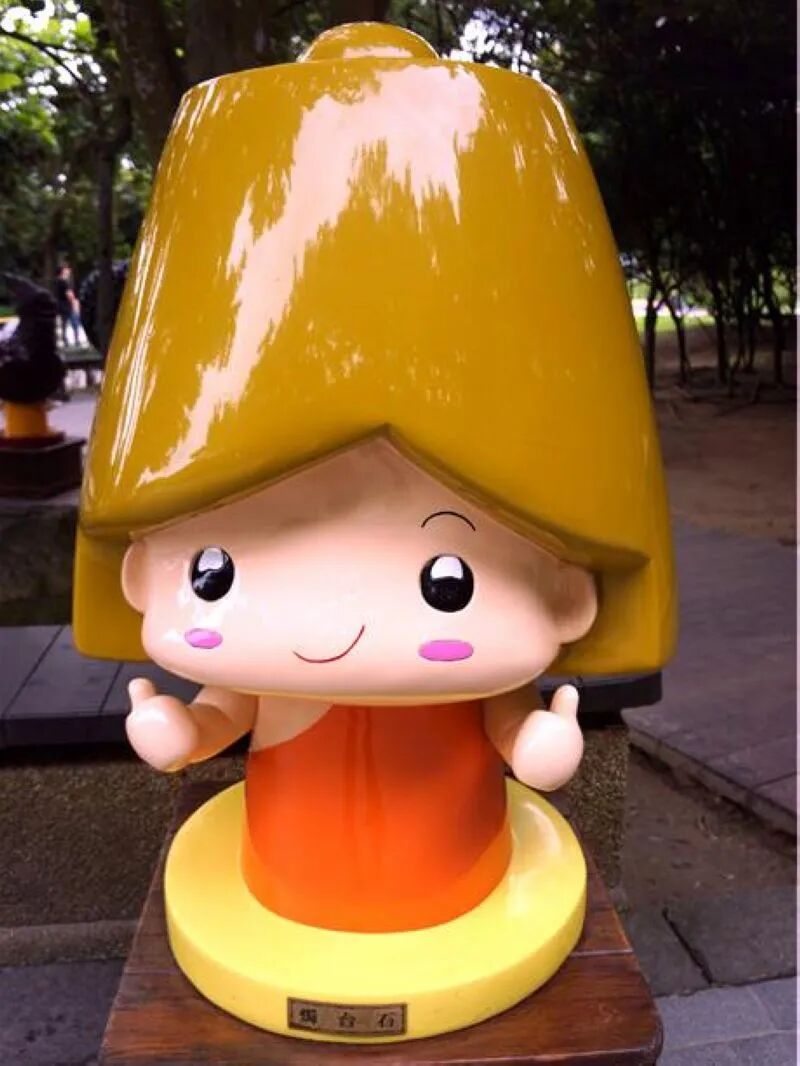
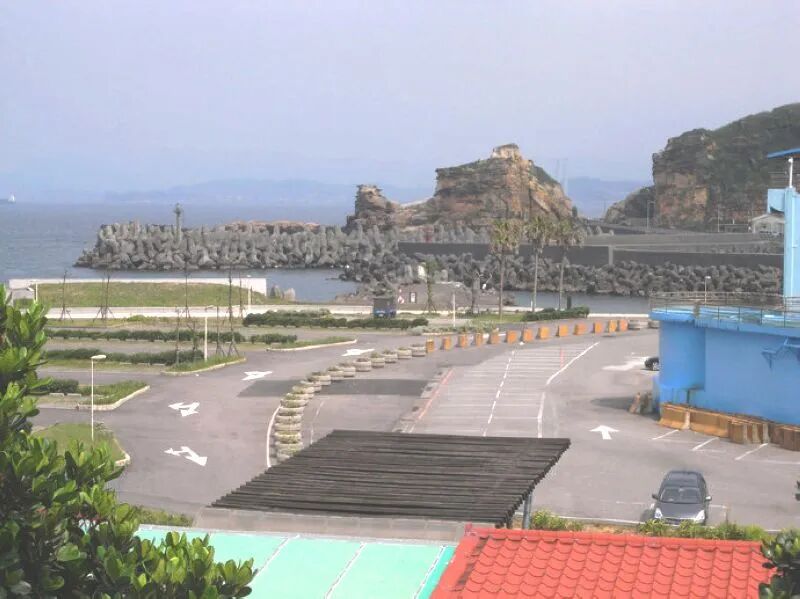
Looking southeast from Yehliu Geopark, right next to Dong’ao Fishing Harbor, there’s this weird rock that totally looks like a single-humped camel chilling out, facing Yehliu. Hence, the name “Camel Rock.” But honestly, sometimes I think it looks more like a giant snail taking a nap!
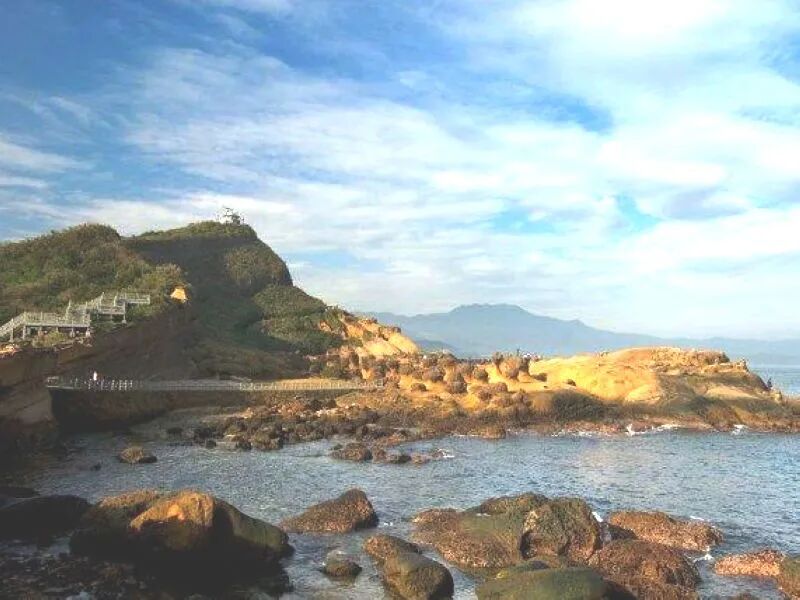
The area boasts two impressive monoclines, connected by a narrow wave-cut platform. To keep things straight, the monocline near the Geopark entrance is dubbed “Big Monocline.”
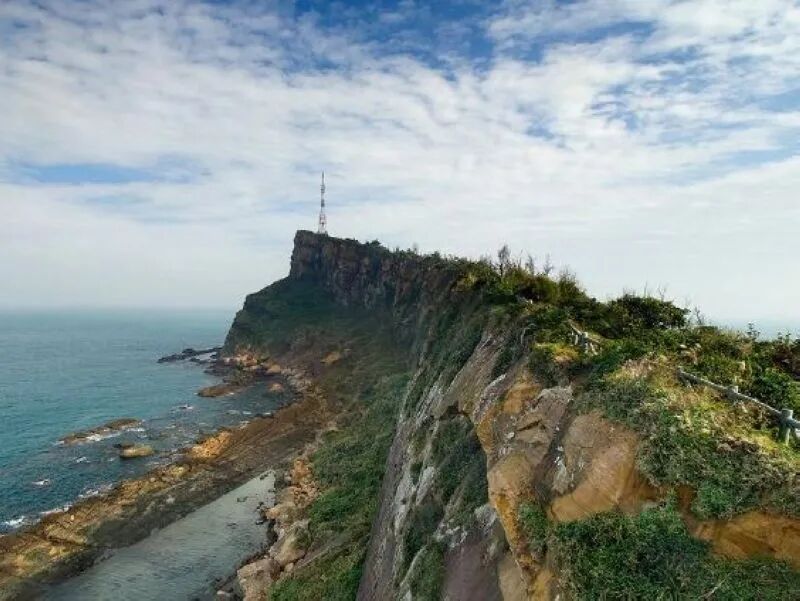
And the one at the very end of the cape, stretching out into the sea, is locally known as “Turtle Head Mountain.”
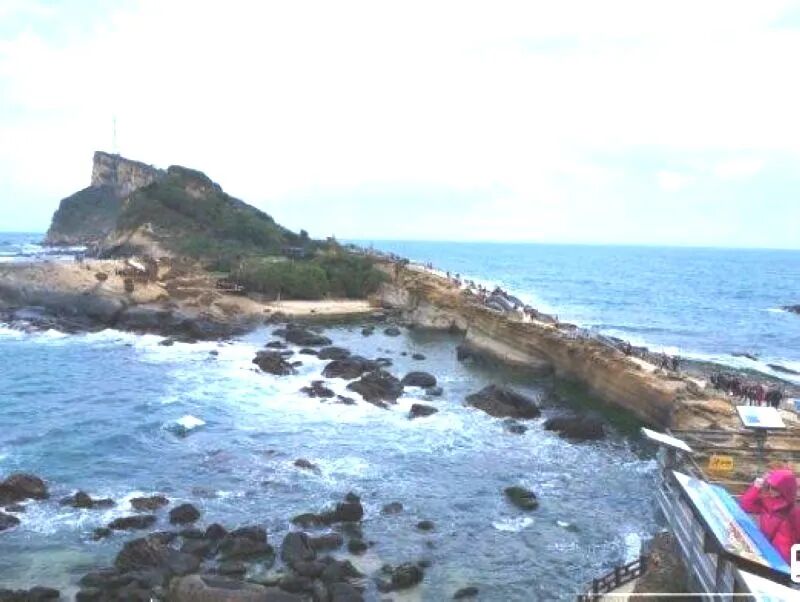
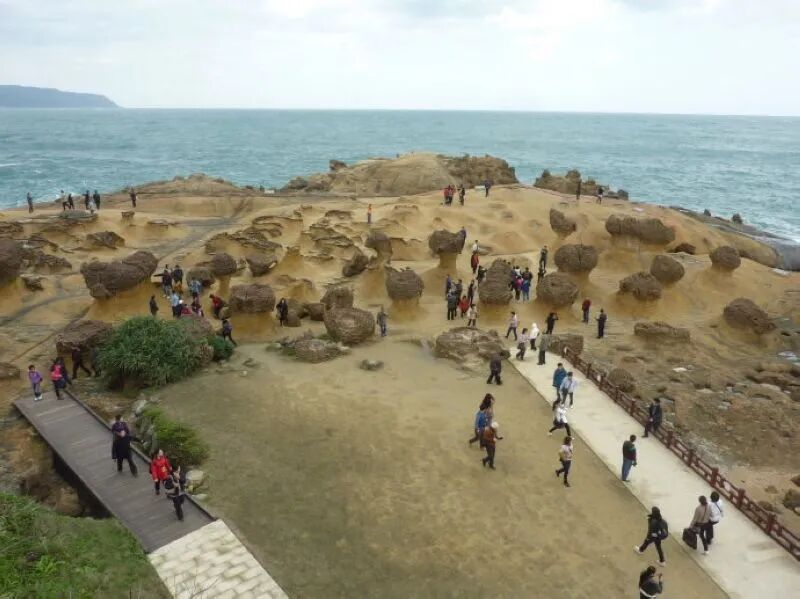
From the observation deck on Big Monocline, you can get an amazing panoramic view of the entire Yehliu Cape. Plus, if you look closely at the rock face, you’ll spot the layers of compression and distortion left behind by all that mountain-building action. And then, there are the Candlestick Rocks, Ginger Stones, and Mushroom Rocks, all neatly lined up on the wave-cut platform below.
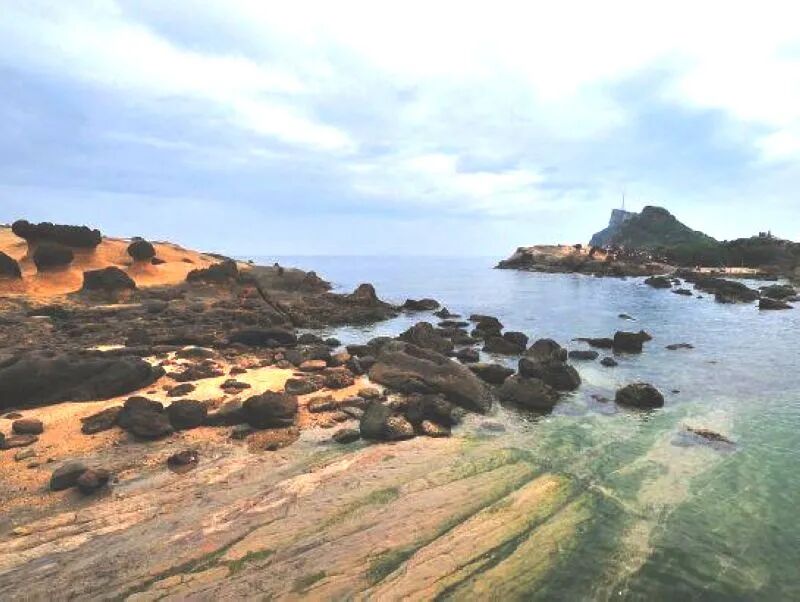
Area One is where you’ll find the wildest variety of these fantastic rock formations. It’s like a rock party!
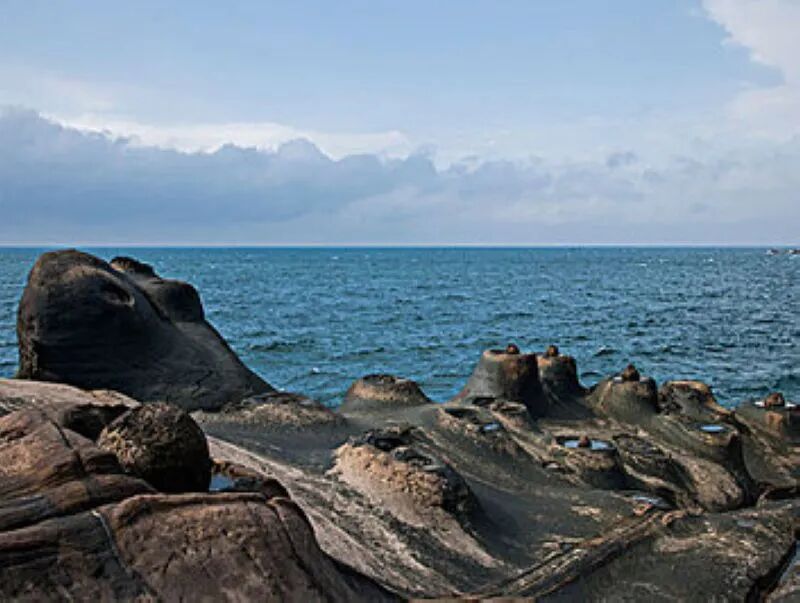
Candlestick Rocks are totally unique to Yehliu. While they might not be as famous as the Queen’s Head, their scientific significance is actually way higher. Why? Because they’re just so incredibly rare! These candlesticks look so real, like someone just placed them there, with their smooth, rounded lines and polished sides, all thanks to years of ocean waves and wind. But the coolest part? Each “candle” even has a “flame” on top! How crazy is that?!
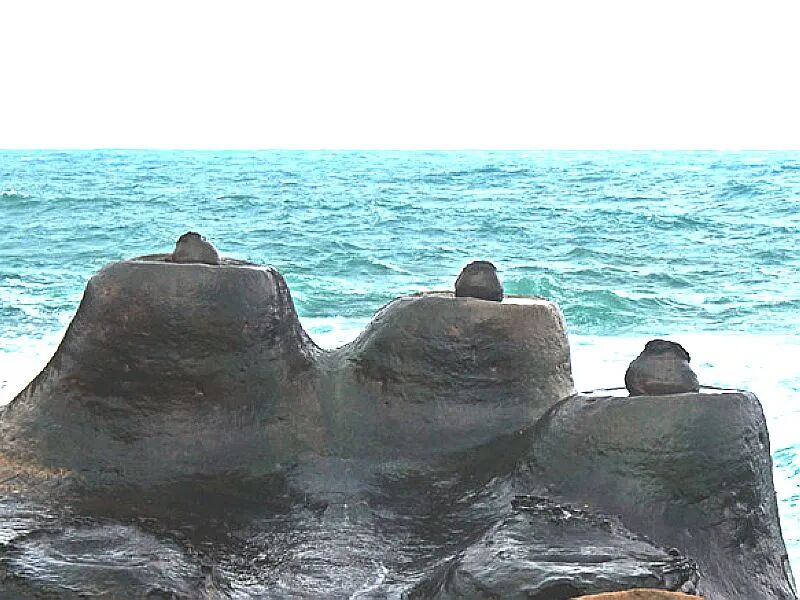
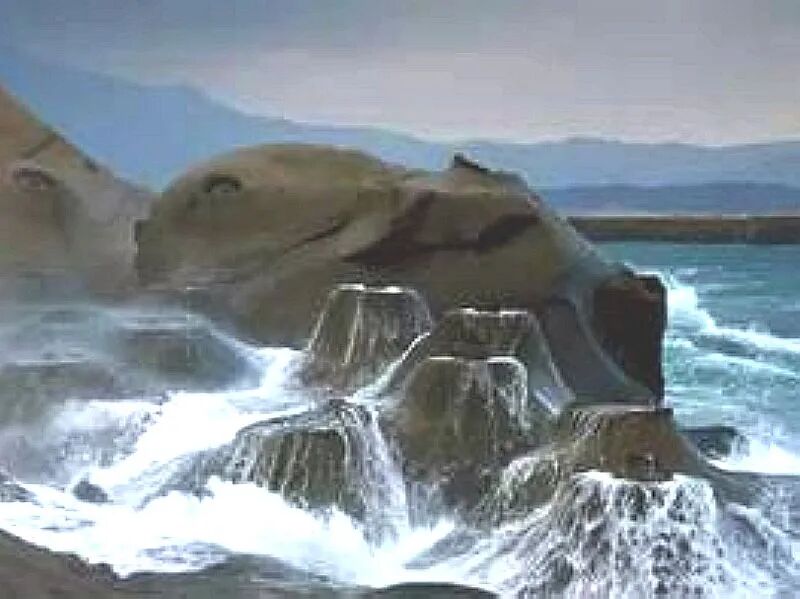
The largest Candlestick Rock (pictured below) totally looks like a giant bell turned upside down. Or, get this, it also resembles a carp, earning it the nickname “Carp Stone.” When there’s a big tide, typhoon, or strong northeast monsoon, the waves crash against the Candlestick Rock, and the water runoff flows down the sides, creating these gorgeous, flowing lines. Add in that “Carp Stone” next to it, and it’s just magical. The “carp swimming upstream” effect happens when the waves are huge, splashing up behind the Carp Stone, making it look like a fish leaping right out of the sea!
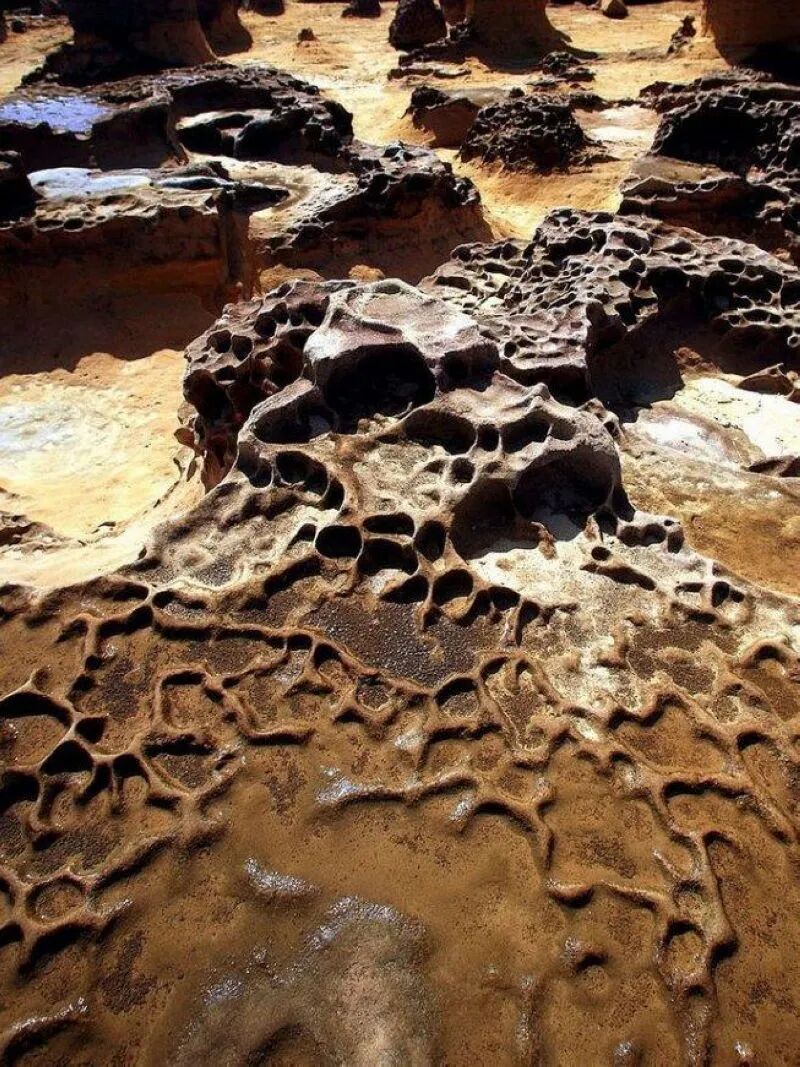
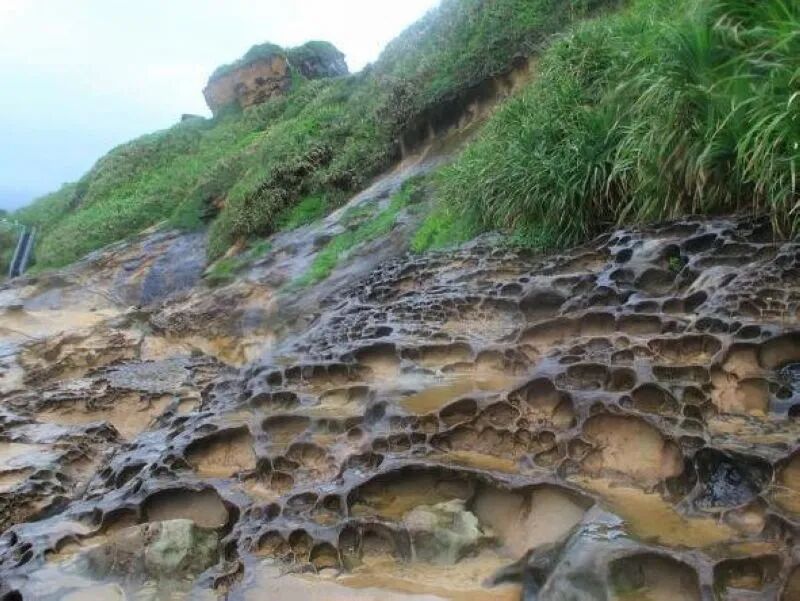
Weathering windows are basically rock surfaces that have been eroded unevenly, creating these cool honeycomb or window-pane like patterns. It’s like nature’s stained glass!
Then there are the Ginger Stones. With their rough texture and yellowish-gray color, they look exactly like the ginger root you’d use for cooking. So, yeah, “Ginger Stone” it is!
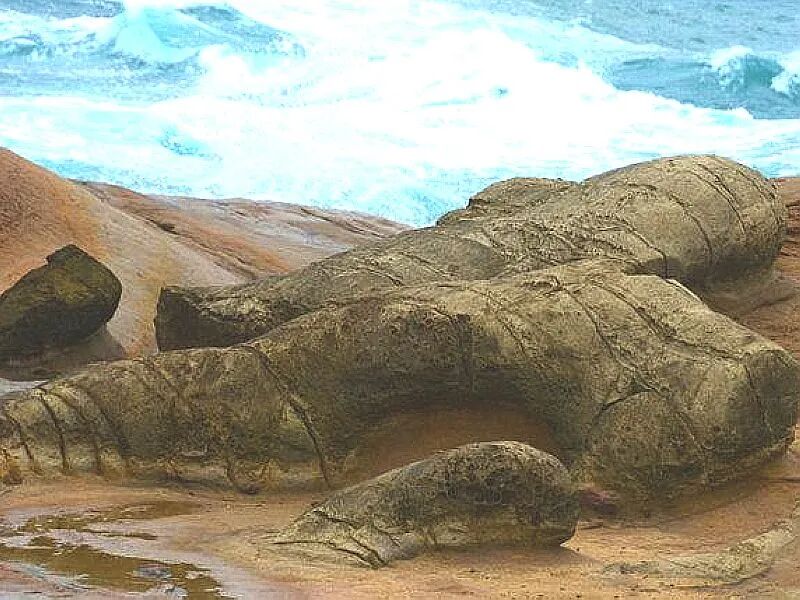
And check out this Ginger Stone – it’s a dead ringer for a chicken drumstick! We’re calling it the “Chicken Leg Stone.”
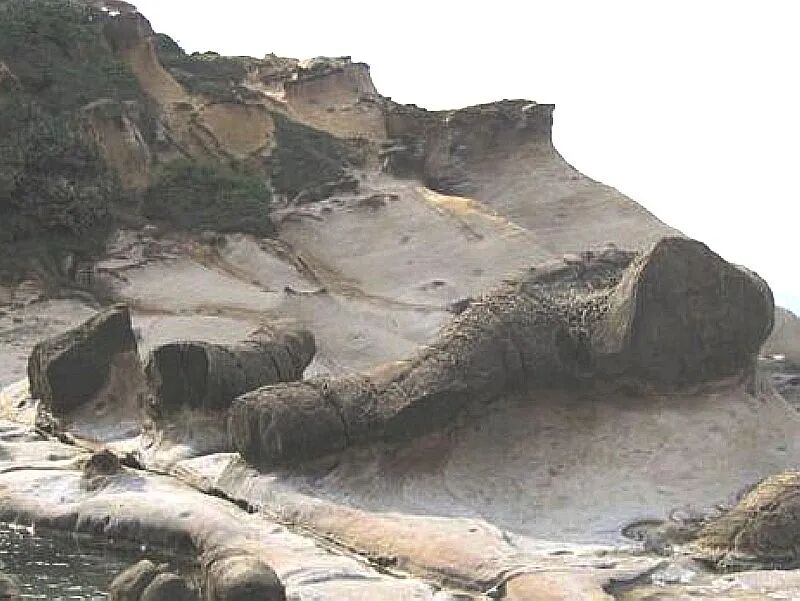
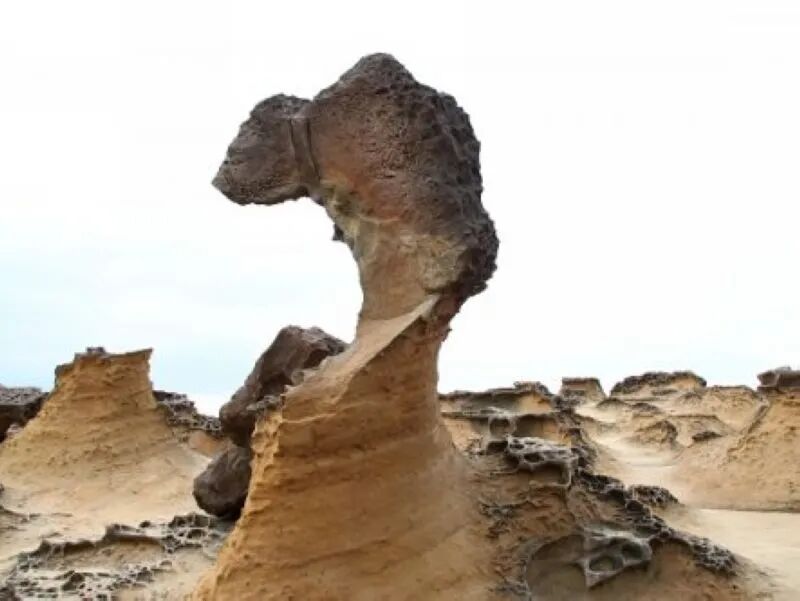
Next up, Mushroom Rocks! They’re named for their obvious mushroom-like shape. They form because these rocks are made of two different types of stone: hard basalt on top and softer sandstone underneath. Over time, the ocean waves erode the softer bottom, making the “stem” thinner. So, each rock goes through stages: a “neckless” stage, a “thick-necked” stage, a “thin-necked” stage, and eventually, a “headless” stage. Most of the rocks in this area are still in their neckless or thick-necked phases.
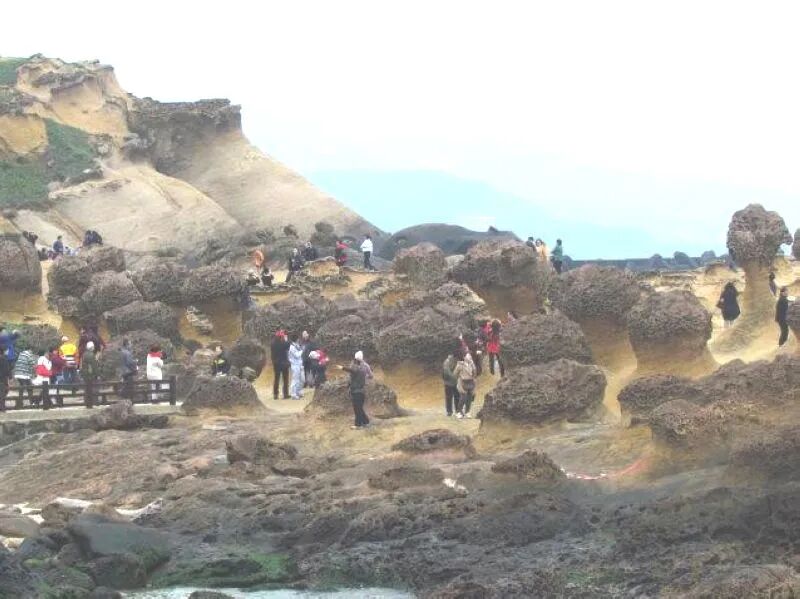
You’ll often find honeycomb patterns on the “heads” of these mushroom rocks.
Here’s a “neckless” one, still looking strong!
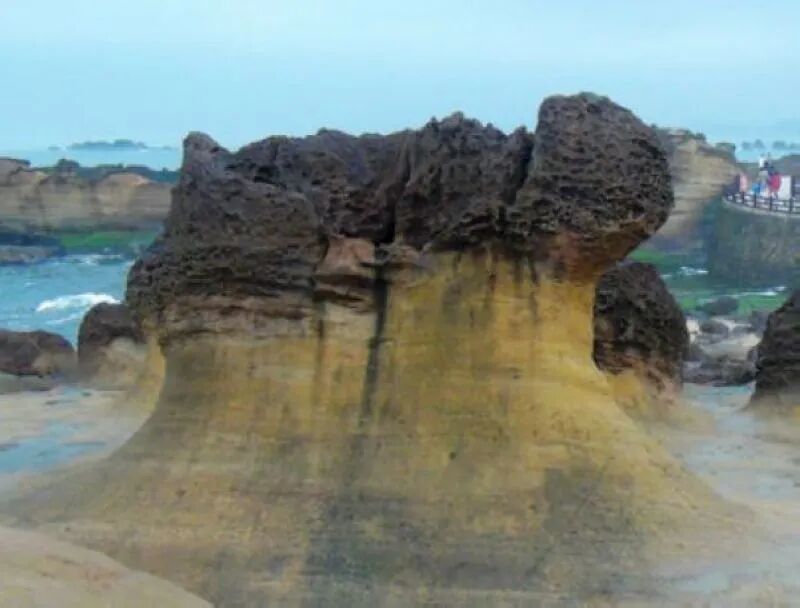
This is a “thick-necked” one, clearly showing the erosion starting.
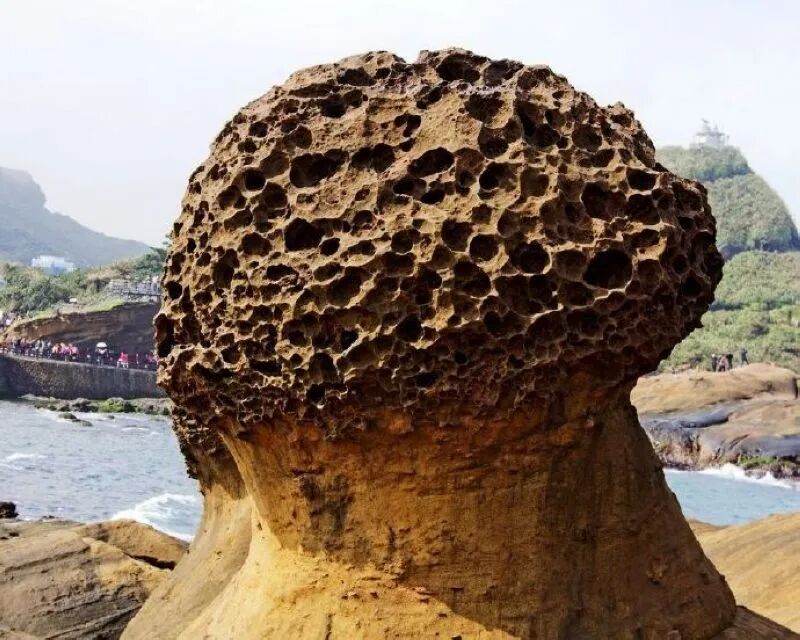
Check out the Ice Cream Rock – looks good enough to eat!
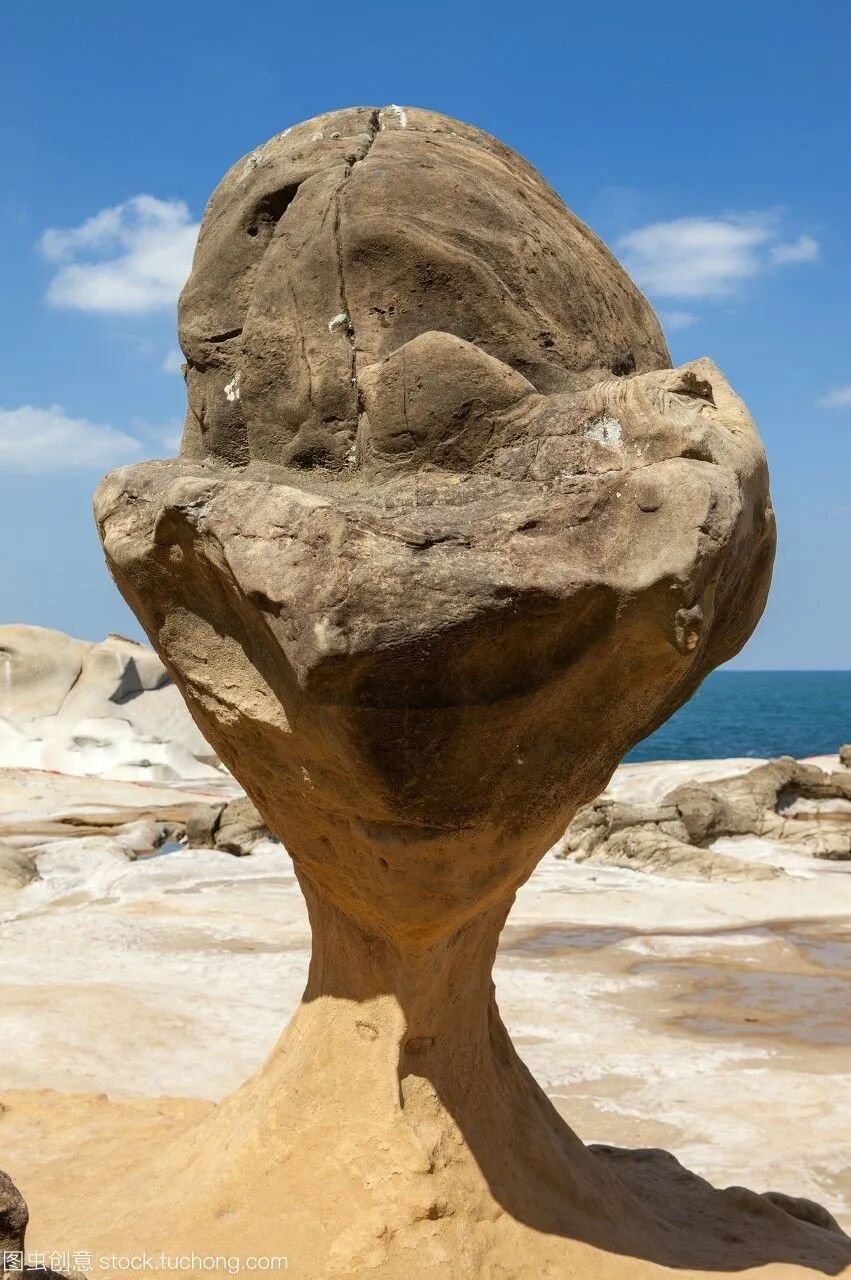
This is a “thin-necked” one, looking elegant like a Japanese geisha with her hair swept up. Seriously, it’s pretty graceful!
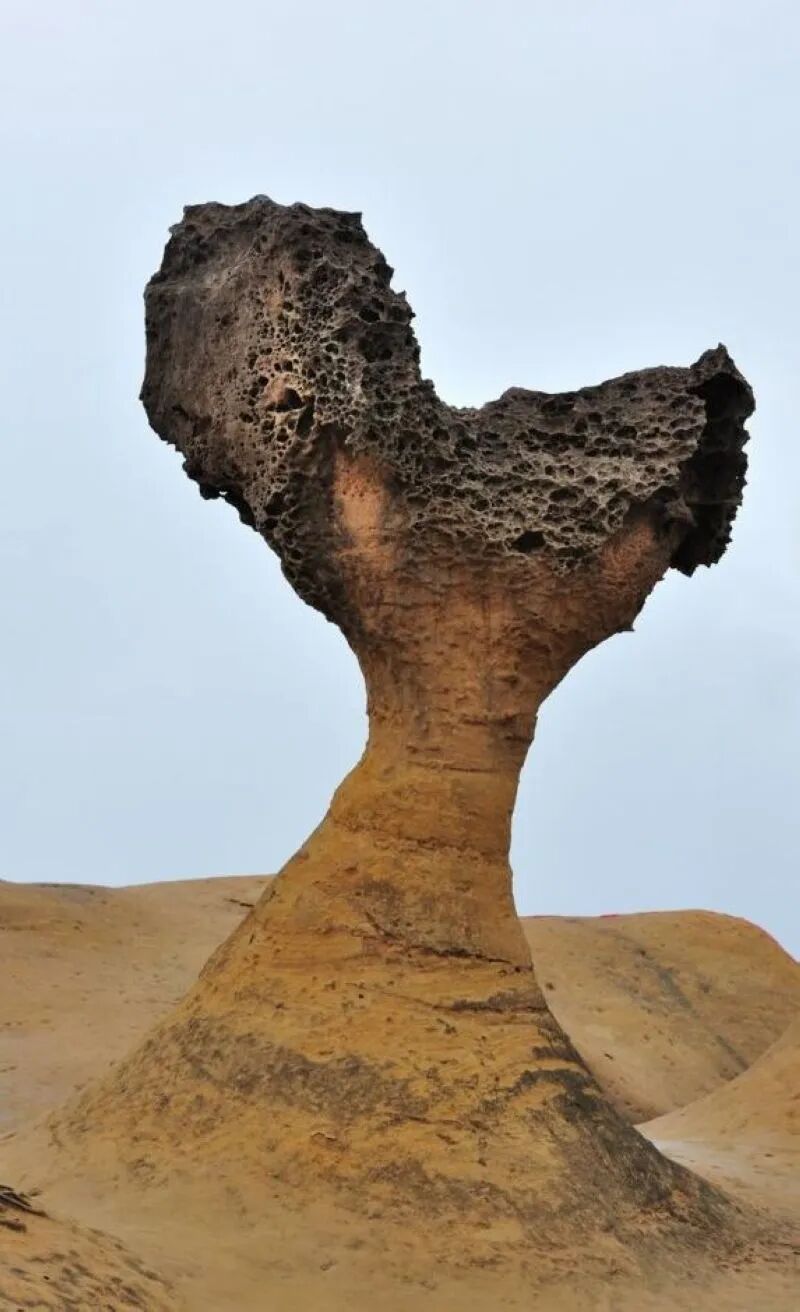
And here’s the “Queen’s Head’s successor” – the future monarch of Yehliu!
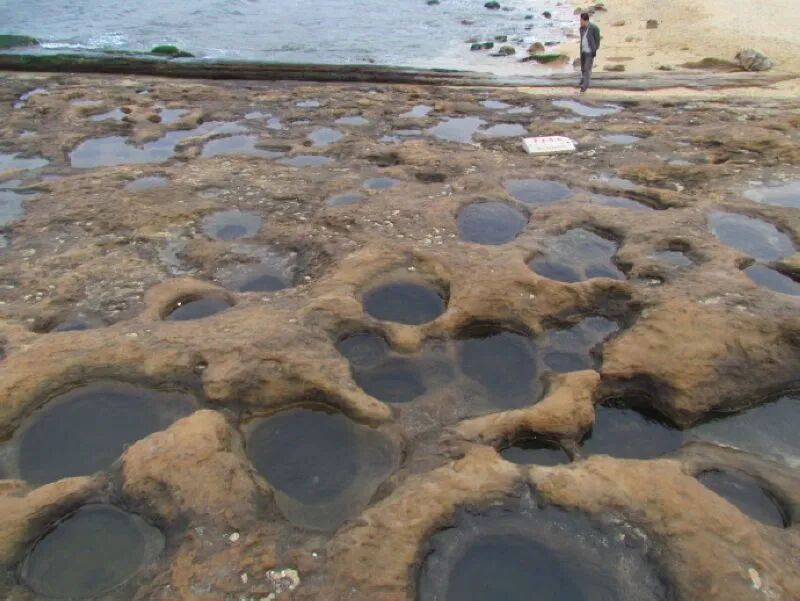
“Dissolution pans” are these flat, shallow depressions that collect seawater all year round, causing the rock to dissolve. They look totally alien, like something you’d find on Mars. So cool!
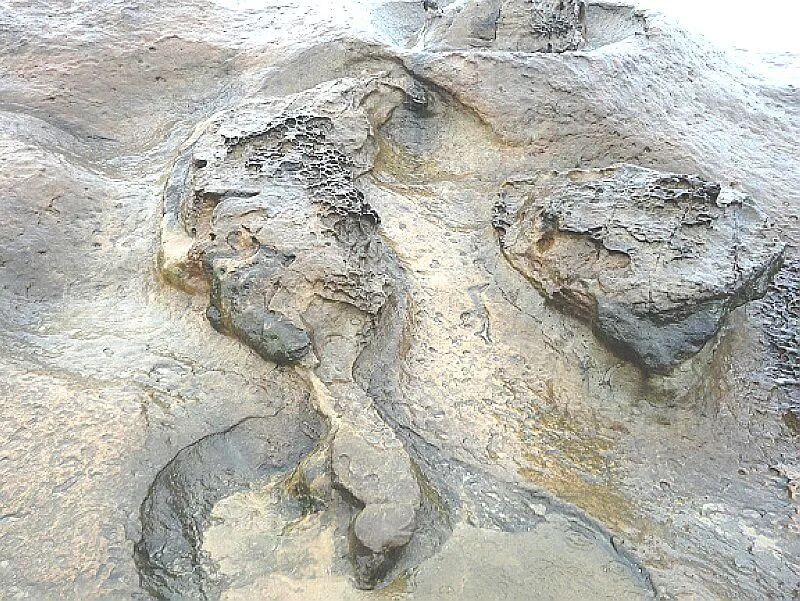
Now, let’s talk trace fossils! These are the marks left behind by living organisms as they moved, ate, or otherwise disturbed the sediment. It’s like a prehistoric diary etched in stone.
Here’s a “star-shaped trace fossil” – a little piece of ancient art.
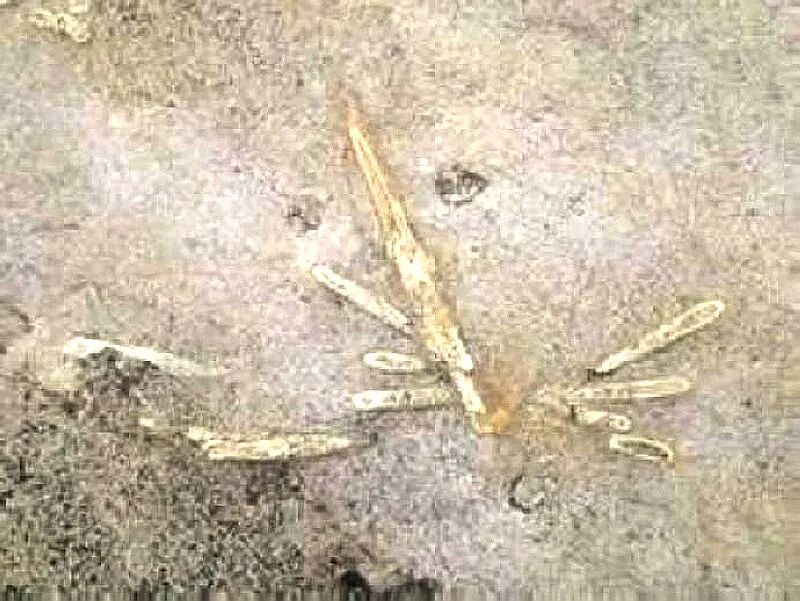
And these are “warty serpentine tube traces” – sounds fancy, looks even cooler.
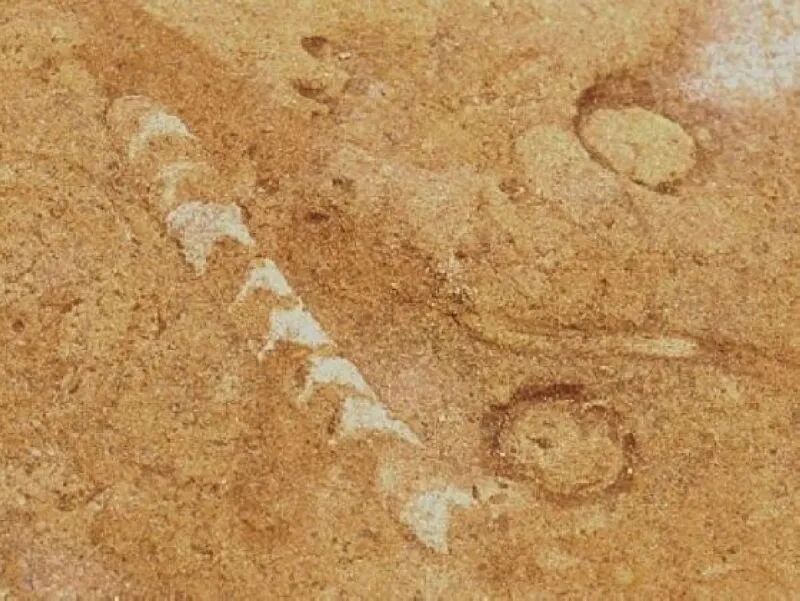
You can also spot “seaweed traces” and “escape structures” – all telling a story of life long, long ago.
Welcome to Area Two!
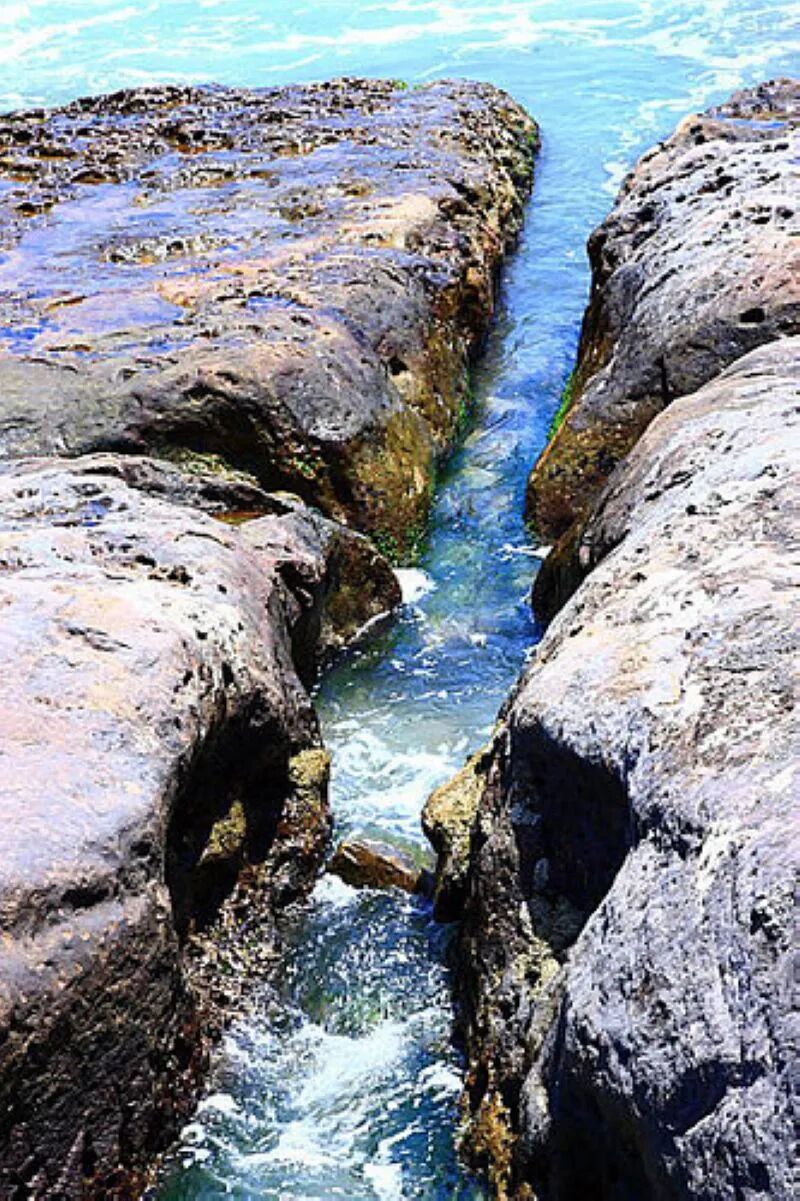
Here you’ll find sea-eroded grooves. The Yehliu Cape has tons of joints that run perpendicular to the cape’s direction. Waves erode these joints easily, widening them into these cool grooves. You’ll cross a bunch of small bridges in the park that were built just to get over these sea-eroded channels.
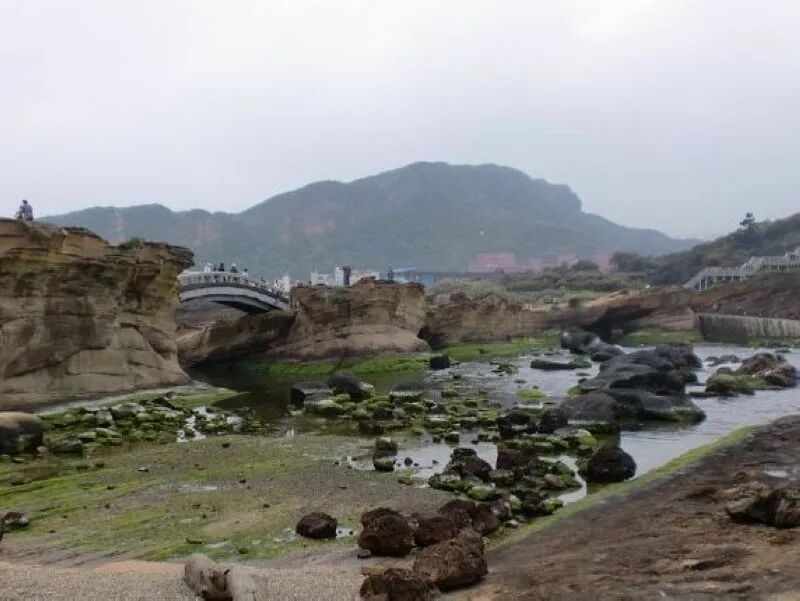
Here’s a slightly smaller sea-eroded groove.
Check out the Taiwan Stone (left) and Hainan Island Stone (right). The Taiwan Stone isn’t just similar in shape to the island of Taiwan; even the Central Mountain Range is in the right spot! It’s like a mini-map in stone.
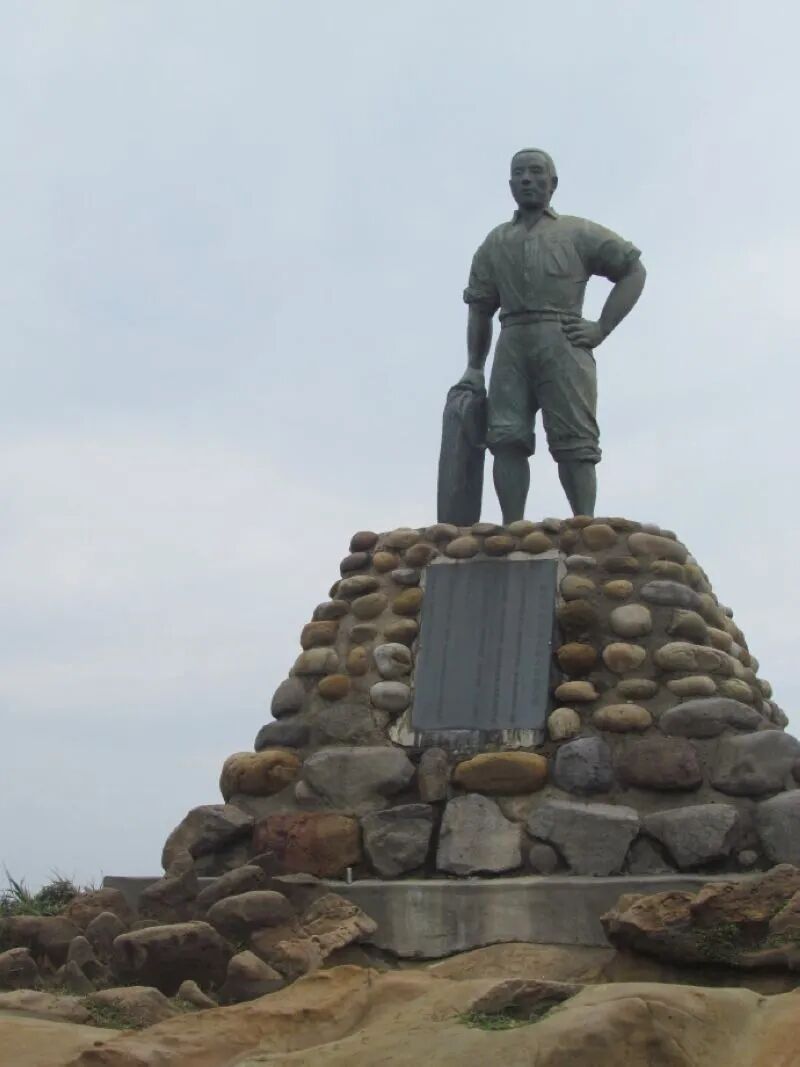
Inside the Yehliu Geopark, there’s a bronze statue of a hero named Lin Tianzhen, who sacrificed his life to save others. A true legend.
More of Area Two’s wonders!
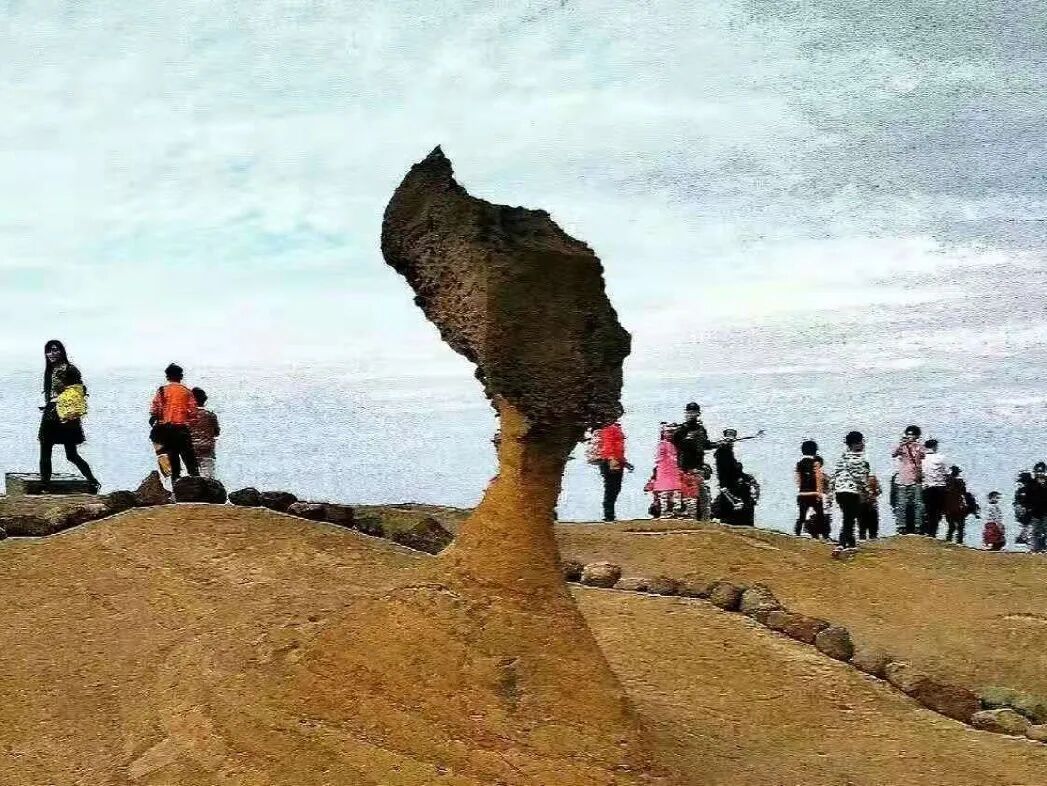
And then there’s the main event, the QUEEN’S HEAD! This superstar is pretty much Taiwan tourism’s calling card. These mushroom rocks are the most iconic landform in Yehliu, and the Queen’s Head, with its dignified and regal posture, has become the ultimate symbol of the Geopark. But here’s the bittersweet part: scientists estimate that in just a few more decades, the Queen’s delicate neck could snap at any time. So, if you want to see her, you better go soon!
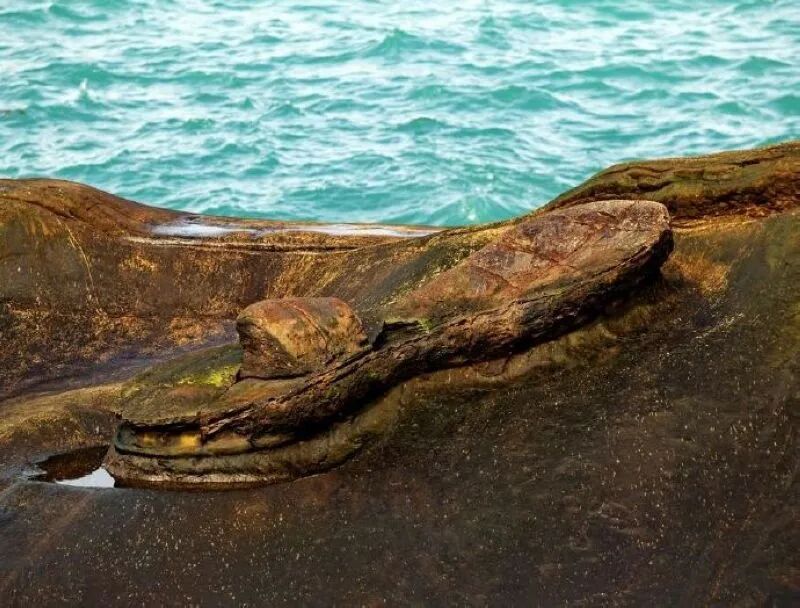
Here’s the Fairy’s Shoe, looking like it’s straight out of a fairytale.
The Earth Stone, which is actually a type of pothole. You know how rivers in their upper reaches often have these cool circular holes? That’s what a pothole is! Rain swells the river, carrying rocks downstream. When a rock gets stuck in a hollow on the riverbed, the water makes it spin, slowly grinding away at the obstacle over time, creating a perfectly round hole. That’s essentially what we’re seeing here, but by the sea!
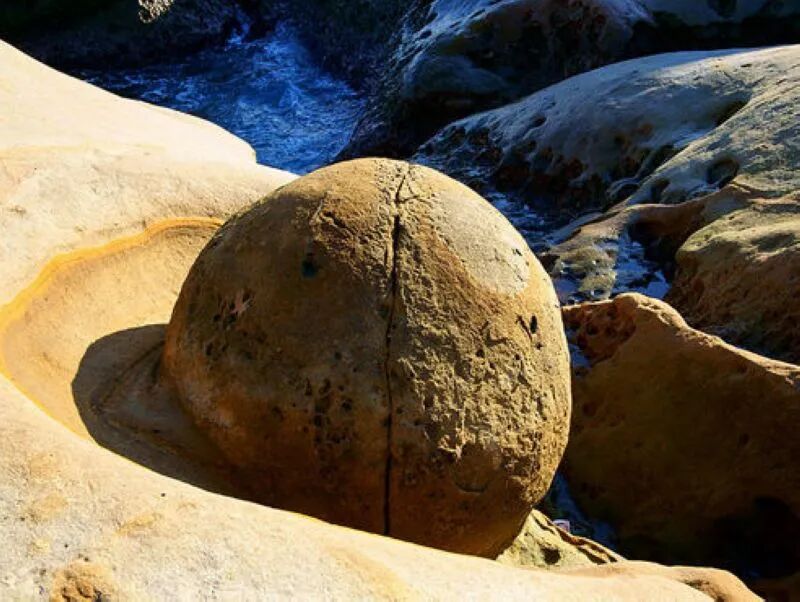
The Peanut Stone – looks like a giant peanut someone dropped!
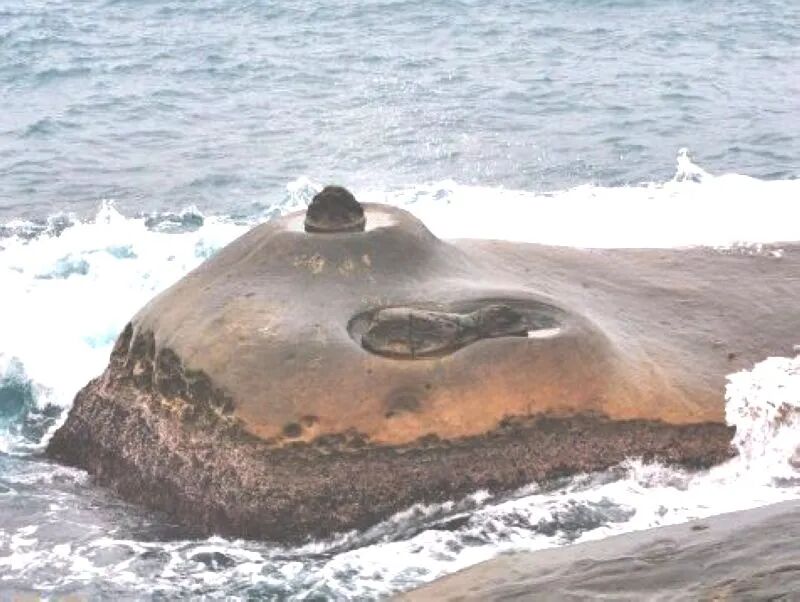
Elephant Stone: This one is formed from tightly cemented layers of seafloor organisms, combined with traces of boring clams, giving it this really vivid, expressive “face.”

Behold, the Roasted Chicken Leg! Yep, another type of Ginger Stone, looking perfectly grilled.
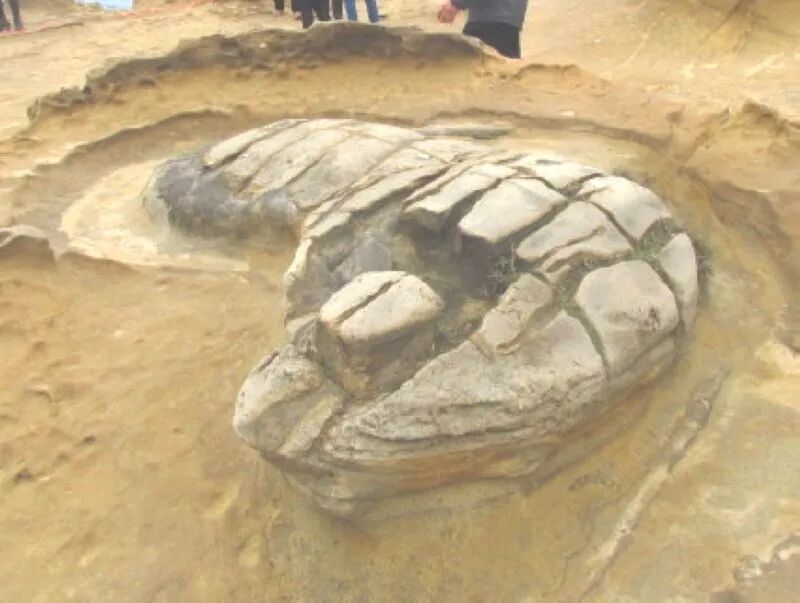
Then there’s Pigsy Stone, a uniquely shaped Ginger Stone that looks just like a pig’s head. And if you look to the left of Pigsy, you’ll spot another Ginger Stone that totally resembles a little turtle chilling on the coast.
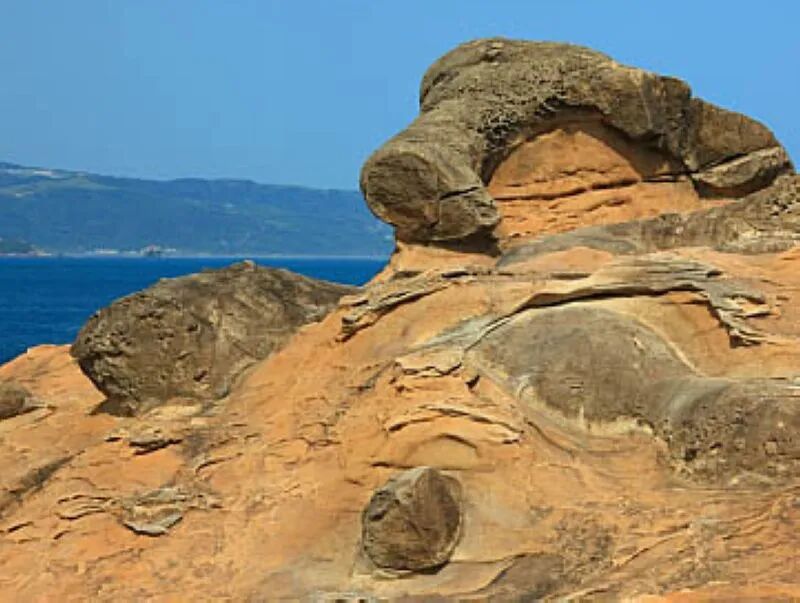
This is a speed measurement platform, built by the China Shipbuilding Corporation to measure the speed of cargo ships. Practical, yet part of the landscape!
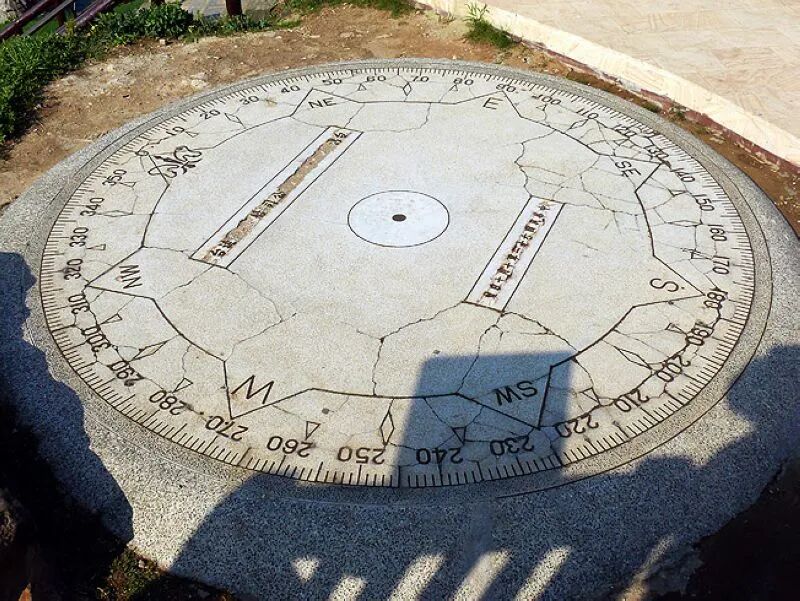
The Dragon’s Head Stone is a uniquely shaped mushroom rock that, yep, looks like a dragon’s head!
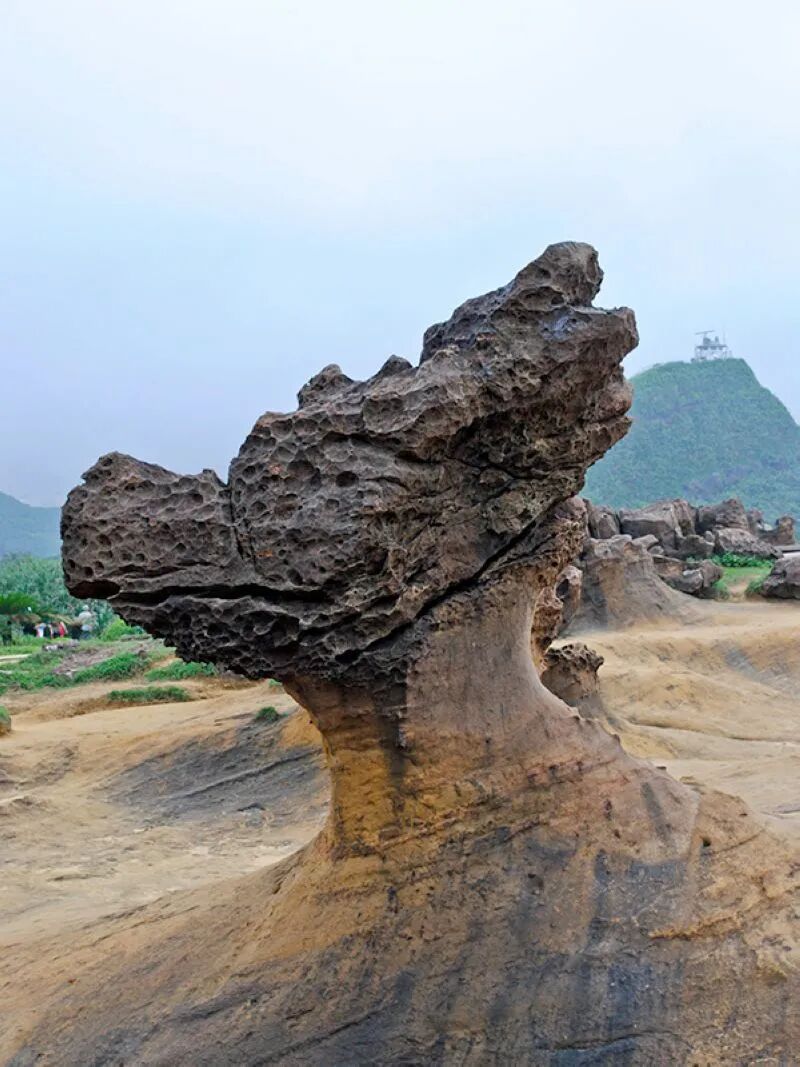
King Kong Stone! It looks like a giant gorilla squatting on the ground, paying his respects to the Dragon King.
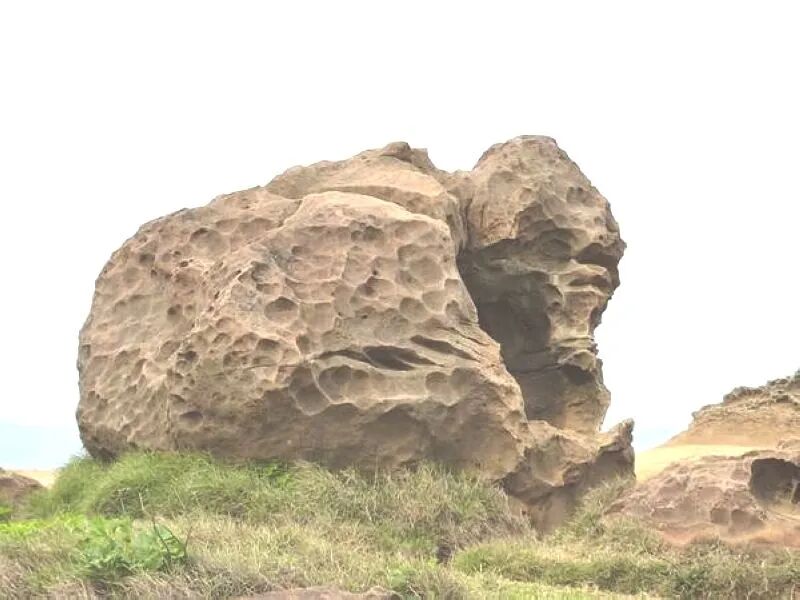
But then, when you get closer, it morphs into two little dogs kissing! How wild is that?
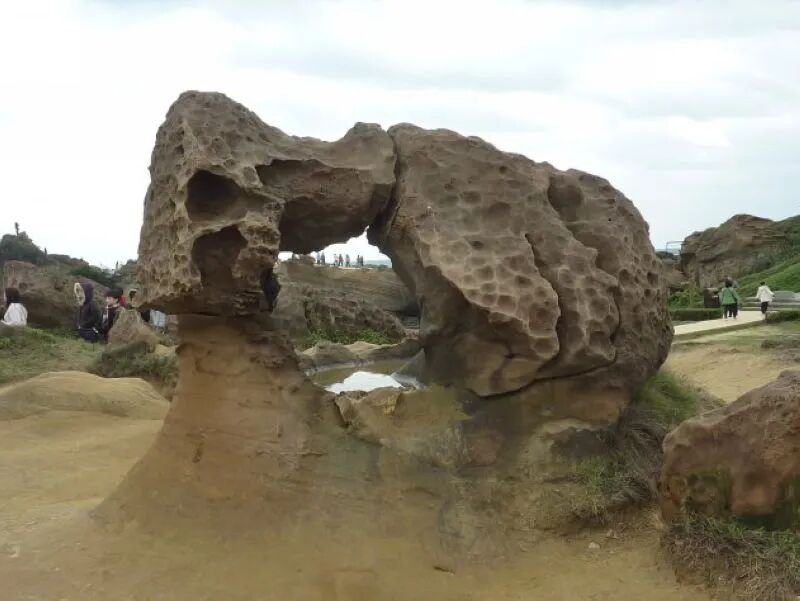
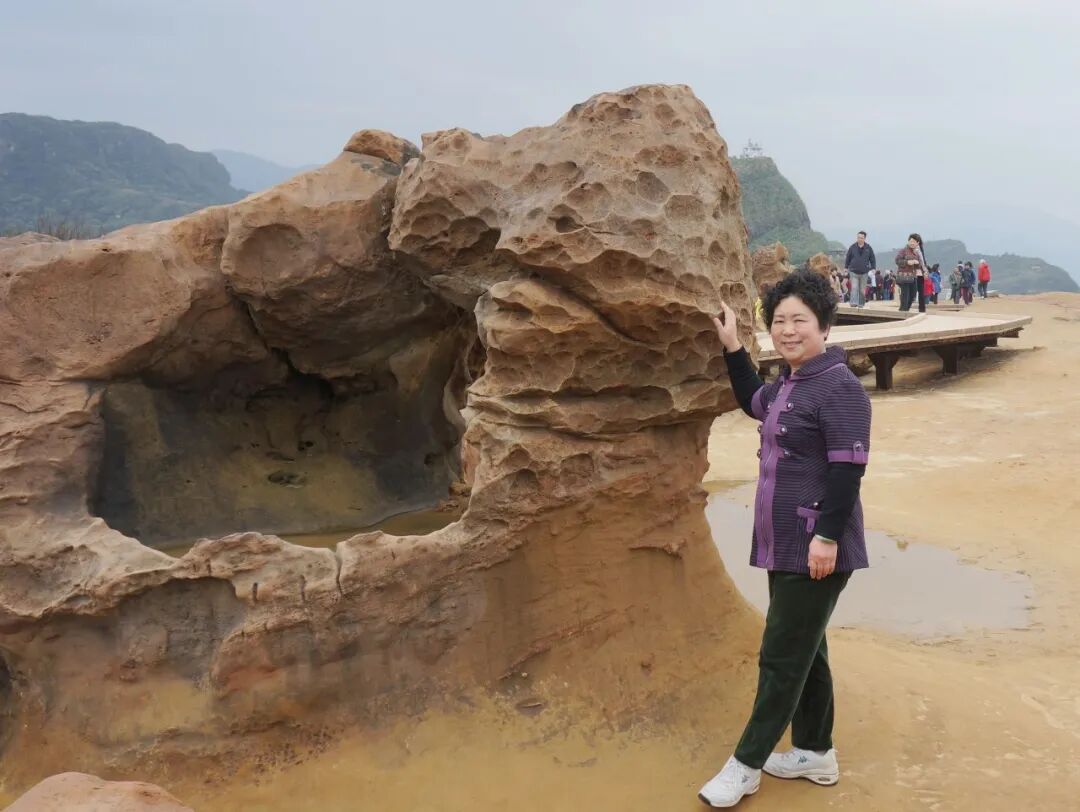
Pineapple Bread! You can practically smell the sweetness.
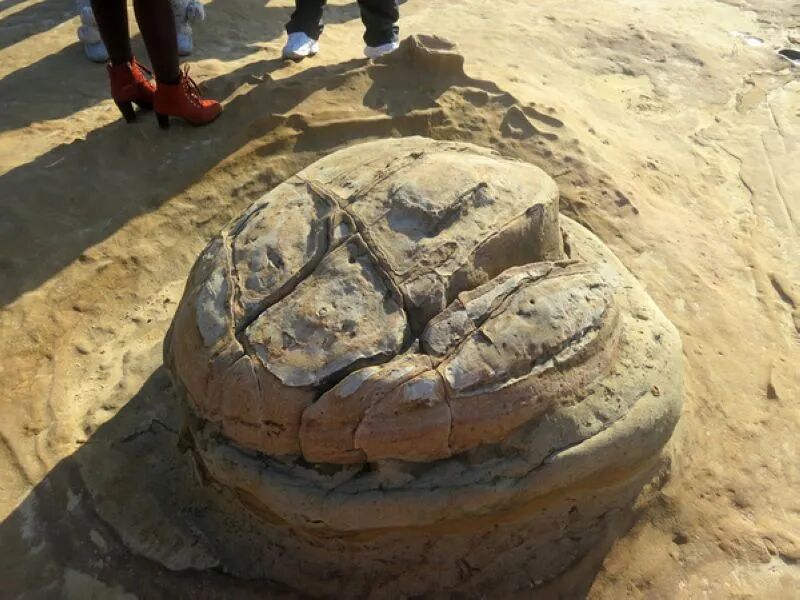
And finally, the Lion’s Head Stone, looking majestic and powerful.
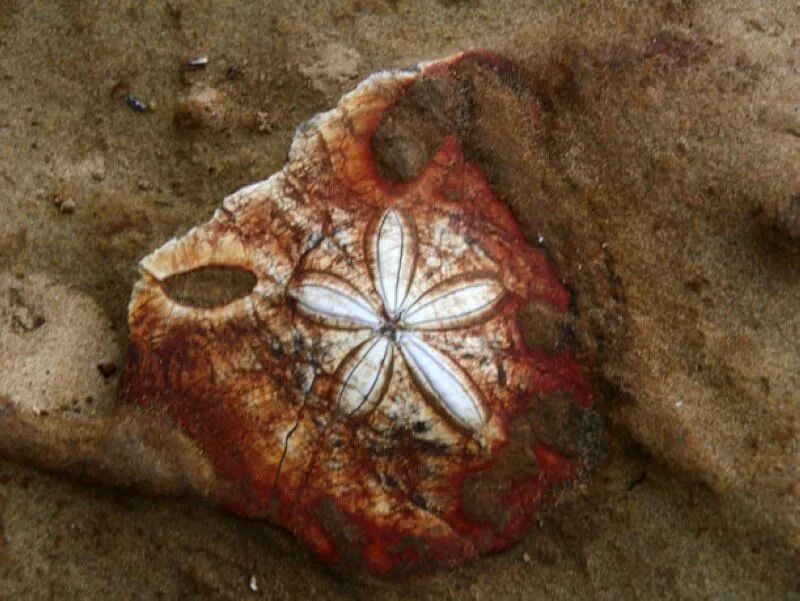
Within the Yehliu sandstone, you’ll find layers of rock packed with sea urchin fossils – basically, ancient “sea urchin graveyards” formed during typhoons when they got piled up on the seabed.
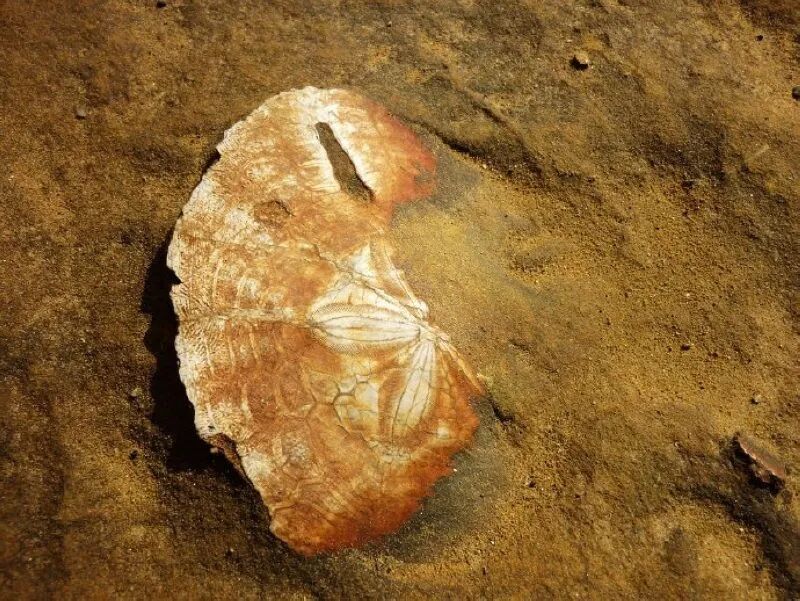
These sea urchin fossils were originally white, but they’ve turned reddish-brown from being soaked in iron oxides from the water. Most of the ones exposed on the surface are broken, but a few are perfectly preserved, which is pretty amazing!
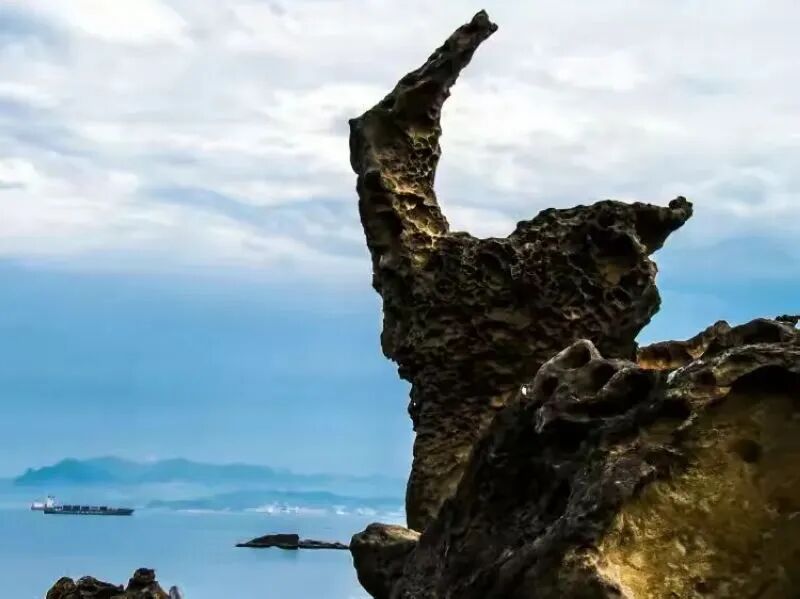
Area Three’s signature landmark is the Marline Bird Stone. This weathered rock, located near the entrance to the Area Three wave-cut platform, looks like a giant bird or beast turning its head to gaze into the distance. It’s quite the spectacle!
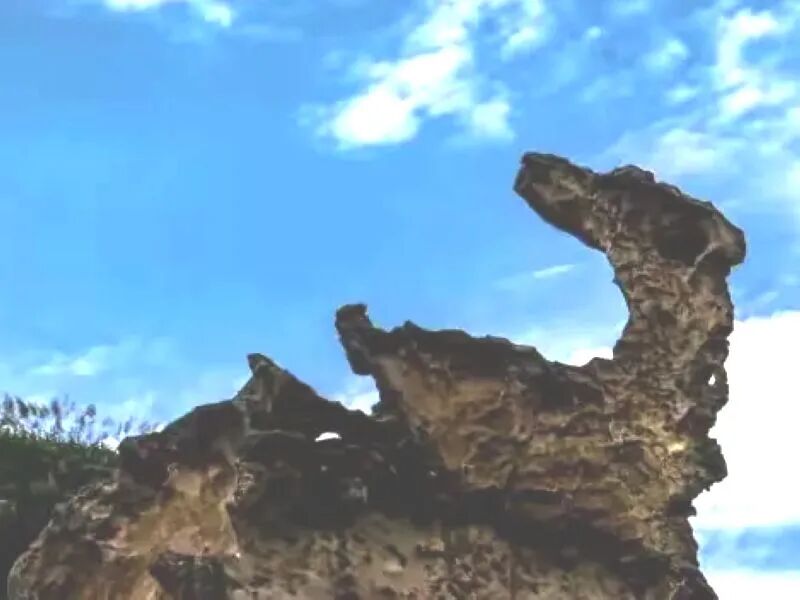
A different angle gives you another perspective of this majestic formation.
And check out these Pandanus plants! They’re evergreen shrubs that can grow up to 15 feet tall, with long, lance-shaped leaves. They’re super tolerant of moisture, salt, and sand, making them a common sight along the coast, acting as natural windbreaks.
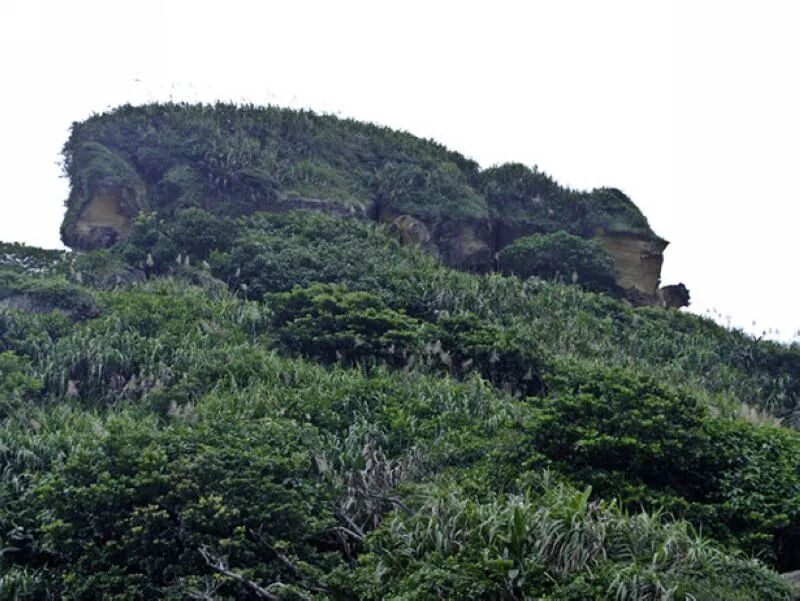
Area Three is the other side of Yehliu’s wave-cut platform. It’s much narrower than Area Two, with steep cliffs on one side and surging waves right beneath the other. It’s a bit more dramatic here!
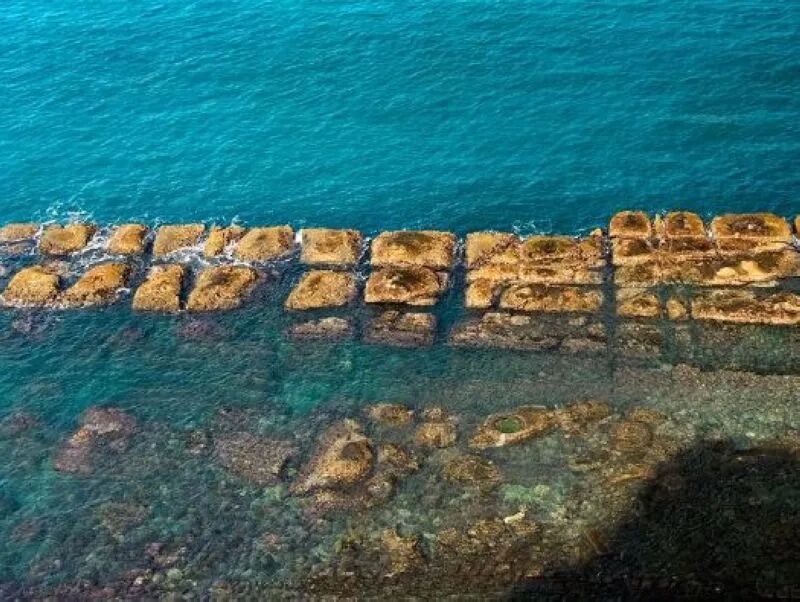
Tofu Rock – named because it looks like perfectly cut blocks of tofu!
Unlike the bustling and crowded Areas One and Two, hardly any tour groups make it up here, so it’s incredibly peaceful. Plus, you get these expansive, far-reaching views that are just breathtaking. Strolling along the bird-watching trail through the trees is pure bliss. Sadly, I didn’t spot any birds, but the serenity was a reward in itself!
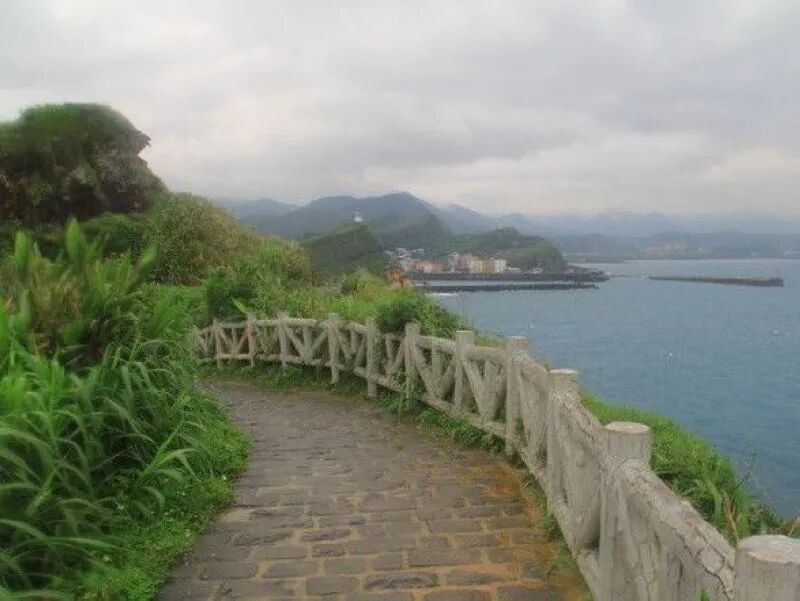
You can descend from the leeward side of the monocline to reach the wave-cut platform of Area Three.
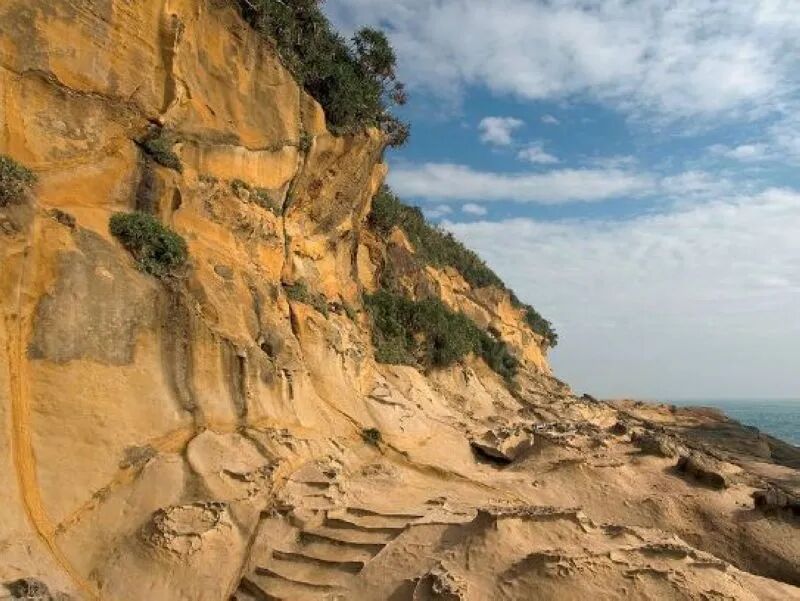
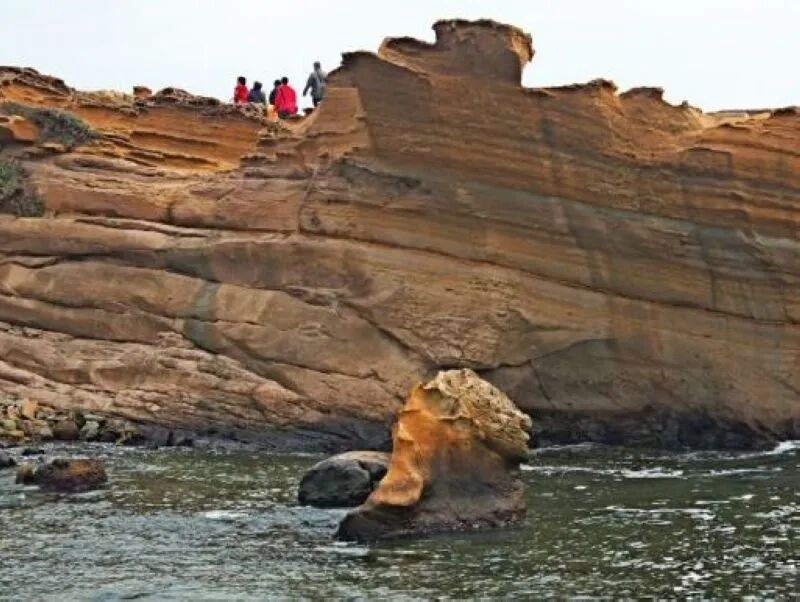
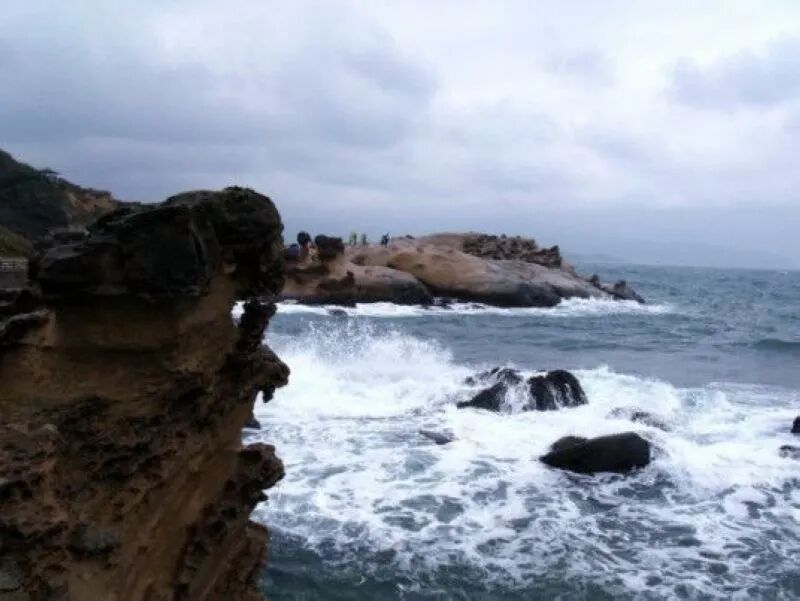
Sea-eroded cliffs are steep, towering coastal cliffs formed by wave erosion. Right at the base of the cliff, near the waterline, the powerful waves often carve out a concave indentation. These are called sea-eroded notches.
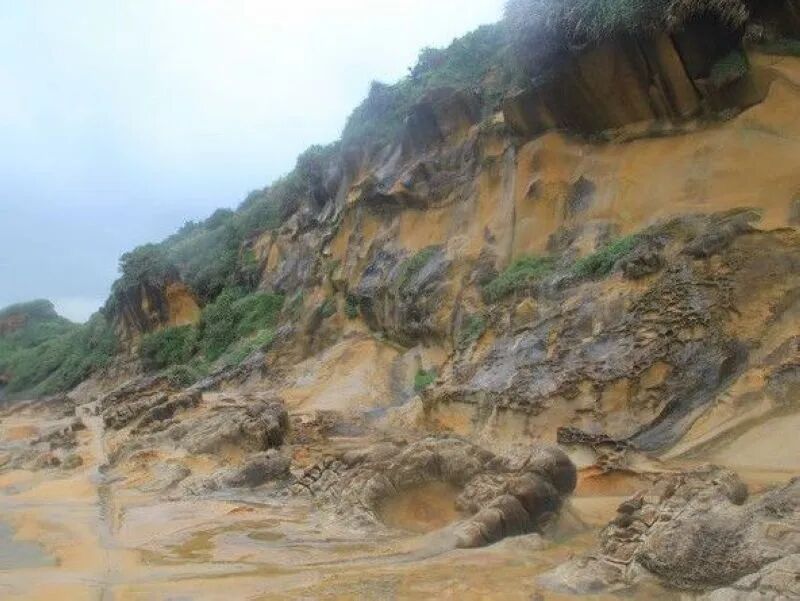
As these sea-eroded notches continue to develop, they can eventually form caves that extend deep into the cliff face. The “Lover’s Cave” is a prime example of a large sea cave here!
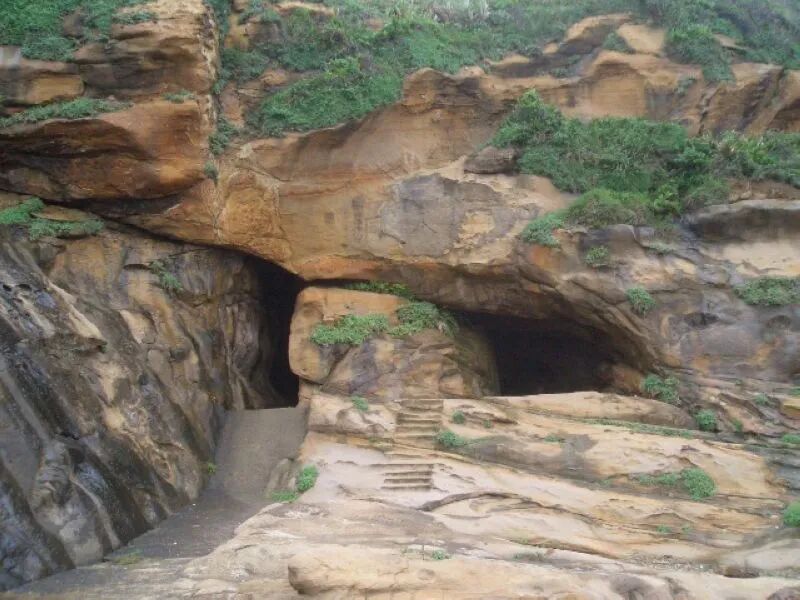
The waves constantly pound the cliffs day and night, causing these notches and caves to grow. Eventually, the cliff face above the notch might lose its support and collapse, leading to the cliff receding. Below the cliff, a flat rock platform, almost at sea level, gradually forms – that’s your wave-cut platform!
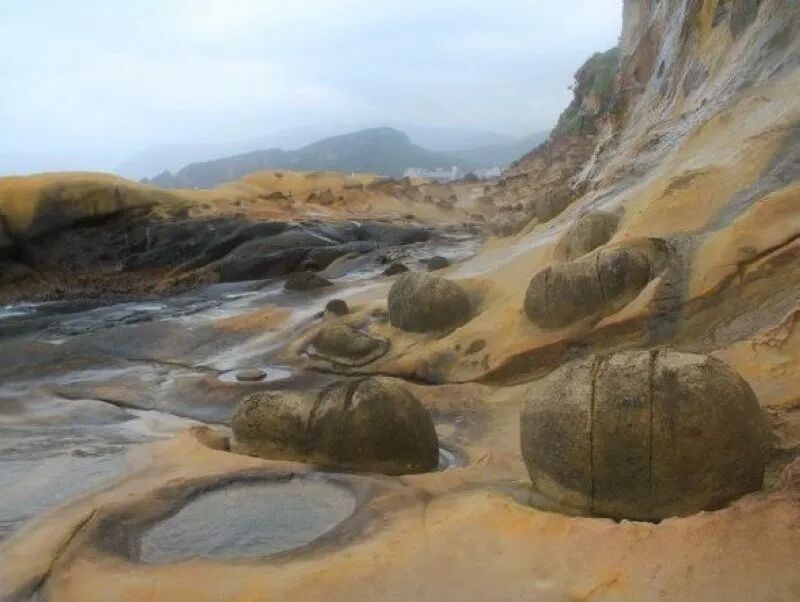
Scattered across the wave-cut platform and along the sea-eroded cliffs are numerous “pearl stones.” They add a unique texture to the landscape!
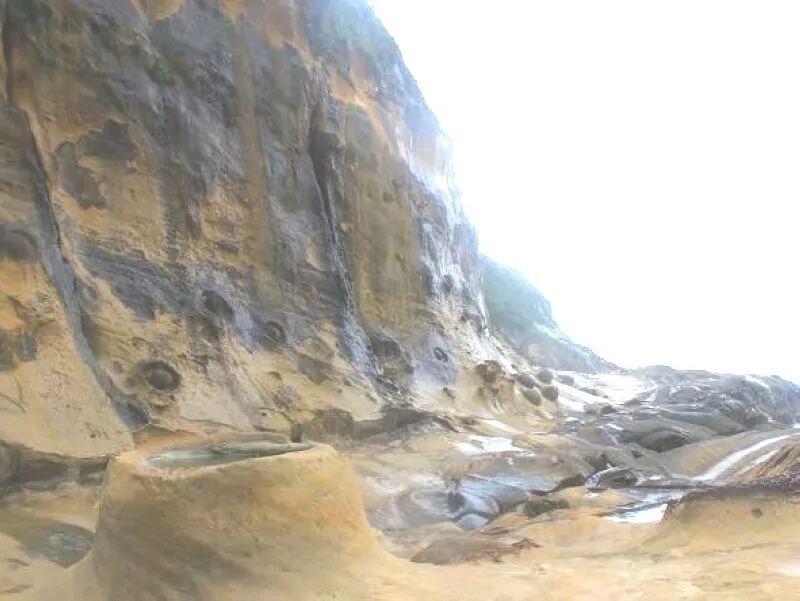
More weathering windows, showing off nature’s intricate designs.
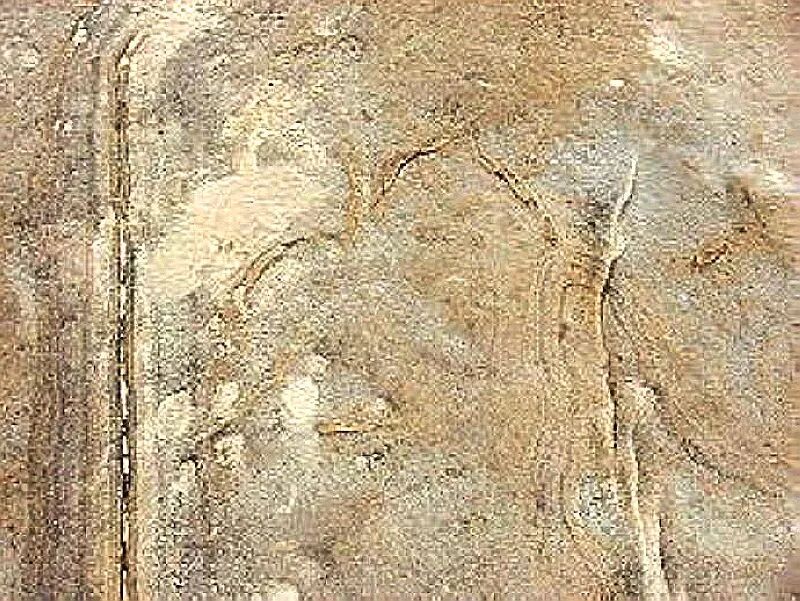
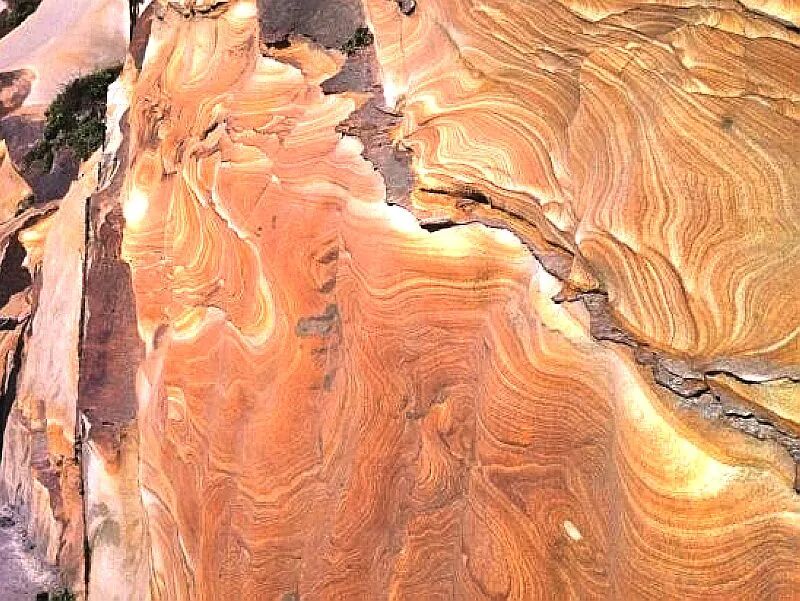
On the wave-cut platforms, you’ll often stumble upon these beautifully complex, swirling weathering patterns. They add such delicate color and detail to the otherwise plain, earthy-yellow rock surfaces. It’s like nature’s own abstract art!
Twenty-Four Filial Exemplars Mountain – it was way too far, and we just ran out of time. Ugh, the downside of group tours, right?
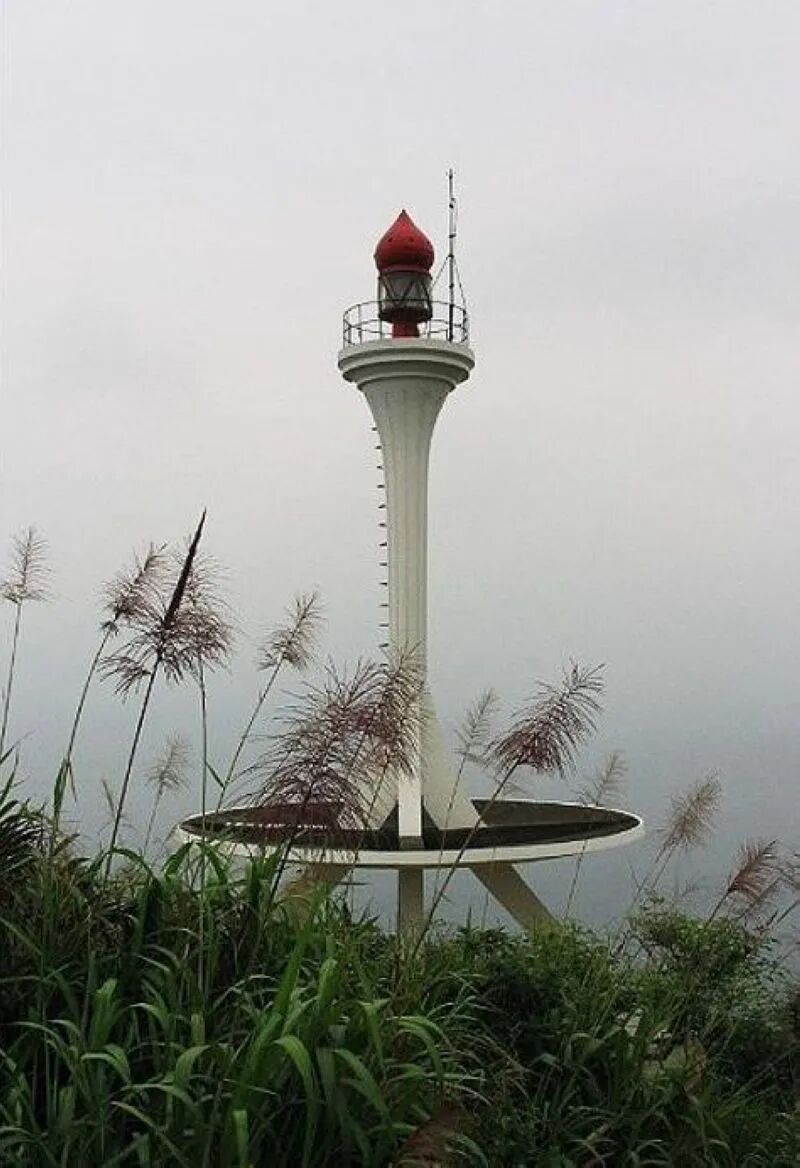
When you walk all the way to the tip of the cape, you’ll find the white Yehliu Lighthouse. With its sleek, streamlined shape, it looks like a giant candlestick itself! It’s super striking and beautiful, and it’s even won praise from the international lighthouse community.
From here, the view of the ocean stretching out to the horizon is just incredible, totally soul-refreshing. Besides all the amazing geological sights, you can also spot Keelung Port in the distance. What a panorama!
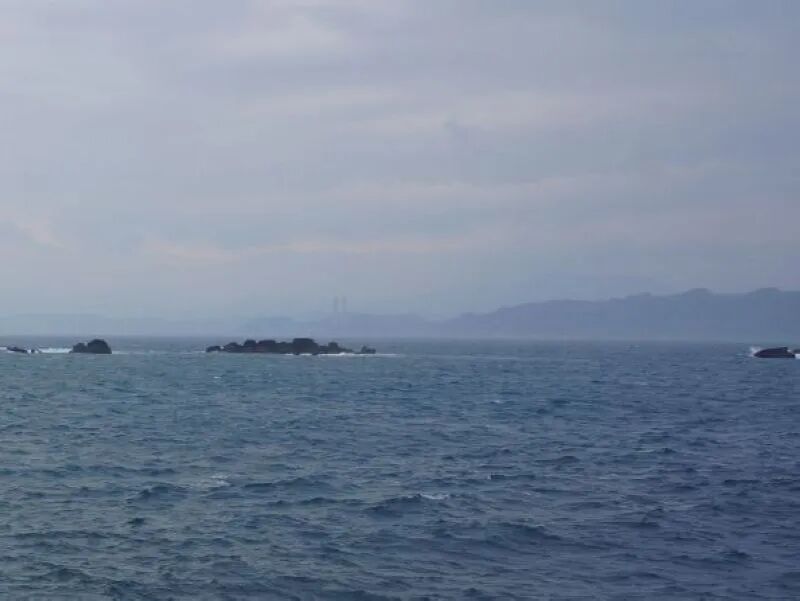
Our entire trip around Taiwan, the forecast kept calling for rain, but we never actually saw a drop! Our guide, ever the optimist, joked that we must have brought the sunshine with us from the mainland – “The Communist Party is like the sun, bringing light wherever it goes!” Honestly, I think we just got lucky, but I’ll take it!
More Stories
This Hidden 2nd-Floor Bar in Taipei Is Serving Up Seriously Next-Level Risotto
The 3 AM Secret: Finding Taipei’s Most Exclusive Late-Night Speakeasy Diner
Chasing Neon and Graffiti: A Low-Key Night in Taipei’s Ximending