

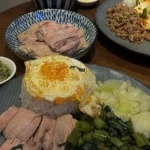


Back in the day, tour groups had to brave the Suhua Highway by bus. And let me tell you, this road is no joke – super treacherous, especially when it rains, because landslides are, like, a regular thing. Remember that horrifying Suhua Highway accident on October 21, 2010? A massive mudslide swept a tour bus full of mainland visitors right into the Pacific, and it was devastating. After that tragedy, to keep mainland tour groups safe, they changed the game. Instead of risking the most dangerous parts of Provincial Highway 9 (the Suhua Highway) between Yilan and Hualien, everyone switched to train transfers. For the Hualien side, the transfer stations are Beipu and Xincheng, and on the Yilan end, you’ve got Su’ao New, Luodong, and Yilan. Taiwan Railways (TRA) even stepped up, adding extra trains like the Chu-Kuang Express, Fu-Hsing Express, and local rapid services to handle the crowds. These special runs? They earned the nickname ‘Mainland Tourist Express’ trains.
Driving that stretch of road takes a good three hours, but the train? Just one! So, bright and early, our awesome driver whisked all our luggage out of Yilan, headed south along the Suhua Highway, and met us on the other side in Xincheng. Smart move, right?
Taiwan’s railway system is pretty extensive, boasting over 4,500 kilometers of tracks (about 70% of which are narrow-gauge). It’s got this super important North-South Line, stretching over 400 kilometers from Keelung all the way down to Kaohsiung, effectively creating an island-wide network. The Taiwan Railways Administration (TRA) basically has four main arteries: the West Coast Line, East Coast Line, North-Link Line, and South-Link Line, all weaving together to form that comprehensive loop. Plus, there are these cool little branch lines, originally built to tap into the deep mountain resources like timber and minerals. The famous Alishan Forest Railway? That’s one of ’em! These branch lines all connect back to the main loop in various cities. The West Coast Line is definitely the big kahuna, linking up major cities like Taipei, Taichung, and Kaohsiung – hence why it’s also called the ‘Trunk Line.’ Then there’s the East Coast Line, connecting Yilan, Hualien, and Taitung. Since the East Coast was developed much later and less extensively, it’s kept a ton of its natural beauty. That’s why folks affectionately call it Taiwan’s ‘backyard’ or ‘secret garden.’ Seriously, the East Coast Line is one seriously gorgeous ride.
The North-Link Line wraps around northern Taiwan, connecting Taipei and Yilan, and even swings through Keelung, the northernmost city. Down south, the South-Link Line hugs the lower part of the island, linking Kaohsiung and Taitung, and passes through Pingtung, Taiwan’s southernmost city. It’s like a perfectly woven railway tapestry!
The weather wasn’t exactly postcard-perfect that day – totally overcast. So, we hopped into another private car to get to Luodong Train Station. No biggie, just another leg of the adventure!
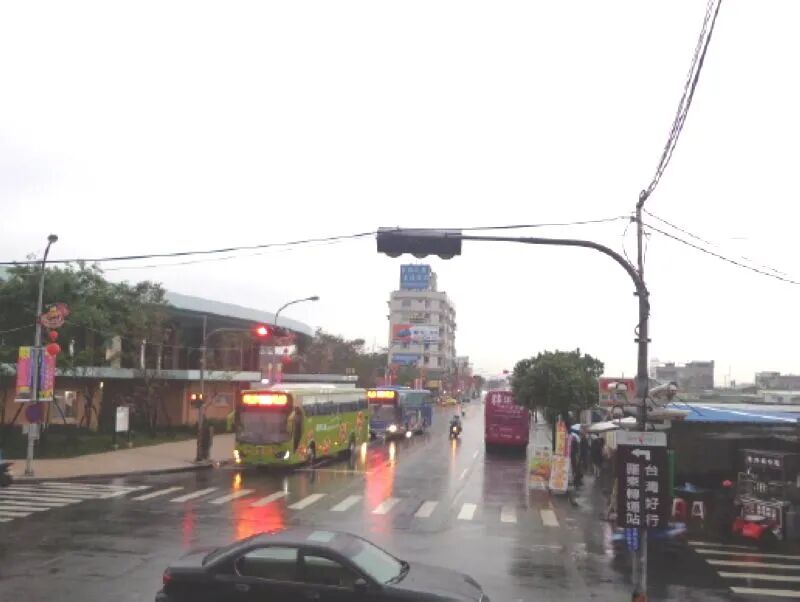
Luodong is your quintessential small-town station – you know, ‘small but perfectly formed,’ as they say. The ticket office was tiny, just one lone ticket agent, and honestly, it felt pretty quiet. The waiting room was maybe 80 square meters, with the train schedule tacked up on the wall. A quick glance confirmed: no sleeper cars, no overnight trains. Which, of course, makes total sense! Taiwan is way smaller than mainland China, so you can usually get anywhere by train in just a few hours. I even heard a funny story about Taiwanese travelers visiting the mainland for the first time, totally flabbergasted: ‘Wait, you mean I have to ride this train for days and nights?!’ Cracks me up every time.
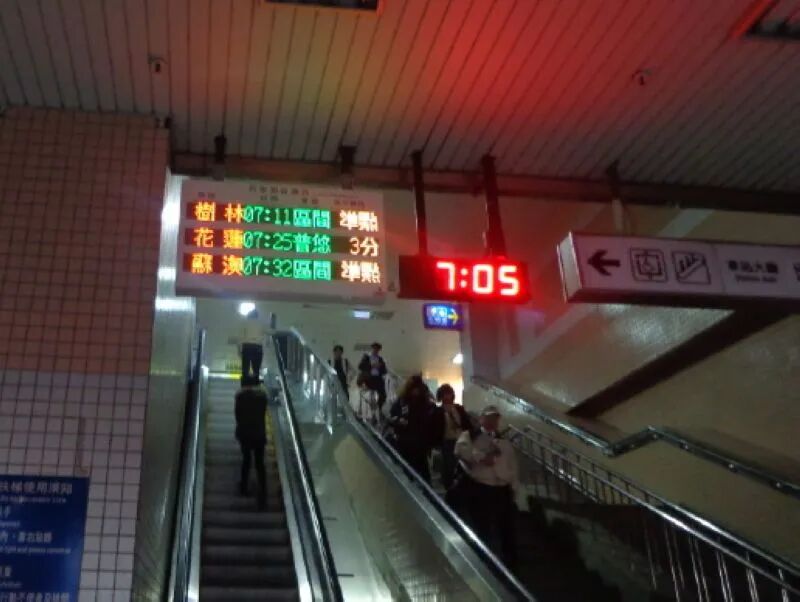
Now, Taiwan’s trains come in five main flavors: the Tze-Chiang Limited Express, Chu-Kuang Express, Fu-Hsing Express, Ordinary Train, and Local Train (or ‘Commuter Train’ as most locals call it). Each one has its own vibe and perks.
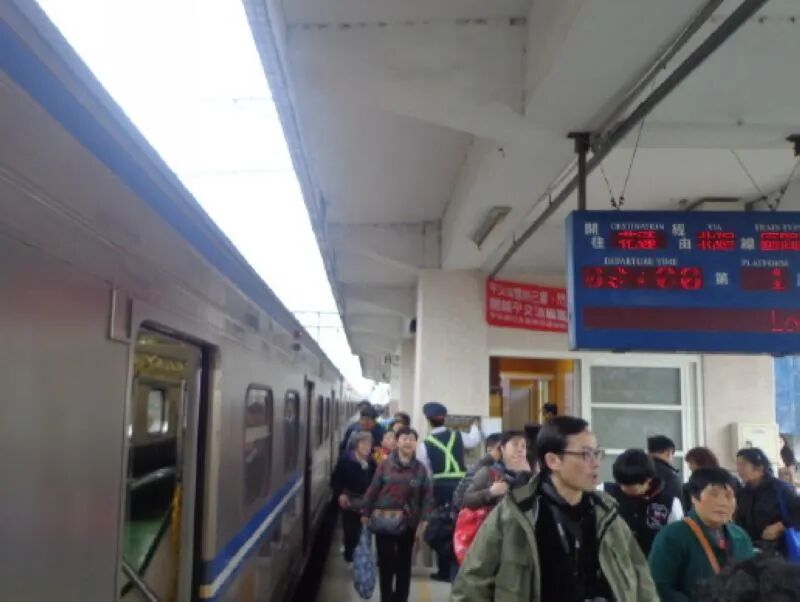
The Tze-Chiang Limited Express is your speed demon: comfy seats that recline up to 45 degrees – perfect if you’re in a hurry, but it’s pricier and only hits the major hubs. The Chu-Kuang Express is a bit older, seats recline like the Tze-Chiang, and it’s about the same speed as a local train, but with fewer stops. Then there’s the Fu-Hsing Express, powered by a diesel locomotive, so don’t expect bullet-train speeds. The seats are more like old-school coach seats, no recline – definitely not for long hauls! It’s the same price as a local train, but you get an assigned seat. The Ordinary Train is similar to the Fu-Hsing but even older, unreserved seating, and the cheapest of the bunch. Only a few runs are left, so it’s great for budget travelers or anyone feeling nostalgic. Finally, the Local Train (what locals call ‘Electric Multiple Units’ or ‘EMUs’) is basically the workhorse for commuters. It stops at every single station, so it’s not fast, but it’s super convenient: tons of departures, no need to buy tickets in advance – just show up, hop on, no assigned seats, no passenger limits. You’ll never worry about getting a ticket, but you might have to stand. Guess which one we ended up on? Yep, the local EMU!
Our whole crew piled into this one car, and let me tell you, it filled up fast!
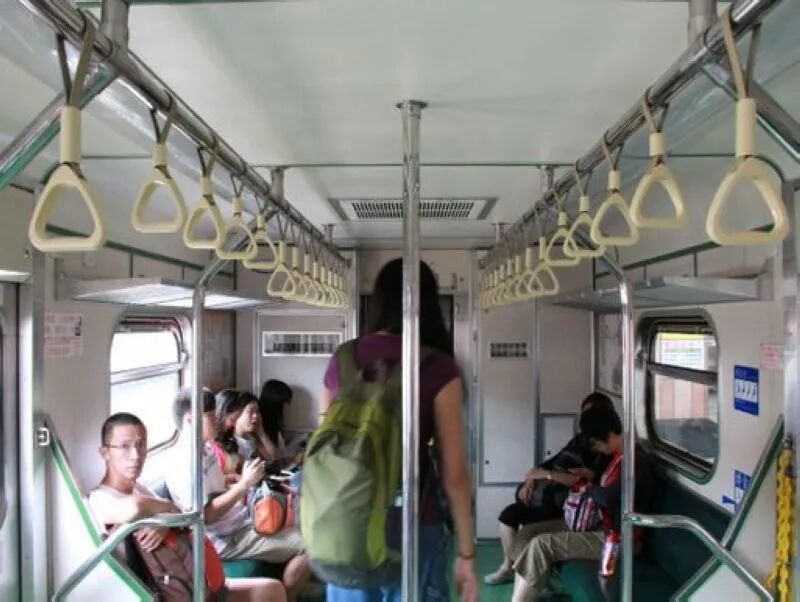
I stood by the door, snapping away at all the gorgeous scenery passing by!
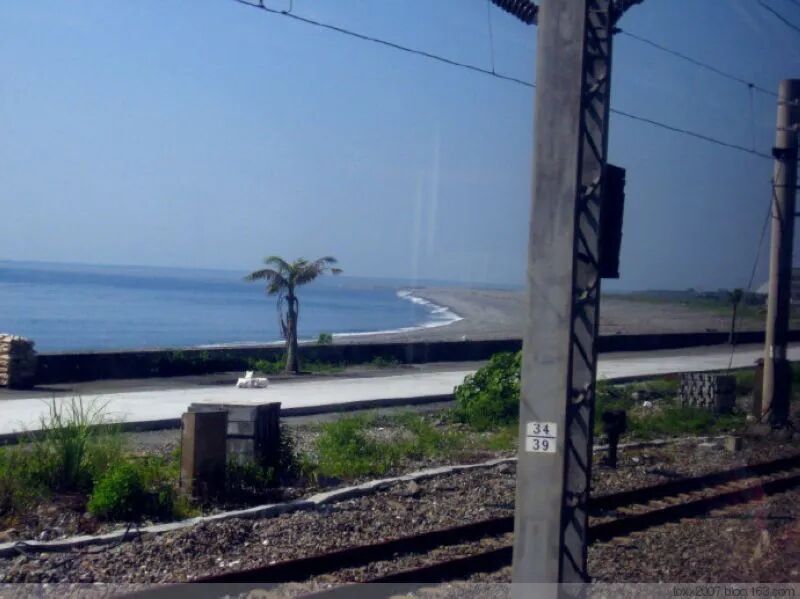
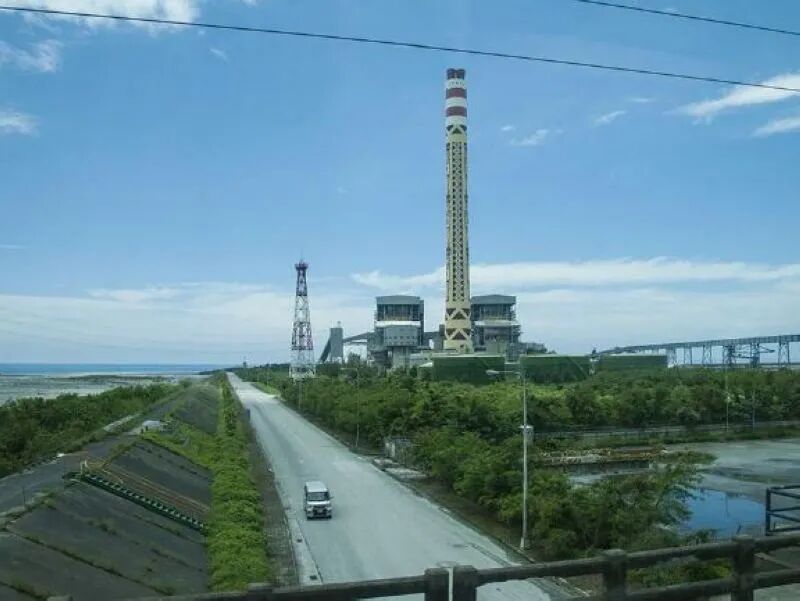
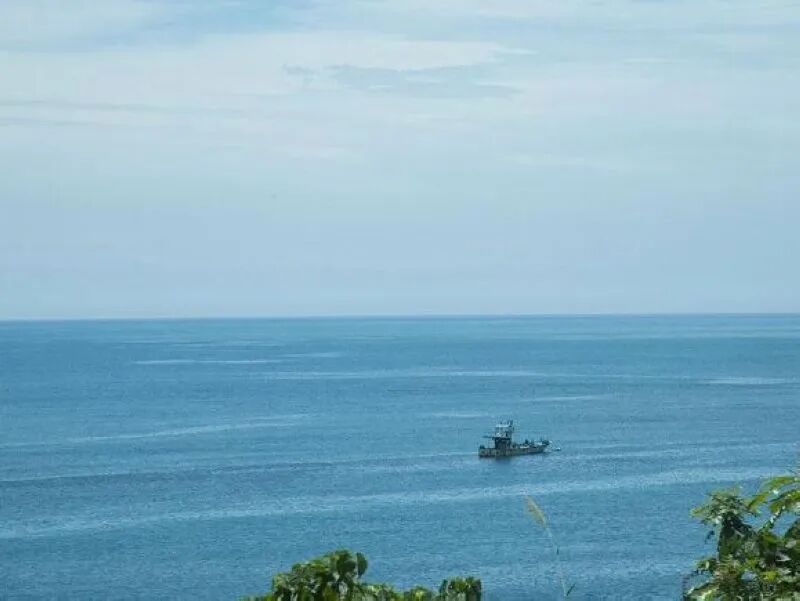
Boom! 9:10 AM, and our train pulled into Xincheng. Time for the next chapter!
A century ago, the indigenous Taroko people staged an uprising to resist the Japanese invasion. These incredible Taroko men, masters of scaling sheer cliff faces, faced down 20,000 well-equipped Japanese soldiers with nothing but hunting rifles and bows and arrows. It was a fierce, primal fight. Though their tribe was nearly wiped out, their indomitable spirit lives on forever. Talk about resilience!
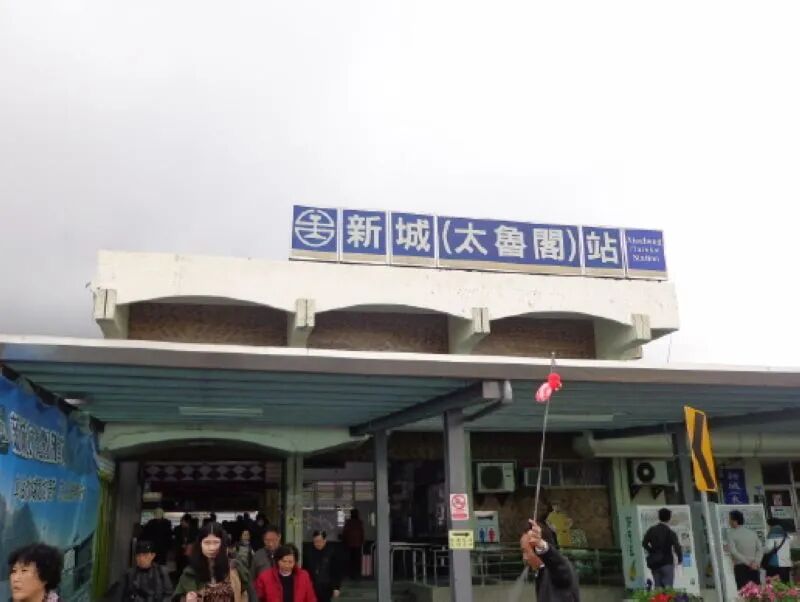
Taroko National Park officially opened its gates in November 1986, with the plan announced on November 12th and the management office established on the 28th. This massive park spans three counties – Hualien, Nantou, and Taichung – with its heart centered around the incredible Taroko Gorge, the Liwu River basin, and the eastern section of the Central Cross-Island Highway. But it’s way bigger than that, also encompassing peaks like Nanhubei Peak, Qilai Ridge, the Hehuan Mountains, Taroko Mountain, the stunning Qingshui Cliffs, and the Sanzhan River basin. Its reach stretches from Qingshui in the east to Hehuan West Peak in the west, from Qilai Main Peak in the south to Nanhudashan in the north, covering a whopping 92,000 hectares! When it comes to sights, you’ve got cool spots like the Eternal Spring Shrine, Swallow Grotto, Jinheng Park, Tunnel of Nine Turns, Motherly Devotion Bridge, and Tianxiang. And for natural beauty, think Zhuilu Old Trail, Liufang Bridge, Dayuling, Buluowan, Shakadang Trail, Lushui Trail, Qingshui Cliff Trail, Baiyang Trail, Huerhanting Trail, Lotus Pond Trail, and Golden Valley. Seriously, it’s an outdoor lover’s paradise!
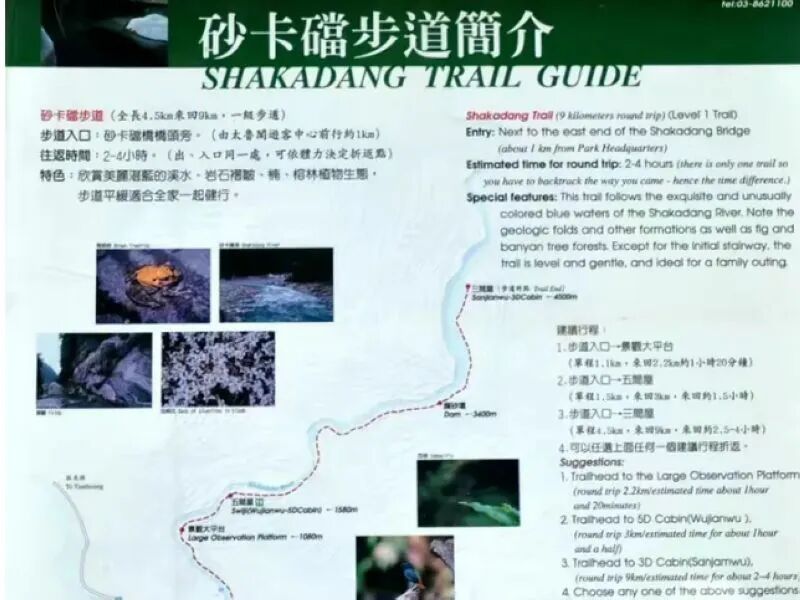
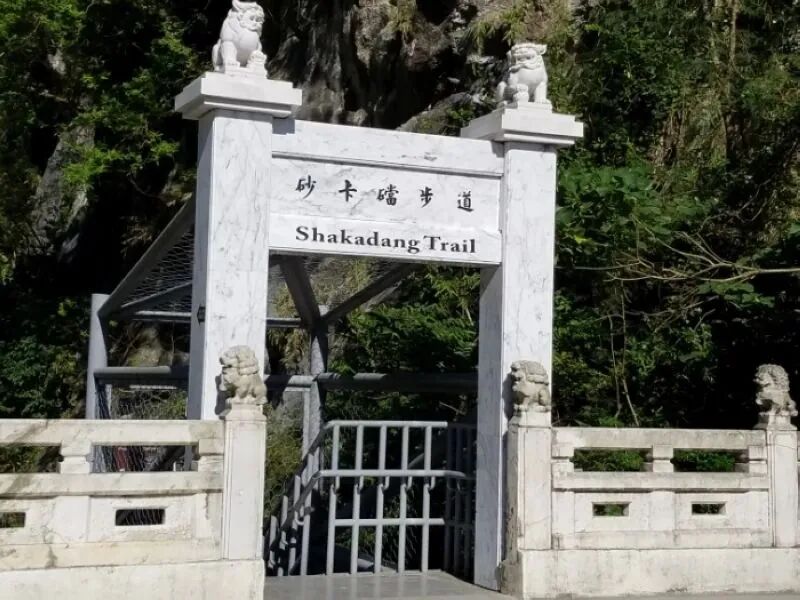
For our visit, we focused on the incredible Shakadang Trail. Tucked away in Hualien, within Taroko National Park, this trail has some cool history. Back during the Japanese occupation, they carved out this 4.4-kilometer long, one-meter-wide path right along the rock face of the Shakadang River to build the Liwu Power Plant. It was originally called ‘Mysterious Valley Trail’ but was later renamed ‘Sgadan,’ which means ‘molars’ in the Taroko language. Once Taroko National Park was established, they revamped it into a scenic trail, beefing up safety features and adding awesome viewing platforms and interpretive signs. These days, the Shakadang Trail is an absolute must-do for anyone visiting Hualien – and for good reason!
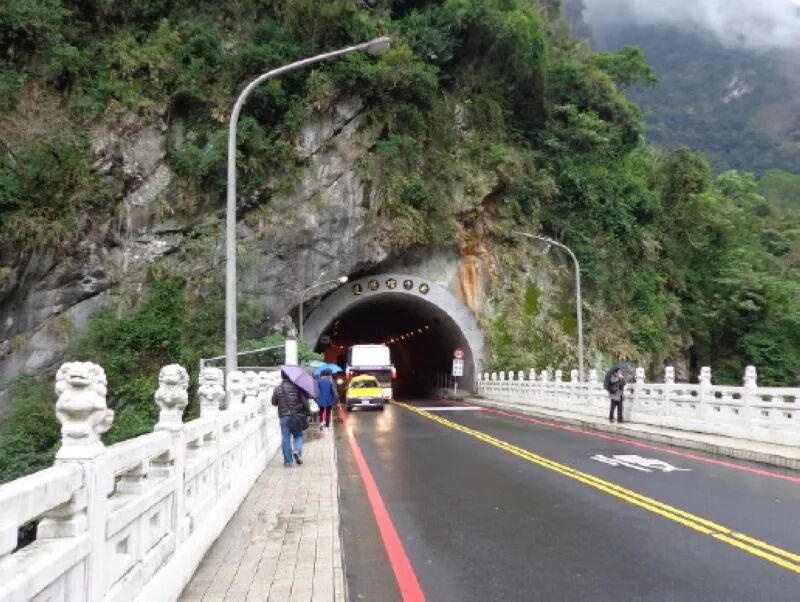
Check out the Hundred Lion Bridge on the Shakadang Trail!
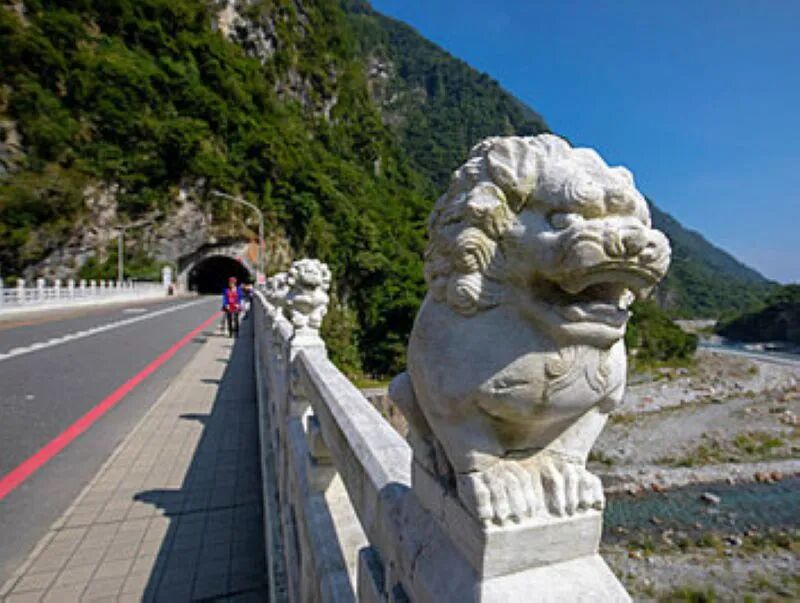
The bridge railings are decked out with a hundred different marble lions, each one uniquely sculpted. It’s pretty wild!
The trailhead? It’s right there at the head of the Hundred Lion Bridge, just to the right of the tunnel entrance.
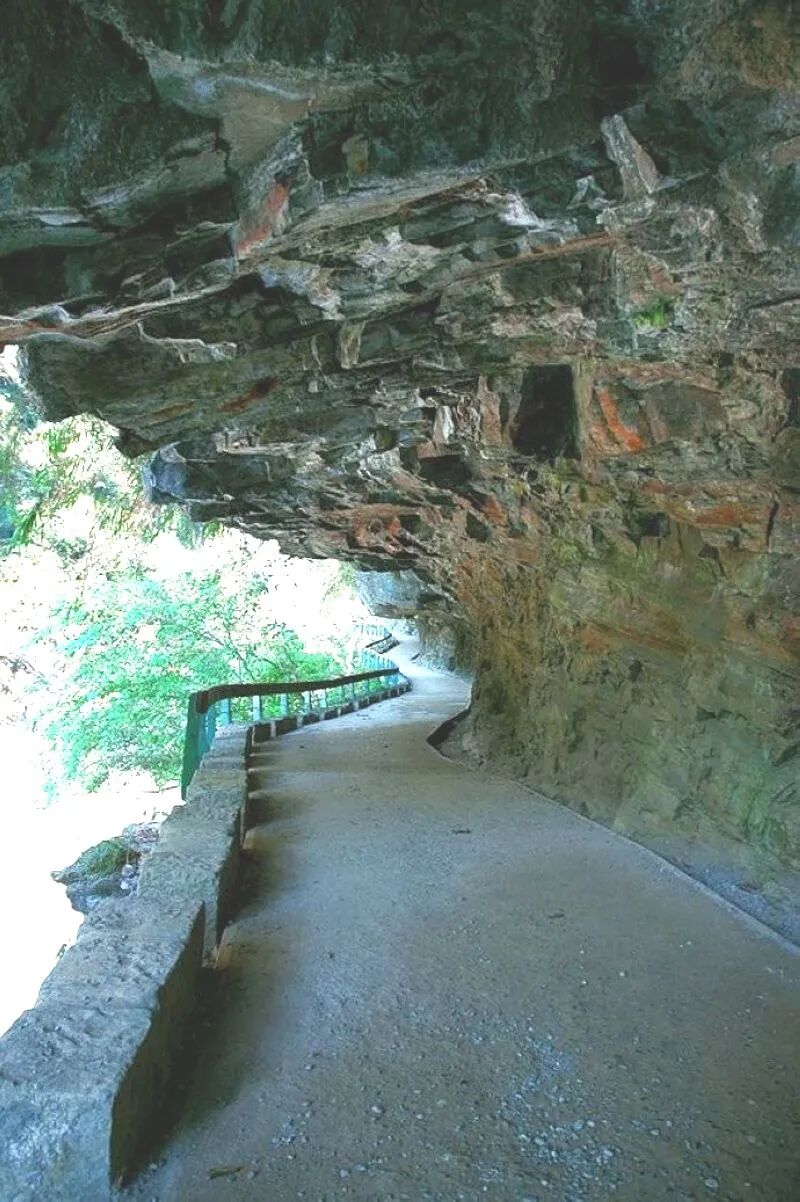
Most of the trail is carved right into the cliffs, an open-air tunnel-like path that’s super unique and adds to the adventure.
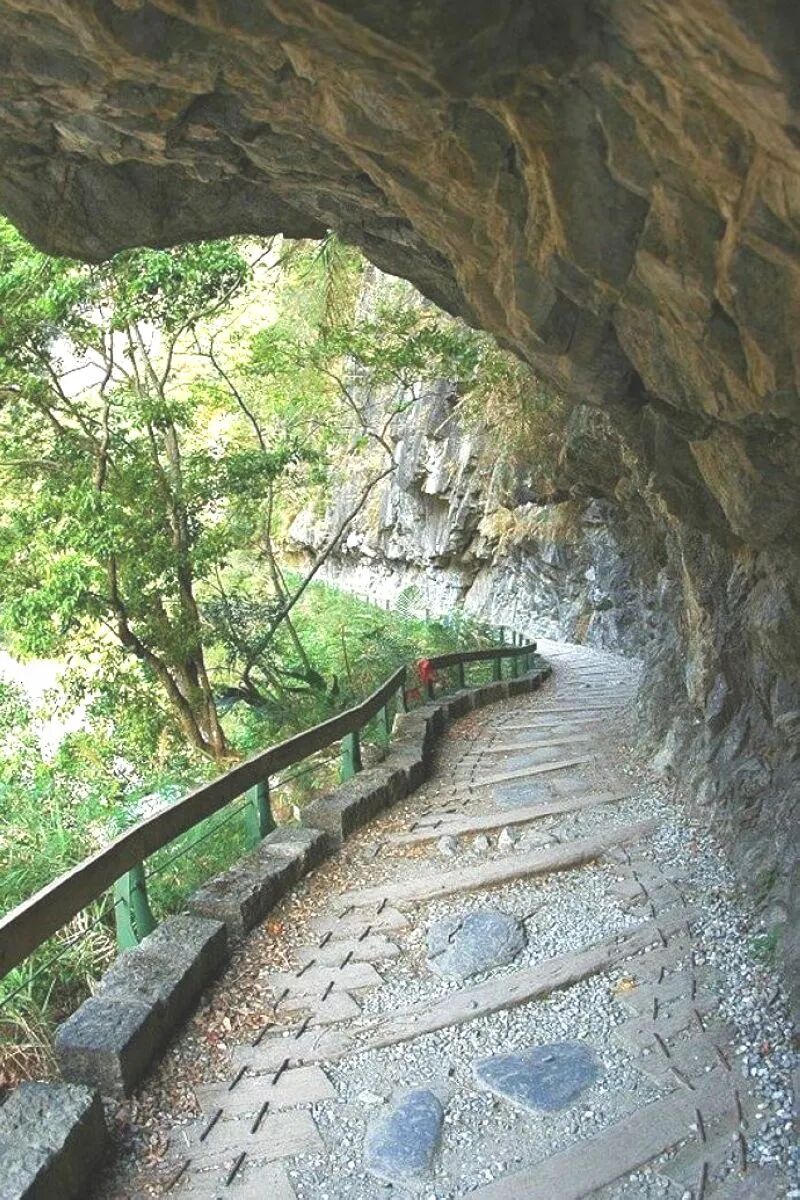
The entire trail follows the Shakadang River, and since it was originally built as a construction road for the old power plant, it’s pretty flat and a breeze to walk. No strenuous climbs here, folks!
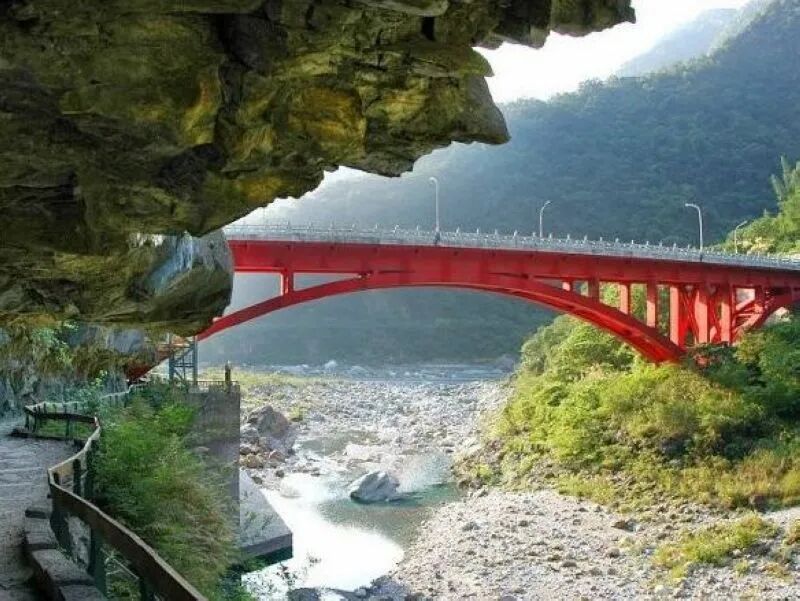
Looking back at the Hundred Lion Bridge from the trail. Pretty cool, right?
The trail also boasts over a dozen viewing platforms of all sizes, so you can always hit pause, take a breather, and just soak in the views. Trust me, you’ll want to!
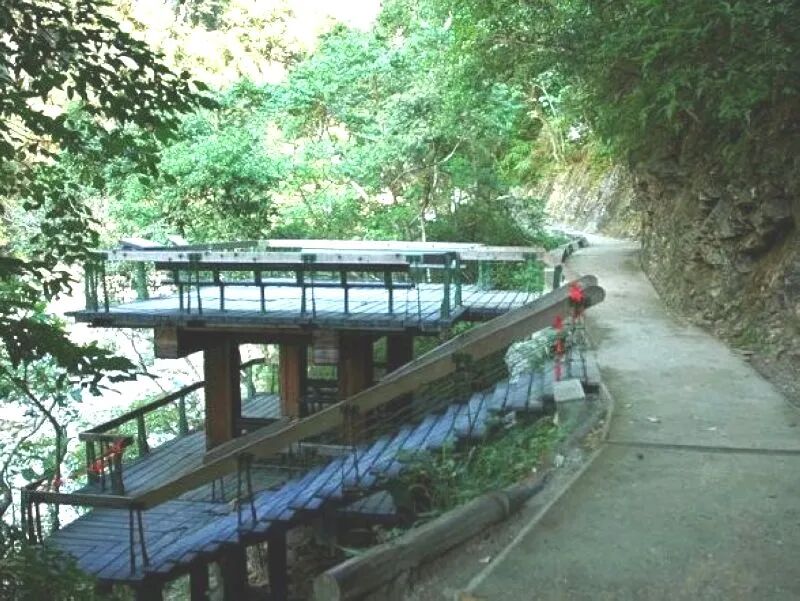
The Shakadang River water is perpetually crystal clear and emerald green, a stunning sight year-round. Millions of years of carving and erosion have sculpted the rocks into these incredibly elegant, mesmerizing folds. The scenery here is just breathtaking, totally soul-refreshing – you’ll feel like you’ve stumbled into a real-life fairyland!
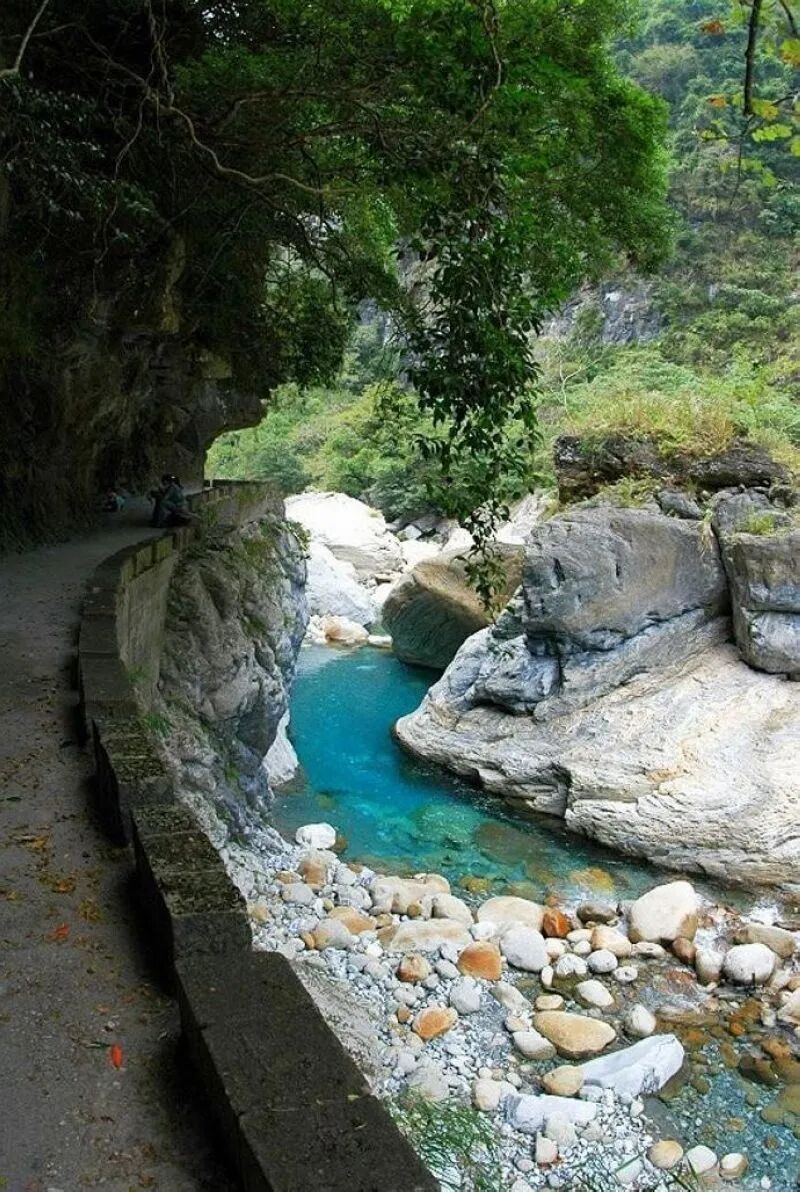
The rocks are adorned with these beautifully varied patterns, playing off the flowing river and lush greenery to create this incredible natural masterpiece – a true ‘water-stone painting’ that showcases the sheer artistry of nature.
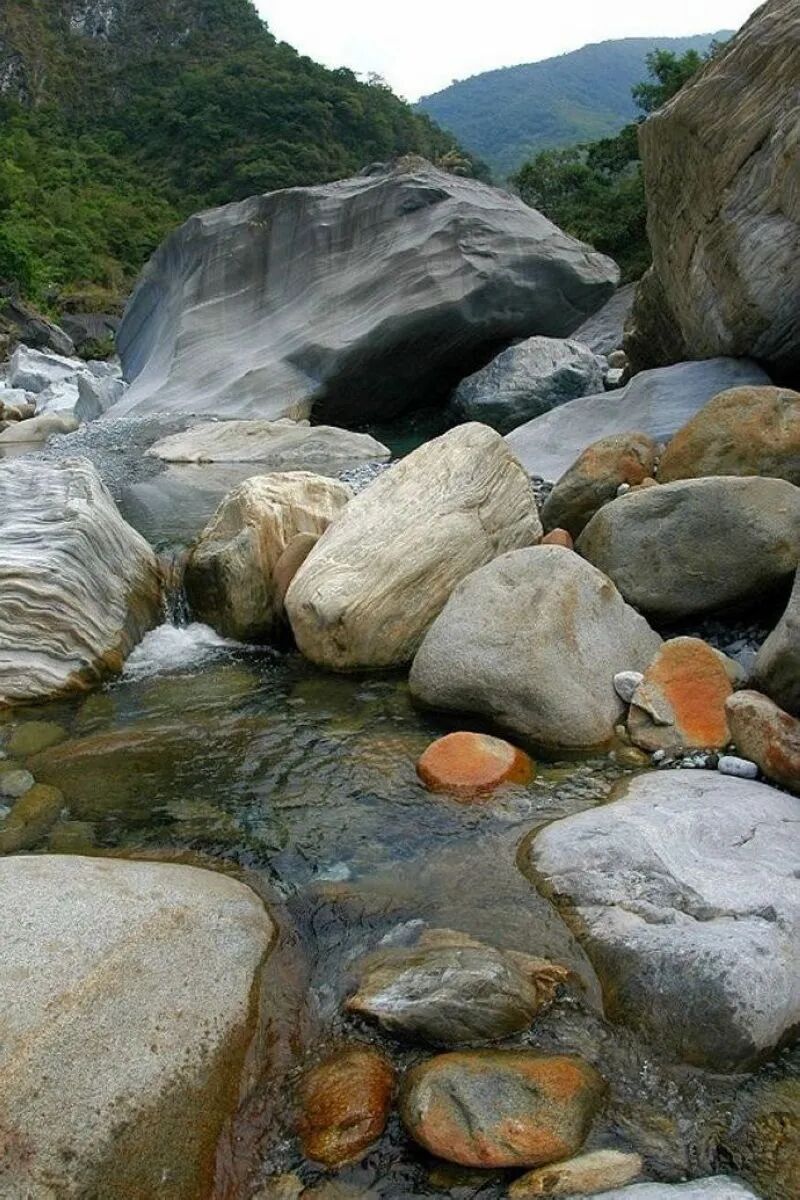
Over eons, time has meticulously etched these unique, ever-changing folds into the marble rock layers. Seriously, if you take a moment to really look and let your imagination run wild, it’s absolutely magical – words can’t even describe it!
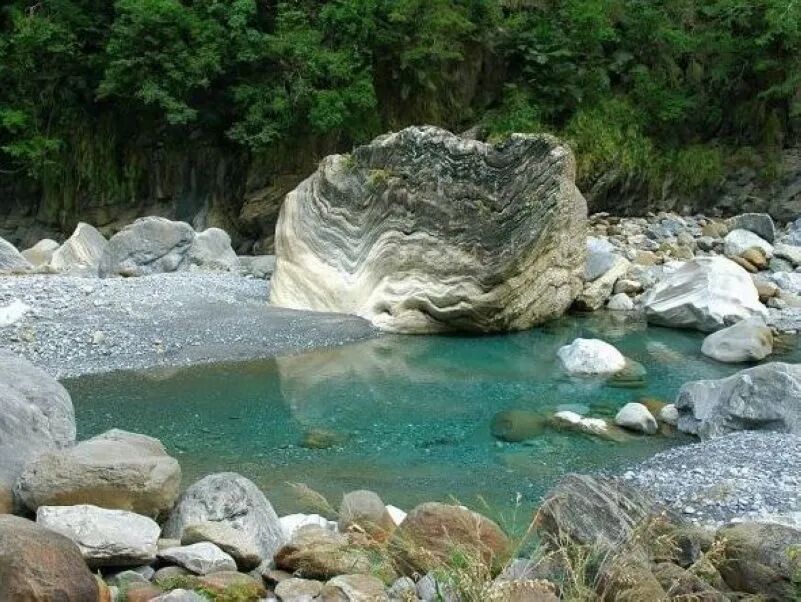
The way the marble layers are folded and twisted? It’s like gazing at some epic, abstract rock mural. Mother Nature’s got skills!
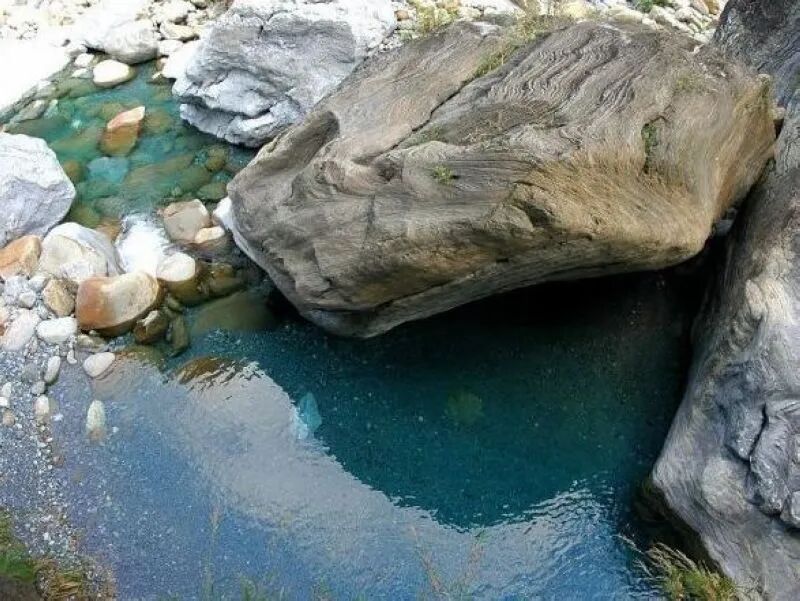
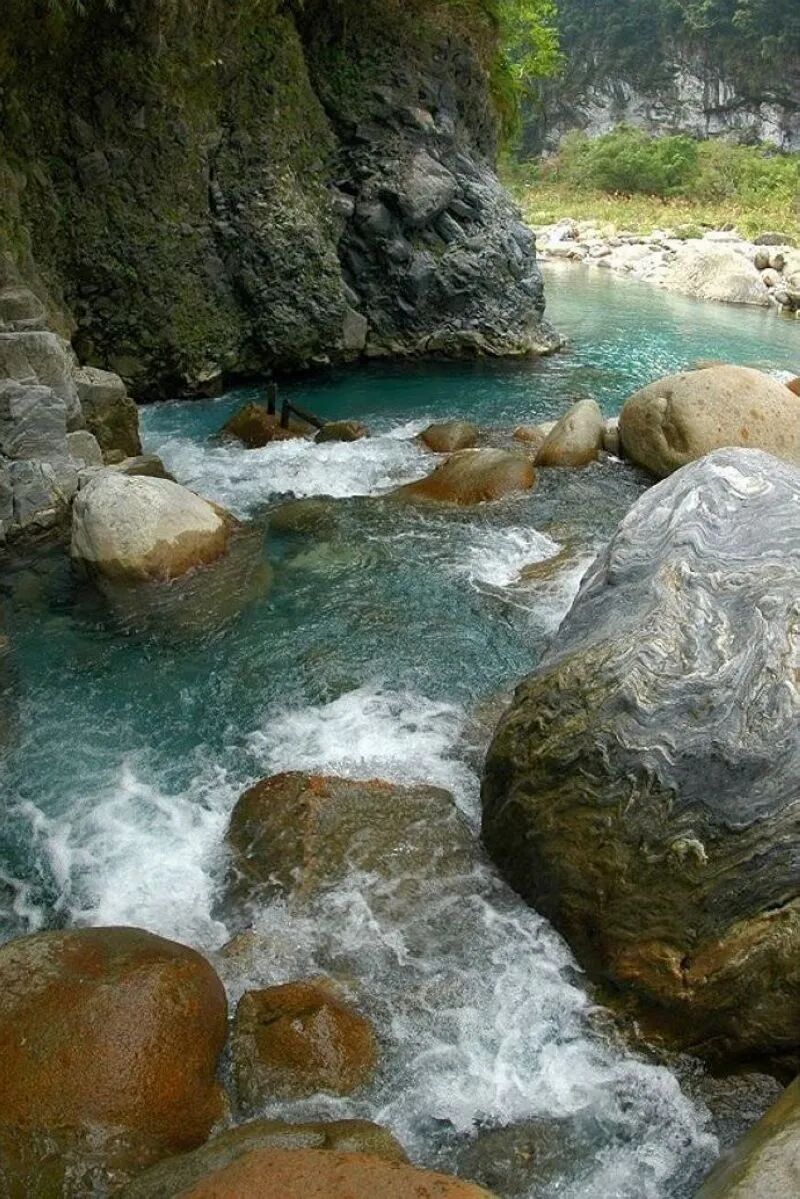
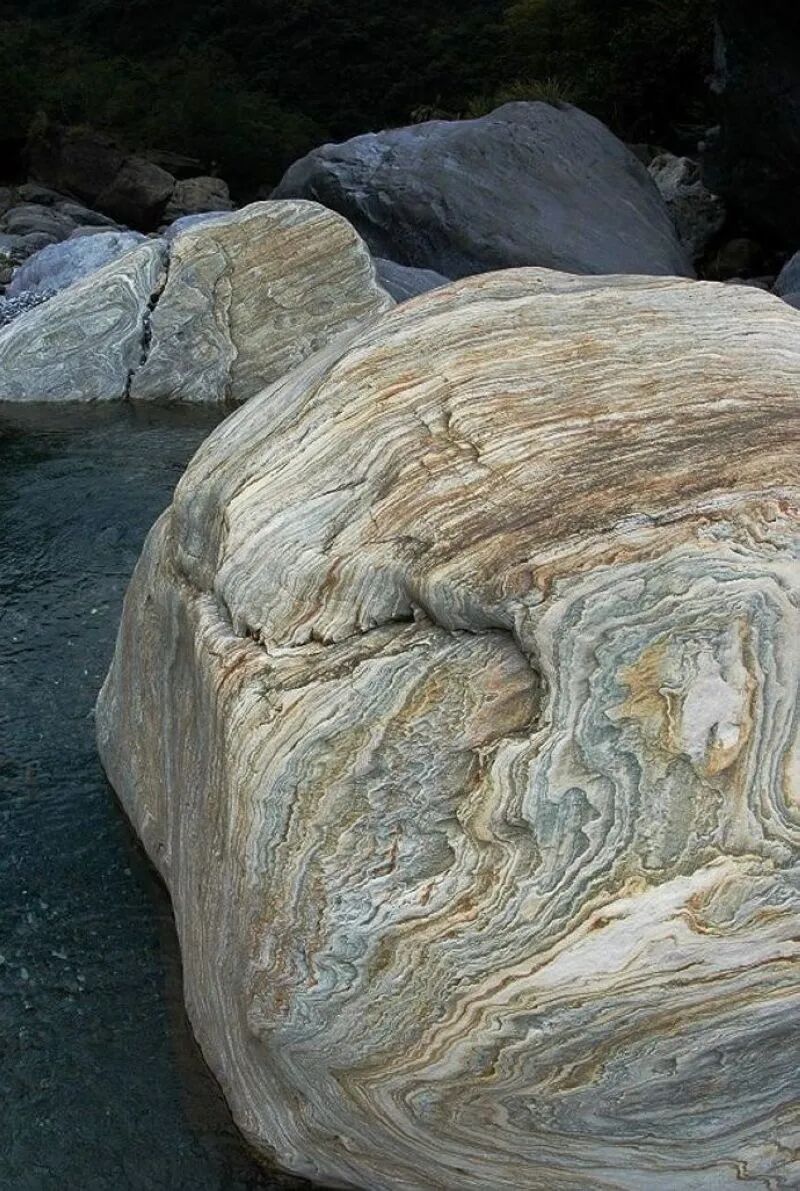
As the water flows, it leaches calcium carbonate from the marble, creating these stunning jade-green and deep-blue pools. The beauty of water and stone? It’s all right here in Shakadang.
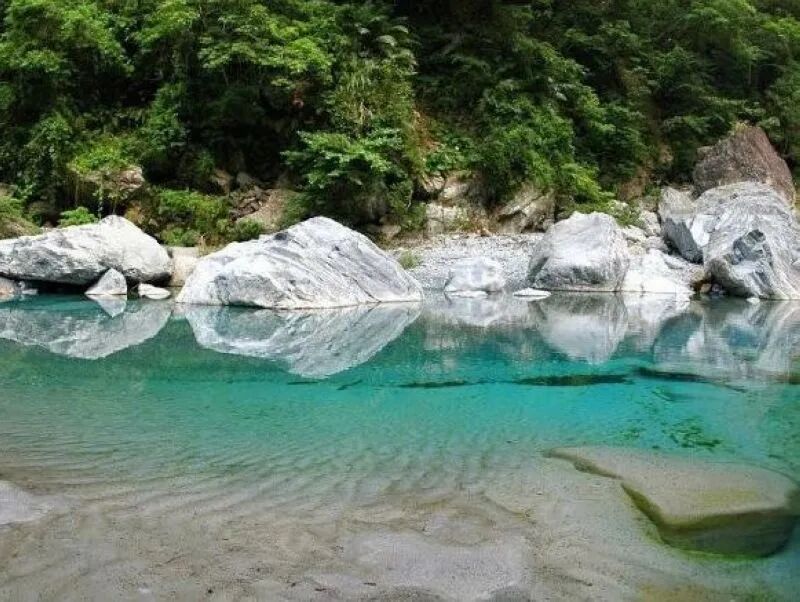
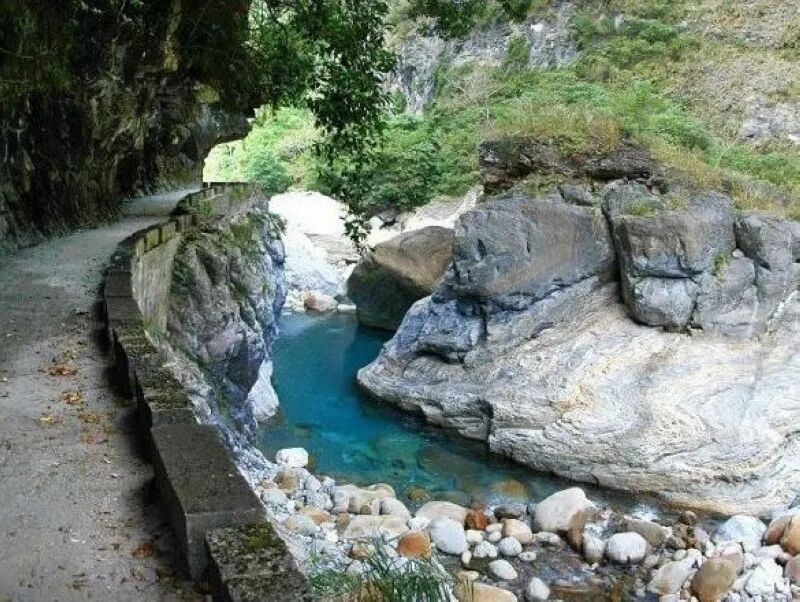
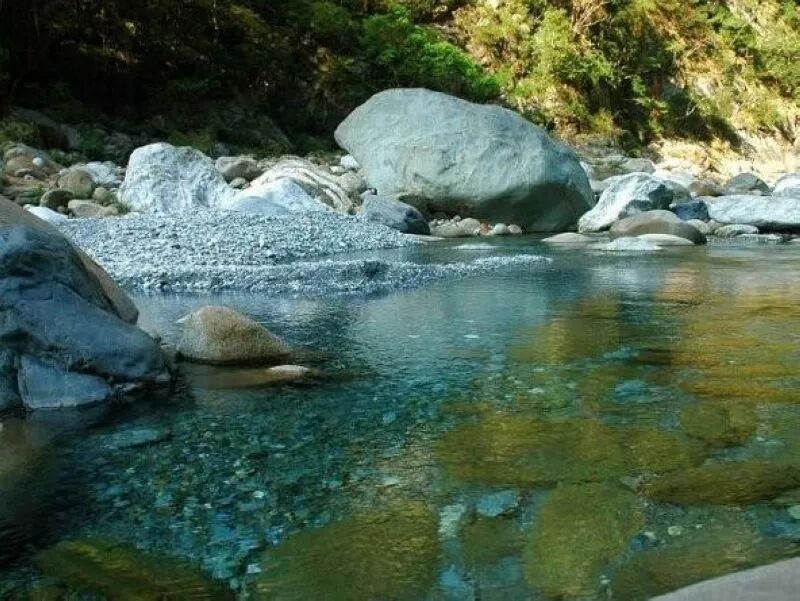
The riverbed is piled high with all sorts of rocks, big and small. That’s because the Shakadang River is pretty short, so when rocks tumble down, they haven’t had enough time to roll long distances and get smoothed into smaller pebbles. It’s a raw, untamed beauty!
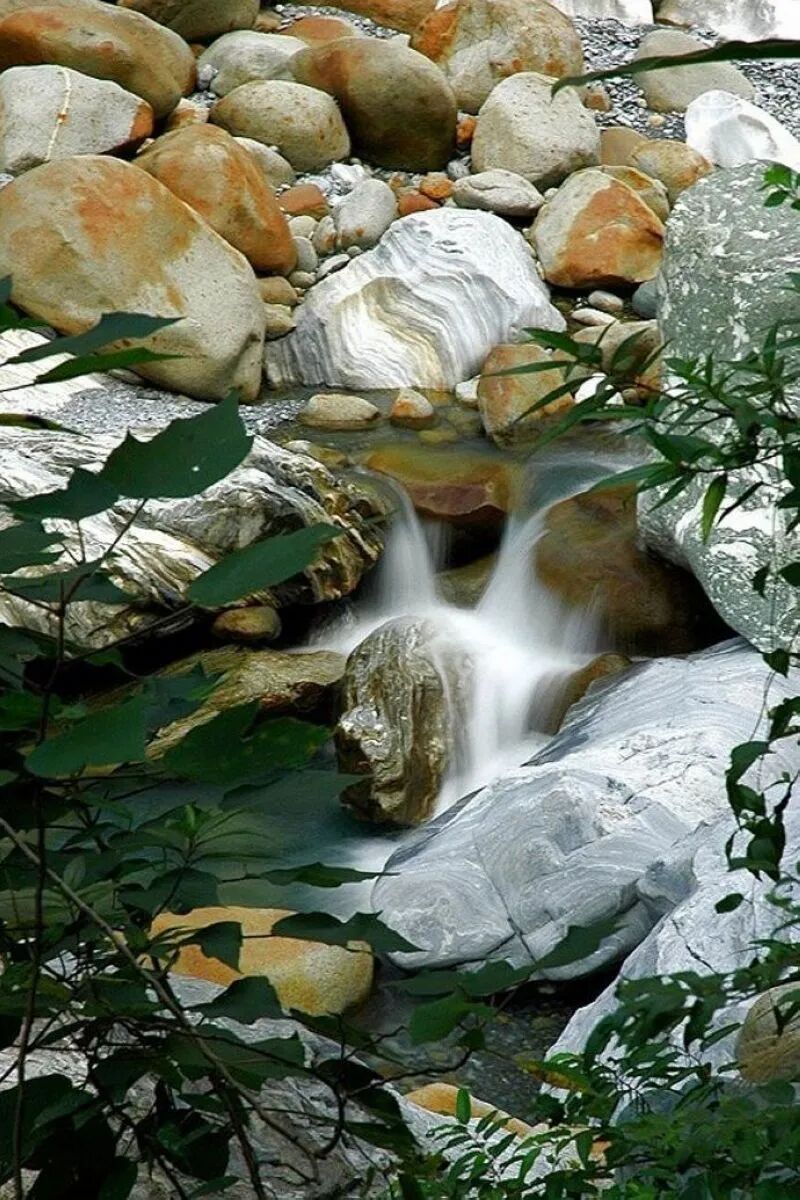
With those cloud-like patterns on the cliff faces and the crystal-clear waters of the Shakadang River, there’s this profound sense of peace and tranquility everywhere you look. It’s pure zen!
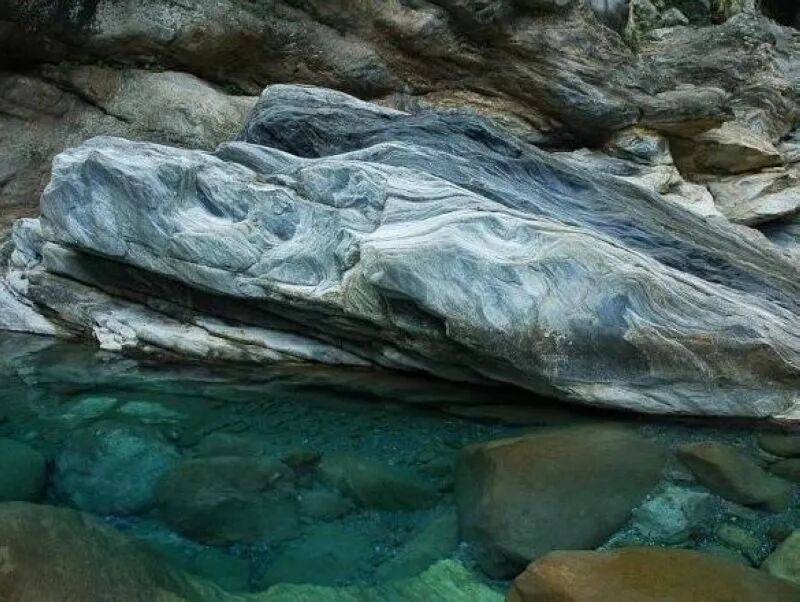
The sight of that white marble canyon and the serene, clear deep pools is just captivating. And that emerald-green river water? It honestly gives off this vibe of majestic elegance. Truly a sight to behold!
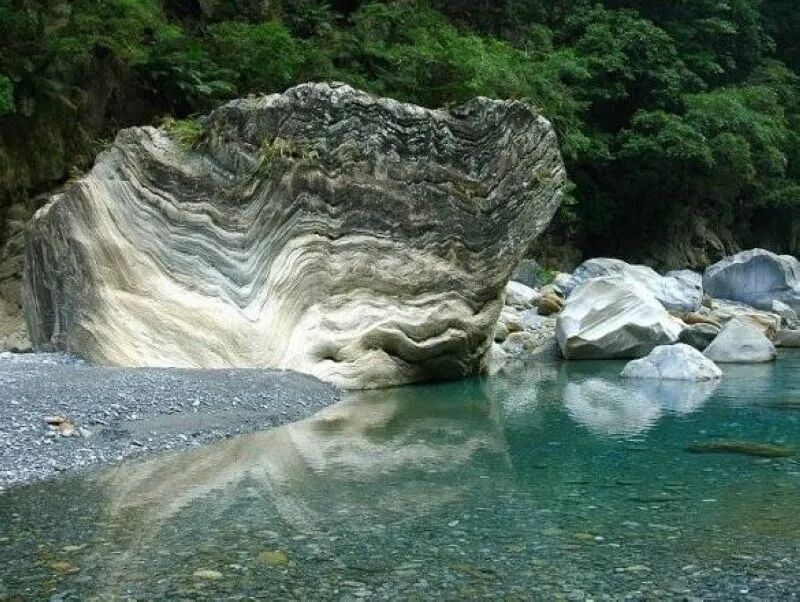
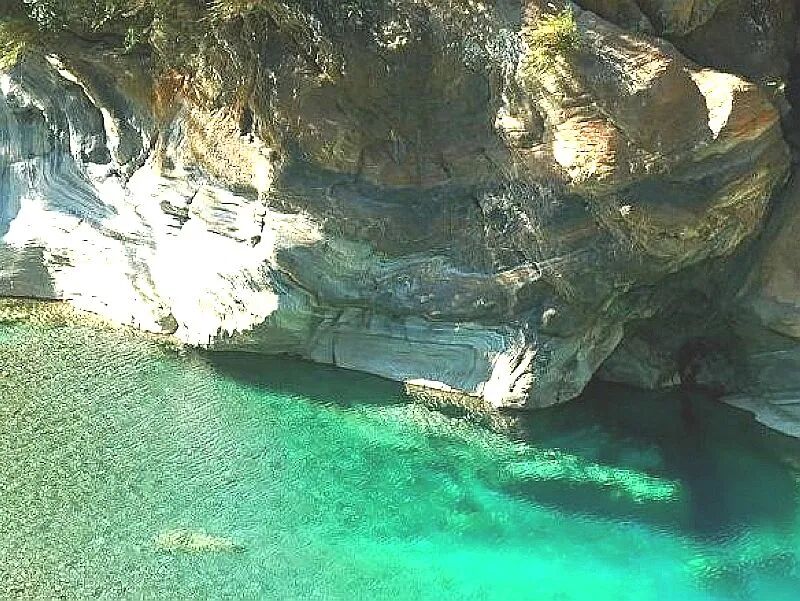
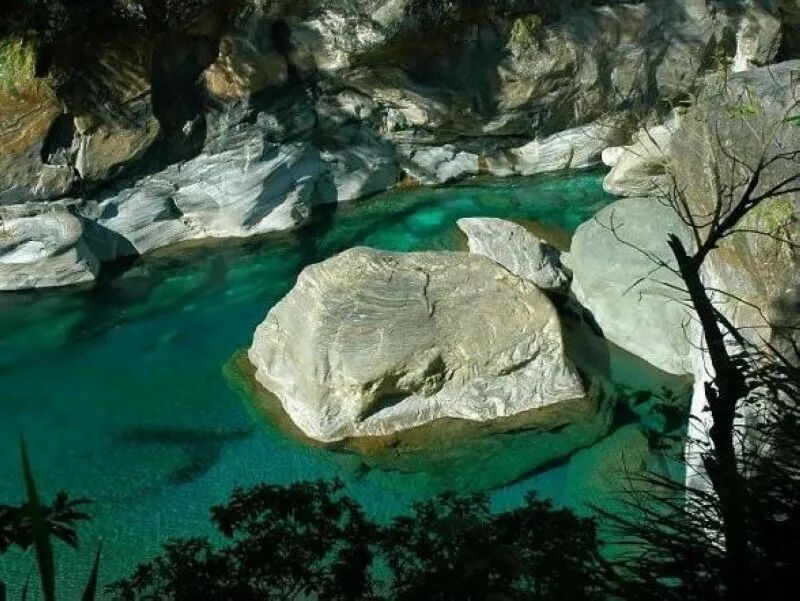
The Shakadang Trail is only open up to the ‘Five Houses’ (Wujianwu) area, about 1.5 kilometers from the entrance. After that, it’s a simple turnaround and back the way we came. Still, totally worth every step!

More Stories
Yilan Ranch: Where Taiwan’s Cutest Critters and Family Fun Collide!
Yilan: Your Epic Escape to Taipei’s Backyard Playground! (Lanyang Museum & Must-Try Taro Ice Cream)
Taitung’s Chishang: Where Pure Oxygen Meets Golden Rice Fields (And Epic Eats!)