




Taiwan is packed with amazing places! If you’re a city lover, you’ve got to check out its two big urban hubs: Kaohsiung down south and Taipei up north. This time, I’m spilling the tea on Taipei’s top 10 must-see attractions. Get ready to explore!
Below, I’ve gathered all the deets on Taipei’s top 10 essential spots. Hope this helps you plan your epic trip!
Yangmingshan National Park
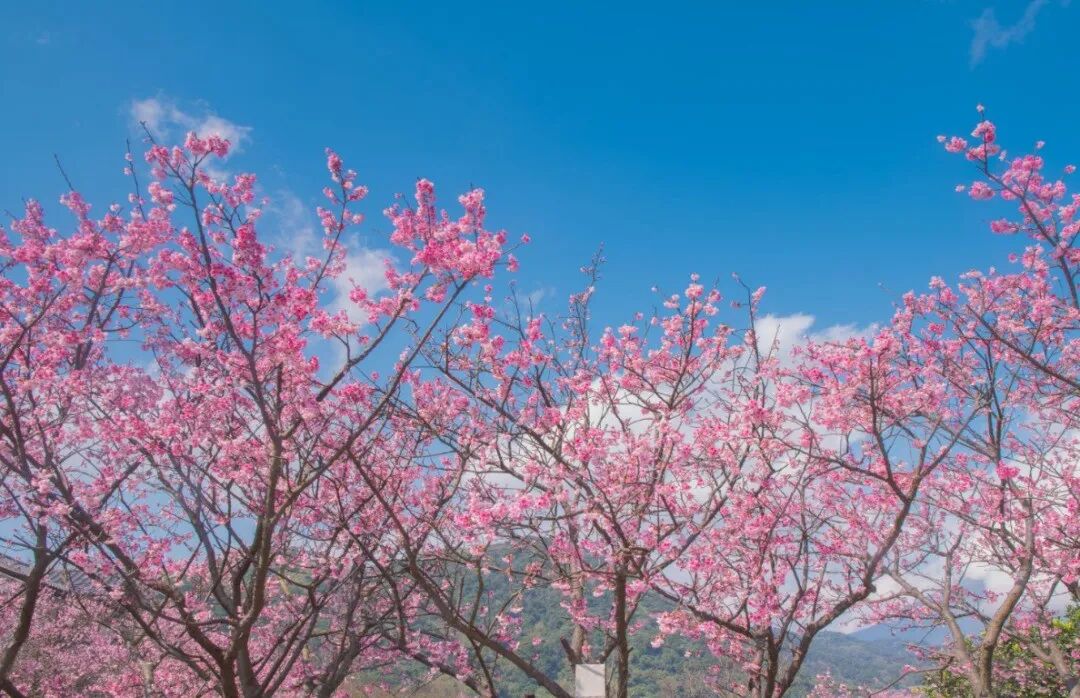
First up, Yangmingshan National Park! This beauty used to be called “Daiton National Park” way back in the day. You’ll find it nestled in Beitou District, Taipei, right by Zhuzihu. What makes it special? Its awesome volcanic landscape, thanks to the Datun Volcano Group. It’s actually Taiwan’s smallest National Park, but also the most famous. Inside, you can explore spots like Xiaoyoukeng, Lengshuikeng, Datun Recreation Area, Erziping, Qingtiangang, Yangmingshan Residence, Lin Yu-tang House, Longfenggu, and Lucao Mountain Ecology Protected Area. So much to see!

Chiang Kai-shek Memorial Hall
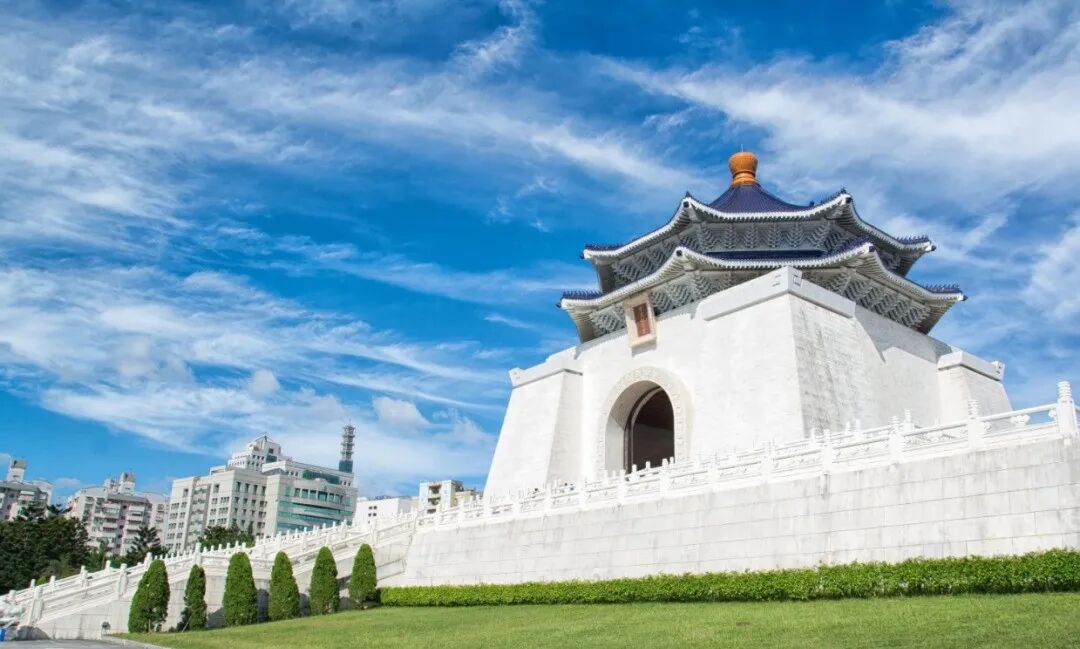
Next, we’re heading to the heart of Taipei: Chiang Kai-shek Memorial Hall. It’s designed with a classic Chinese garden vibe. Think elegant window lattices and serene blue and white architecture, symbolizing freedom and equality. This place feels super grand. Its style blends the ‘Temple of Heaven’ roof with a pyramid-like body. The main building boasts white marble walls. A stunning blue-tiled, golden-glazed octagonal roof tops it off. This octagon represents eight virtues: loyalty, filial piety, benevolence, love, faithfulness, righteousness, harmony, and peace. It’s a ‘heaven-and-man-united’ kind of philosophy. A major highlight is the hourly changing of the guard ceremony. Right on the hour, the honor guard marches from the ground floor. They proceed to the elevator and ascend to the bronze statue hall on the fourth floor. It’s a truly solemn and impressive 10-minute ritual. You’ll only hear their steady footsteps and sharp commands. Afterward, visitors can snap photos from behind the railing. Don’t miss it!
Qixing Mountain
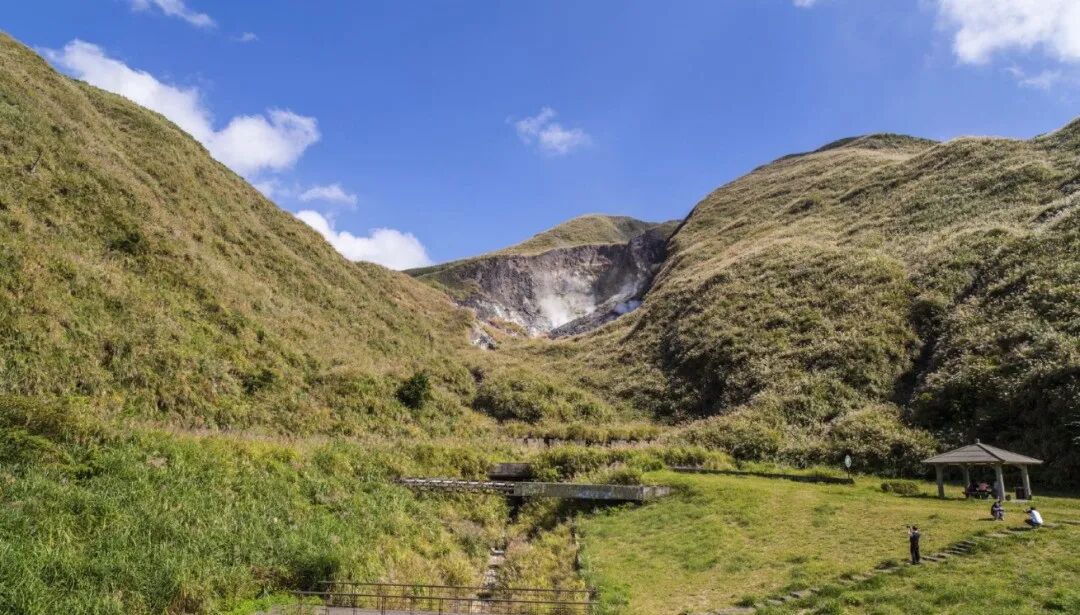
Let’s talk about Qixing Mountain, located right within Yangmingshan National Park. Standing tall at 1,120 meters, it’s the highest peak of the Datun Volcano Group. In fact, it’s Taipei’s tallest mountain overall! Up top, you’ll find an observation deck. It offers the best panoramic views in Yangmingshan National Park. The scenery is absolutely breathtaking and crystal clear. It’s truly a fantastic spot for hiking near Taipei. And don’t forget Dream Lake! It’s not huge, but it’s magical. In summer, the clear blue water reflects the trees beautifully. Come winter, layers of mountain mist gather over the lake. This creates an even more captivating scene. Plus, the lakebed is super rich in humus. This unique soil nurtures a one-of-a-kind endemic plant: the Taiwan Quillwort. Pretty cool, right?
Taipei 101
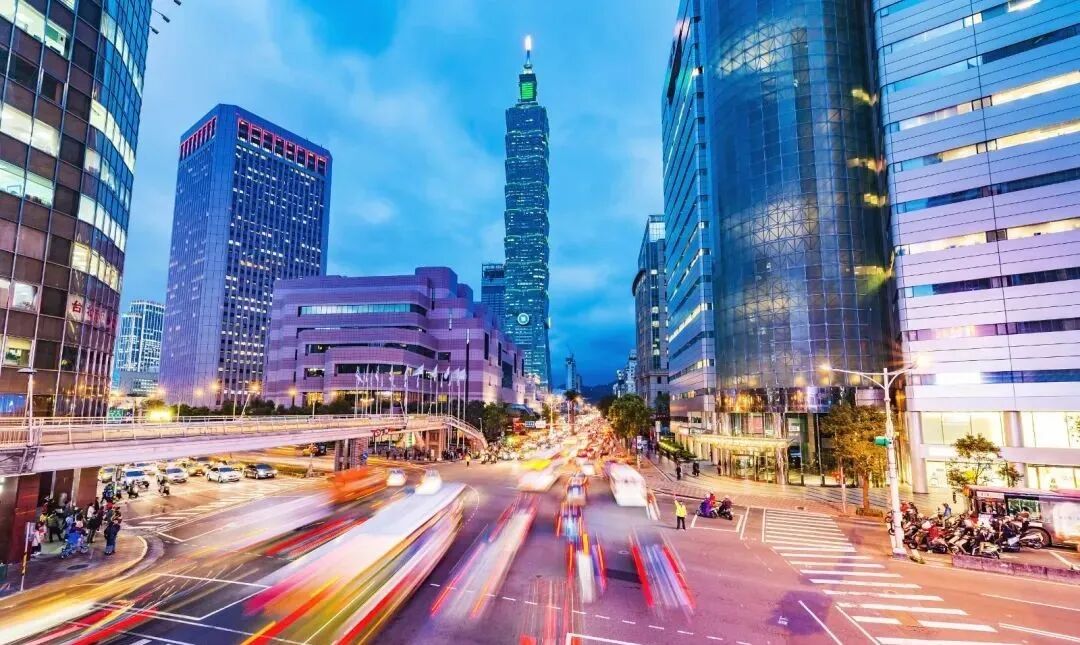
Time to hit up Taipei 101, an absolute icon of the city! This massive building is a triple threat: offices, an observation deck, and a shopping mall. Taipei 101 covers 1.53 million square meters, with a building area of 398,000 square meters. It soars to 508 meters high. The complex includes a 101-story office tower. There’s also a 6-story commercial podium and 5 underground levels. Each 8 floors form a structural unit, stacking up like bamboo. The podium is home to an amazing shopping center. On the 89th floor, you’ll find an indoor observation deck. For even more thrills, head to the 91st floor for an outdoor viewing experience. Plus, there are seven 40x telescopes scattered around. Get ready for some incredible city views!
National Palace Museum
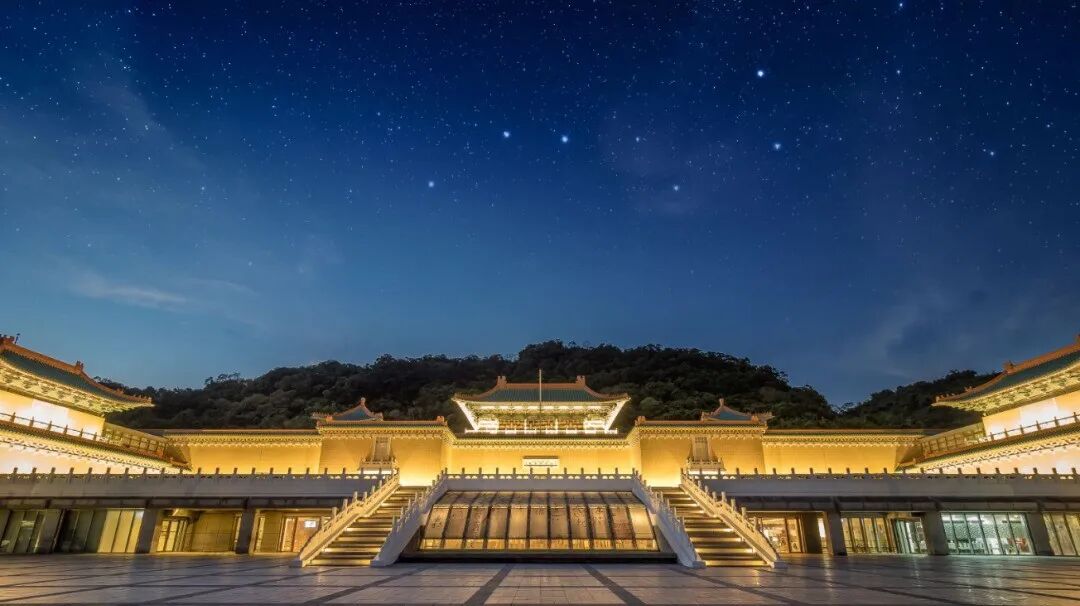
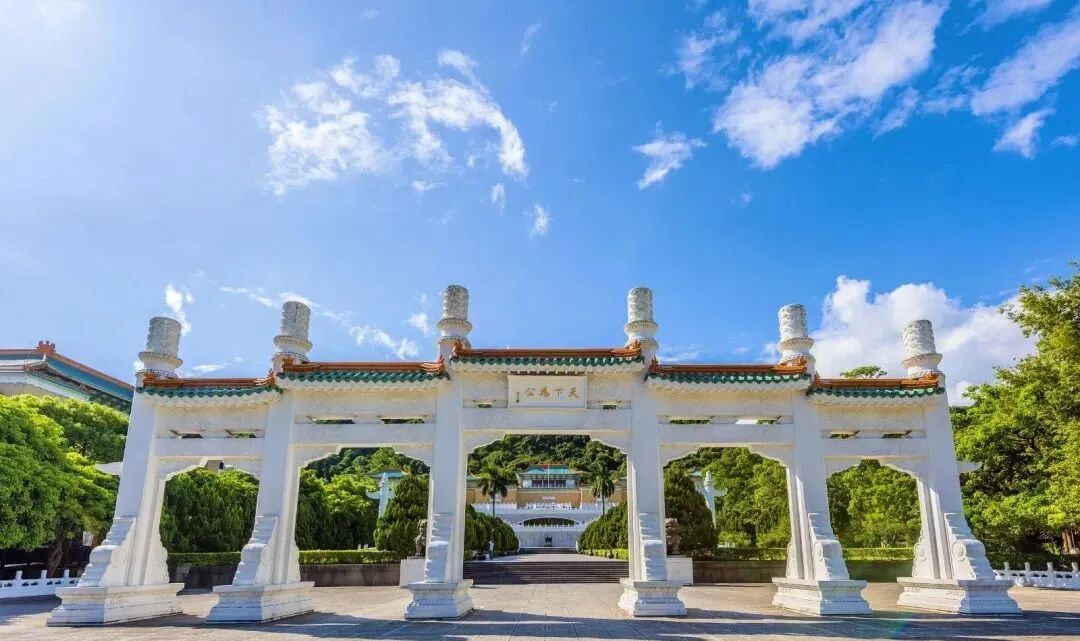
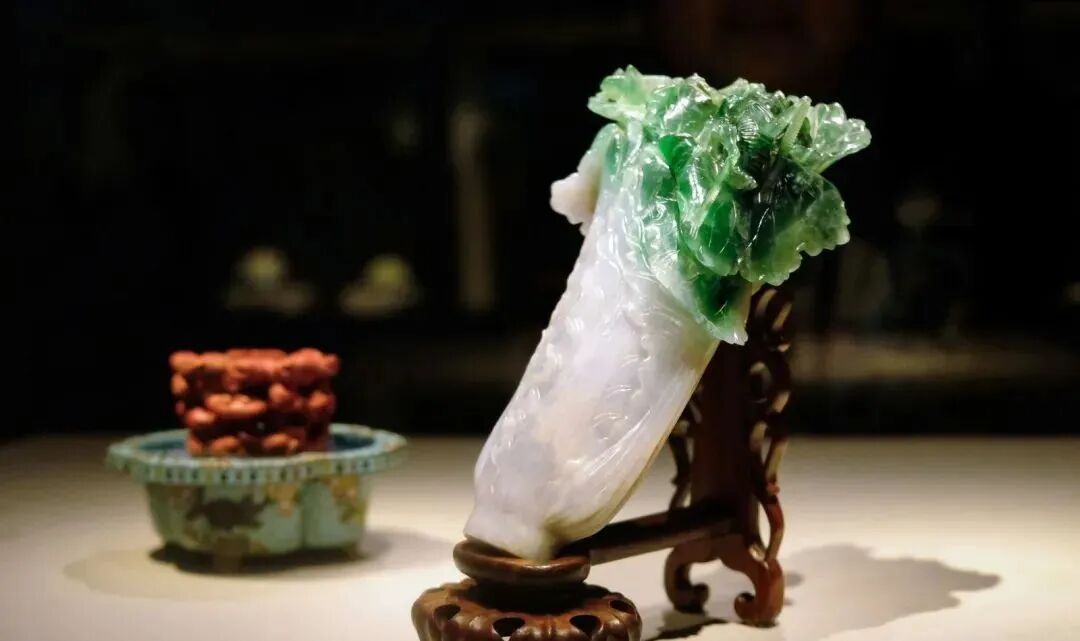
Next on our list is the National Palace Museum, also known as Taipei’s Forbidden City or the Zhongshan Museum. This isn’t just any museum; it’s one of China’s largest comprehensive museums. It’s also one of Taiwan’s biggest, and a key hub for studying ancient Chinese art history and Sinology. Construction began in 1962, and it was finished in the summer of 1965. It covers a sprawling 16 hectares! The museum itself mimics traditional Chinese palace architecture. It’s a four-story main building with striking white walls and green glazed tiles. The main courtyard is even shaped like a plum blossom! Out front, a grand five-bay, six-pillar archway stands tall. The entire structure is solemn yet elegant. It truly bursts with national character. Prepare to be wowed!
Longshan Temple
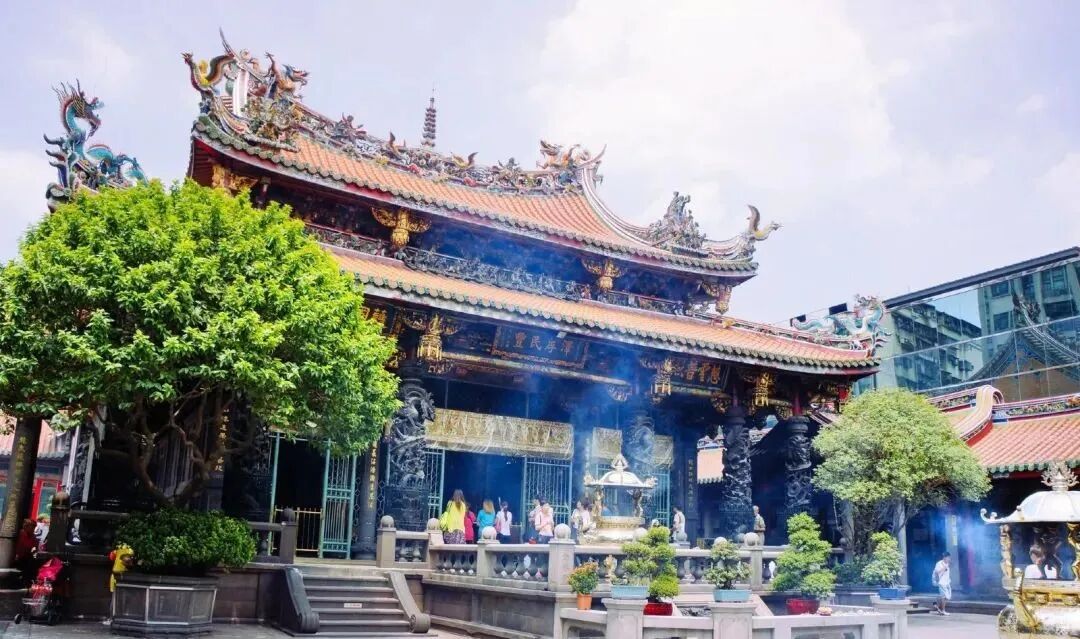
Let’s explore Longshan Temple, located southwest of Taipei, right by the Tamsui River. This temple was first built in 1738 and completed by 1740. The area was originally called “Monga” (now Wanhua). This was actually the birthplace of Taipei City itself! Many deities are enshrined here. The main deity is Guanyin Bodhisattva, also known as Anhai Guanyin. Every year on the 19th day of the second lunar month, a grand festival celebrates her birthday. The original structure was damaged by earthquakes and storms during the Jiaqing and Tongzhi periods. Most of the current buildings were rebuilt between 1920-1926. Further expansions happened from 1953-1965. Make sure to check out the two bronze pillars on either side of the main entrance steps. They are original artifacts and super important works of art. Truly a spiritual and historical gem!
Yangmingshan
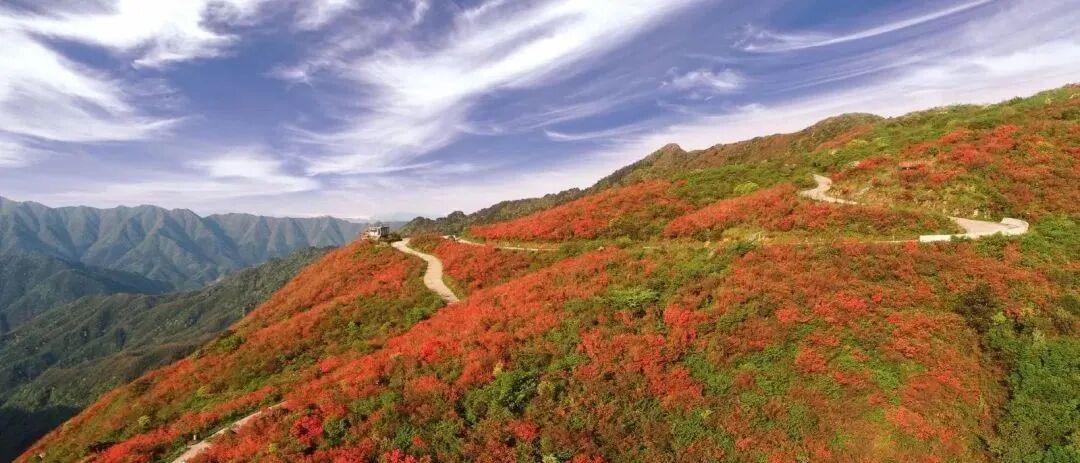
Now, let’s talk more about Yangmingshan itself. It’s a gorgeous mountain located right outside Taipei City. You’ll find it northeast of Mt. Shamao, in the upper valley of the Huangxi River. This spot is a famous tourist destination in Taiwan. The area boasts stunning green hills and valleys. Open fields are covered with cherry blossoms and azaleas. You can also find attractions like Zhongshan Hall, Zhongshan Park (Qianshan Park), and Yangmingshan National Park here. Chinese Culture University is also located on its slopes. Yangmingshan was originally called Grass Mountain. Later, Chiang Kai-shek renamed it to honor Wang Shou-ren (Wang Yangming), a Ming Dynasty philosopher he admired. This mountain sits south of Qixing Mountain, the highest peak of the Datun Volcano Group (1,120 meters or 3,674 feet). It’s truly a beautiful and scenic place to visit!
Xingtian Temple
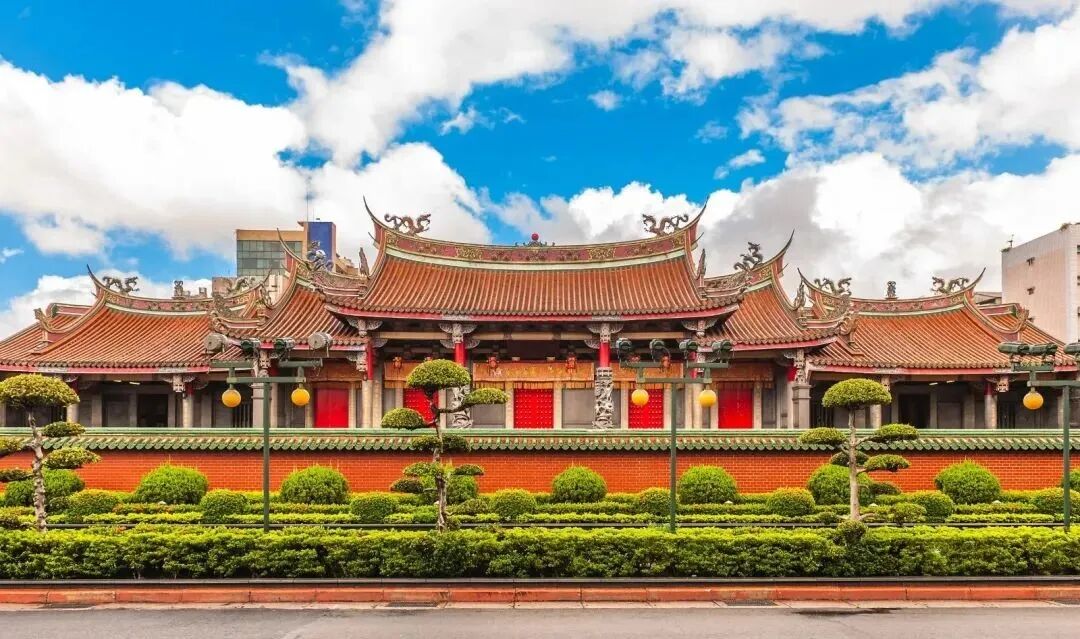
Next up, Xingtian Temple! Folks also call it Enzhugong Temple, or just Enzhugong. You’ll find it at the intersection of Minquan East Road and Songjiang Road. It was completed in 1967. The main deity here is Guan Sheng帝君, widely known as “Lord Guan” or “Emperor Guan.” He was originally revered by Confucians. Over time, he became a popular folk deity. Soldiers honor him as the God of War, while merchants worship him as the God of Wealth. He holds a significant place across Confucianism, Buddhism, and Taoism. He basically oversees good and evil in the human world. For a bustling city like Taipei, Lord Guan’s role as a wealth god is especially celebrated. He’s revered as the patron saint of business. You’ll always find many devout worshippers here. The temple is constantly filled with fragrant incense smoke. It’s a truly vibrant spiritual hub!
Zhinan Temple
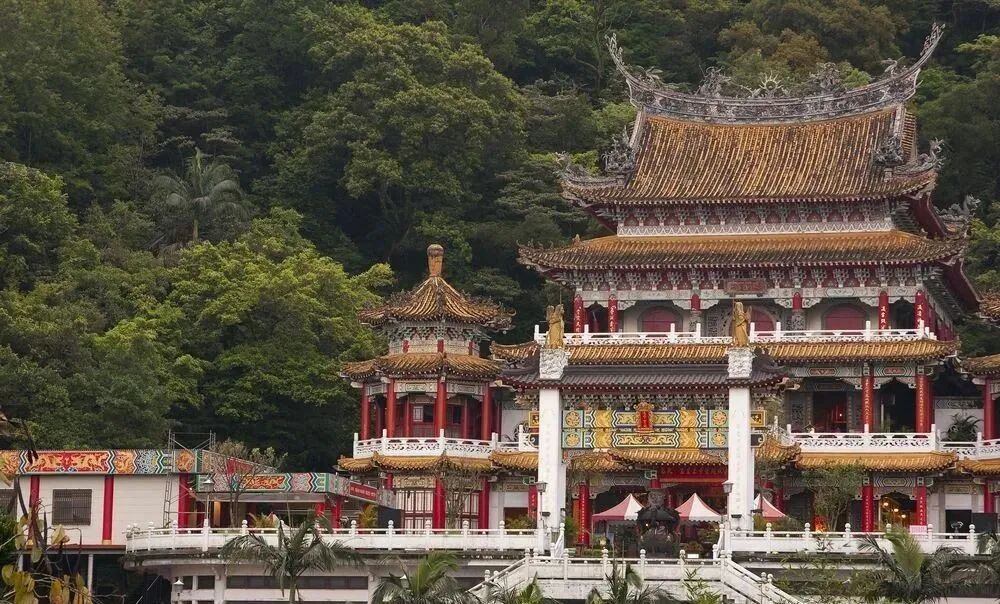
Let’s journey to Zhinan Temple, often called “Xiangong Temple” by locals. It was built way back in 1890 during the Qing Dynasty. This famous Taoist sanctuary primarily honors Lü Dongbin. The temple complex is divided into four main sections. There’s the Main Hall, the Lingxiao Treasure Hall, the Mahavira Hall, and the Dacheng Hall. The Main Hall, or Fuyou Emperor Hall, is the oldest part of the temple. Head left through the Nantianmen Archway to reach the Lingxiao Treasure Hall in the back. Its architecture is grand, with exquisite carvings and paintings. It’s truly a magnificent sight! To the right-rear of the Main Hall is the Mahavira Hall. This hall houses a statue of Sakyamuni Buddha, a gift from Thailand. It’s a golden-domed building with several Buddha statues embedded around it. This makes it Zhinan Temple’s most imposing structure. Finally, the Dacheng Hall is at the very back. It enshrines Confucius, Mencius, Zengzi, and the Three Emperors Yao, Shun, and Yu. The hall feels solemn and dignified. Plus, the surrounding environment is clean and peaceful. What a serene experience!
Dalongdong Baoan Temple
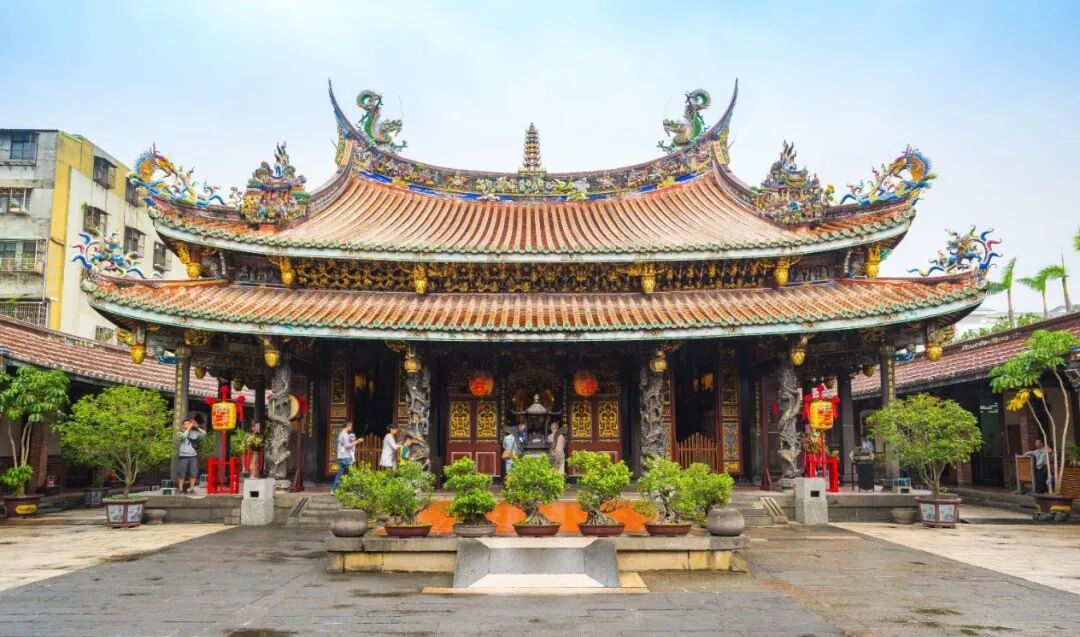
Last but not least, we have Dalongdong Baoan Temple. You’ll find it on Hami Street in Taipei’s Datong District. This Taiwanese Taoist temple (also a site of folk religion) is dedicated to Baosheng Dadi. Its name, “Baoan,” means “protecting Tong’an.” This is because its founders were from Tong’an, Fujian, China. The temple was first established in 1742. It started as a simple wooden shrine. Then, in 1804, it was officially rebuilt into a full temple. After several renovations in the 19th century, it expanded significantly. It became a massive 3,000-ping temple with three main halls and three courtyards. In 1985, Taiwan’s Ministry of the Interior recognized it as a Level 2 National Historic Site. A true architectural and cultural treasure!
Related Post: Taiwan’s Lunar New Year Markets 2026: Get Ready to Celebrate!
As the Lunar New Year approaches, the streets are bustling with delightful aromas and lively sounds. The calls of vendors, the array of festive gifts, and the fragrant food filling the air — these vivid moments create the authentic taste of the New Year deep in our memories. The annual New Year’s Street Markets are kicking off. They aren’t just places to stock up; they’re cultural landmarks that uphold tradition and gather people for warmth and community. Our O-Bear team has put together a guide to the best…

More Stories
This Hidden 2nd-Floor Bar in Taipei Is Serving Up Seriously Next-Level Risotto
The 3 AM Secret: Finding Taipei’s Most Exclusive Late-Night Speakeasy Diner
Chasing Neon and Graffiti: A Low-Key Night in Taipei’s Ximending