My co-workers have totally stamped me as an “artsy-fartsy” type. I guess I’m a bit romantic and artistic!
Luckily, Taiwan is packed with amazing spots for folks like me. You know, places that really speak to your creative soul.
-
Jiufen: The Mountain Town Vibe
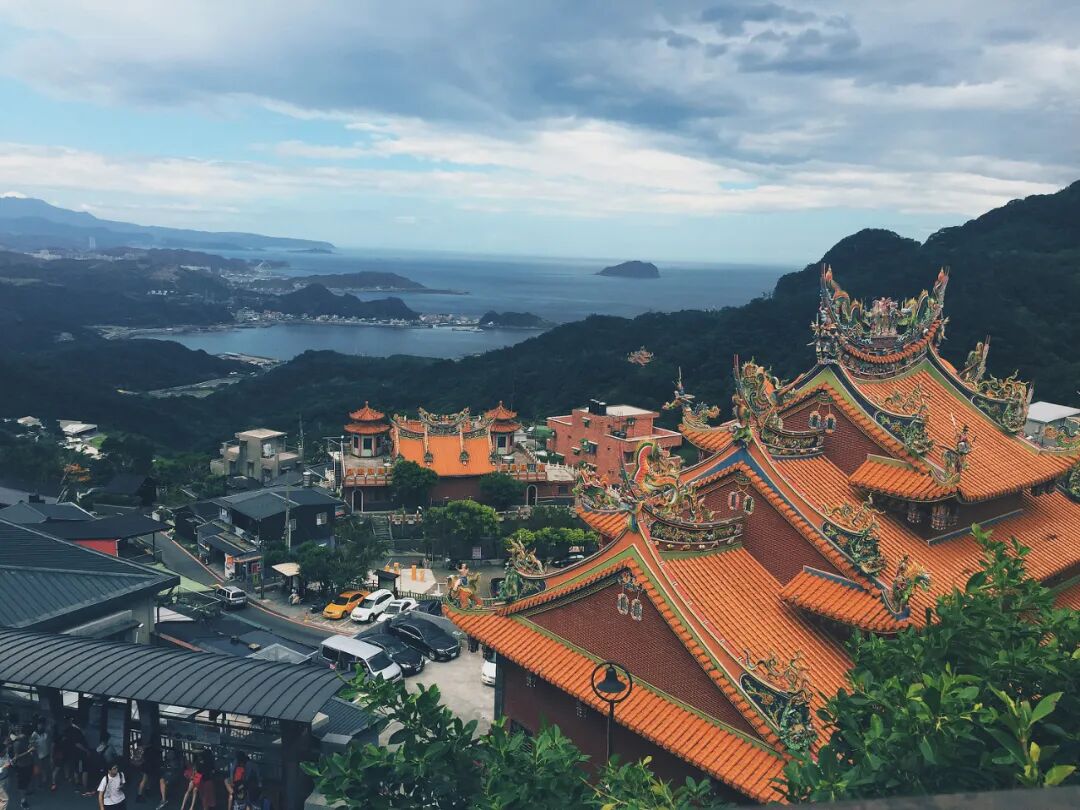
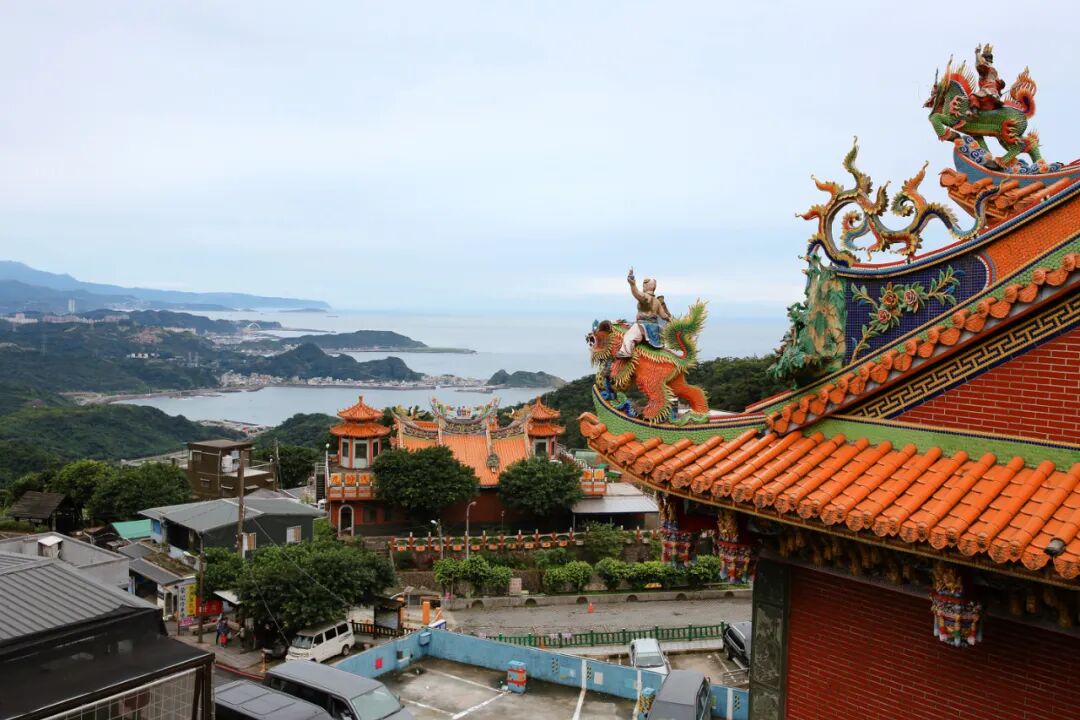
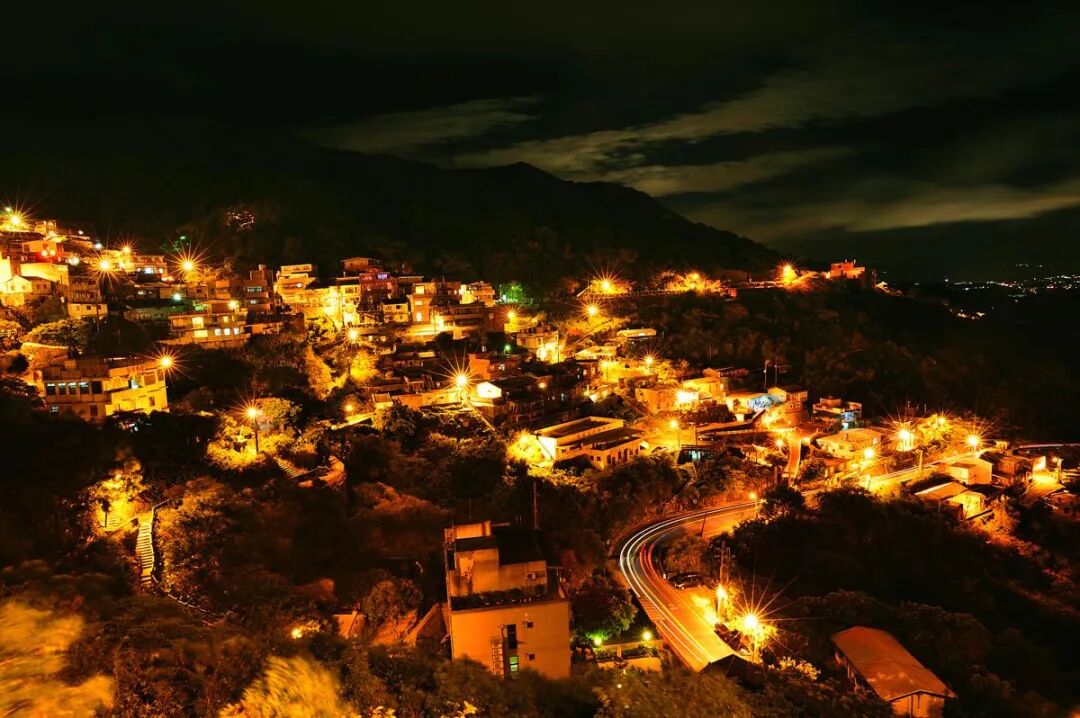
Jiufen is a super famous mountain town in New Taipei City’s Ruifang District. It boomed back in the day thanks to its gold mines. However, after the gold ran out, the town went quiet. Then, director Hou Hsiao-Hsien’s films, “A City of Sadness” (1989) and “Dust in the Wind” (1987), put Jiufen on the map. Suddenly, it became a must-see spot for tourists! People also say it inspired Hayao Miyazaki’s “Spirited Away.” Miyazaki himself denies it, but that doesn’t stop Jiufen’s popularity one bit.
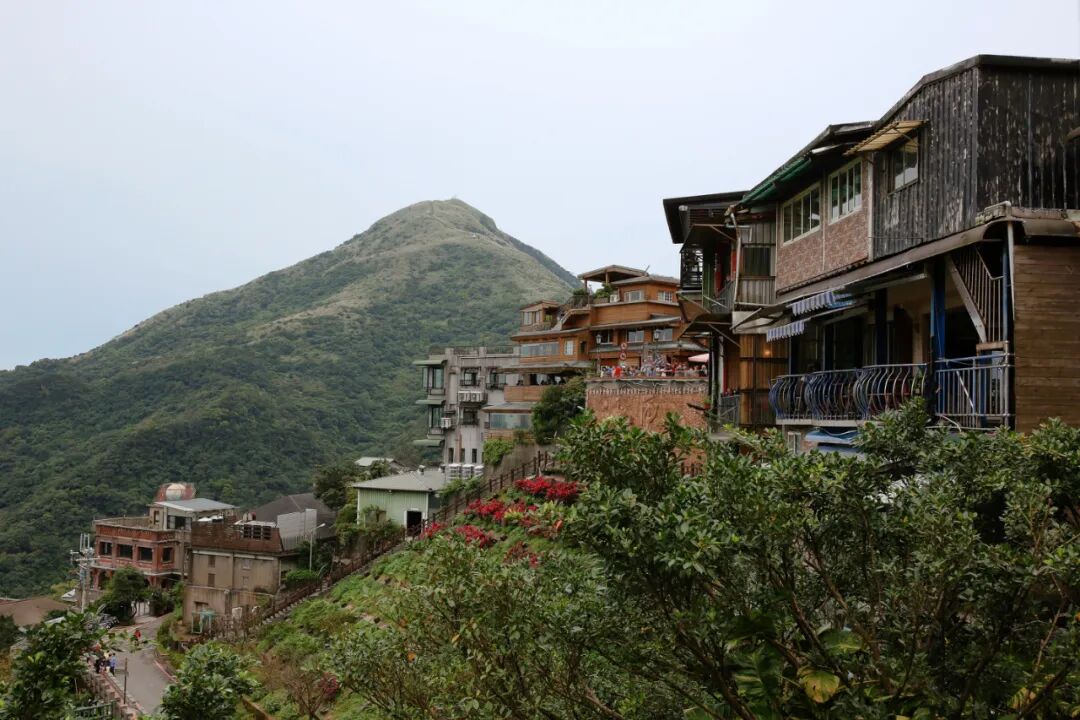
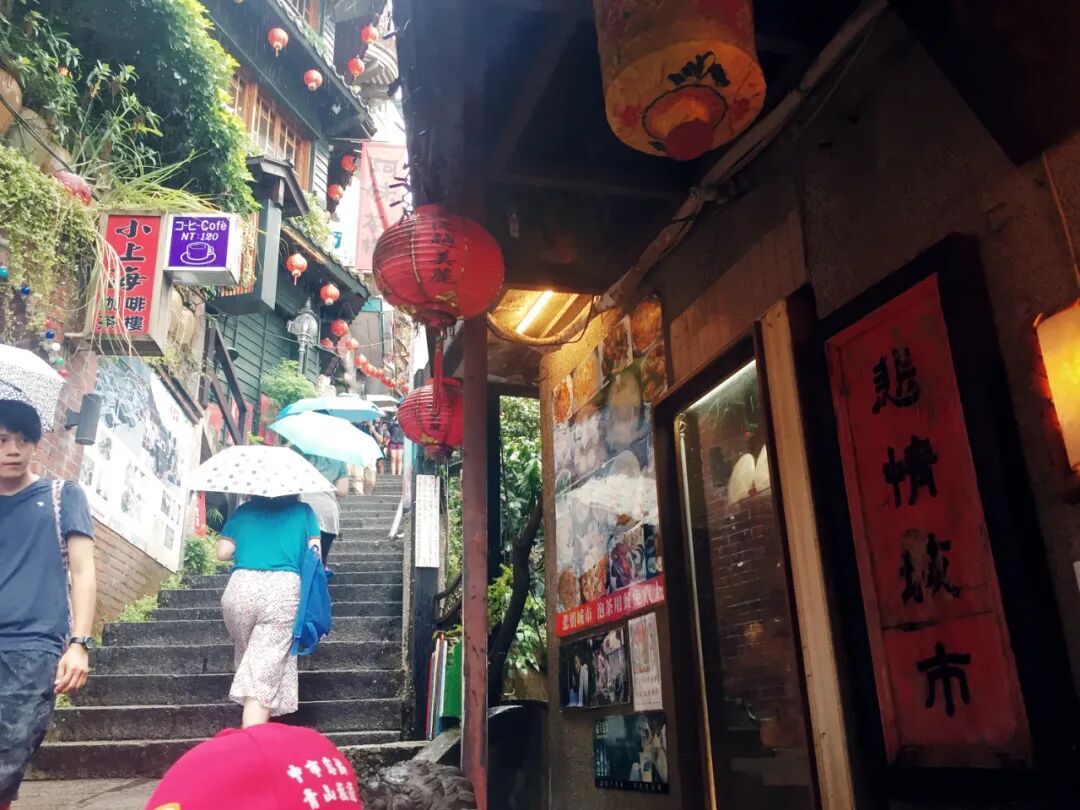
The buildings in Jiufen are literally built into the mountainside. The most famous spot is Jiufen Old Street.
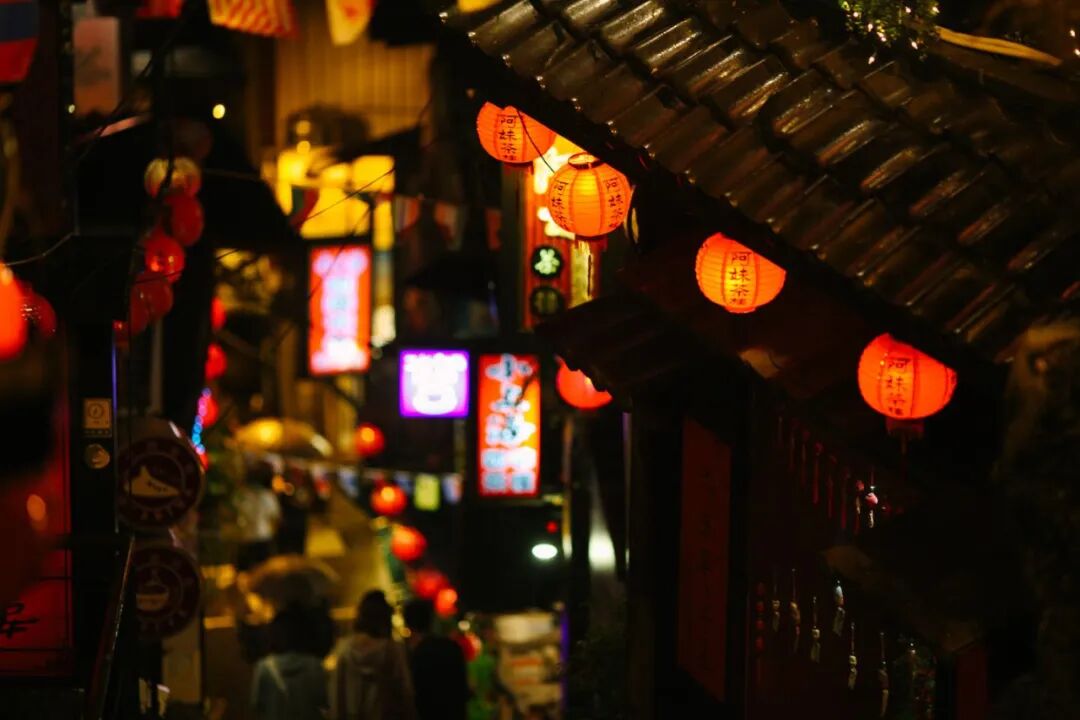
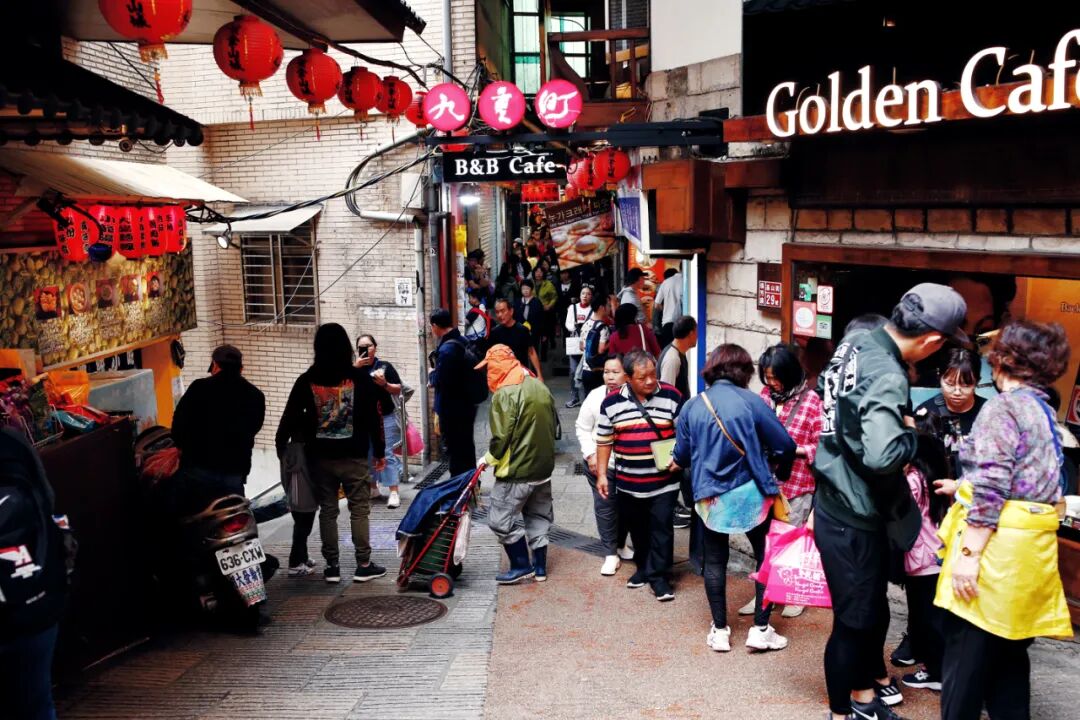
It’s made up of Jishan Street, Qingbian Road, and Shuchi Road. Jishan Street is definitely the liveliest!
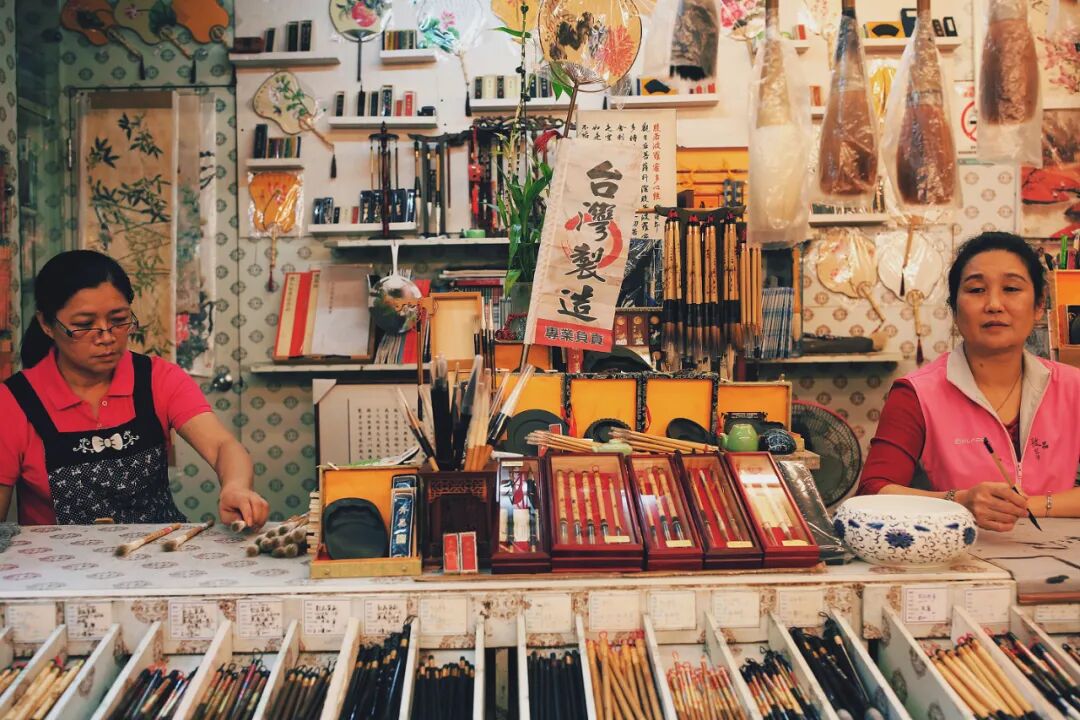
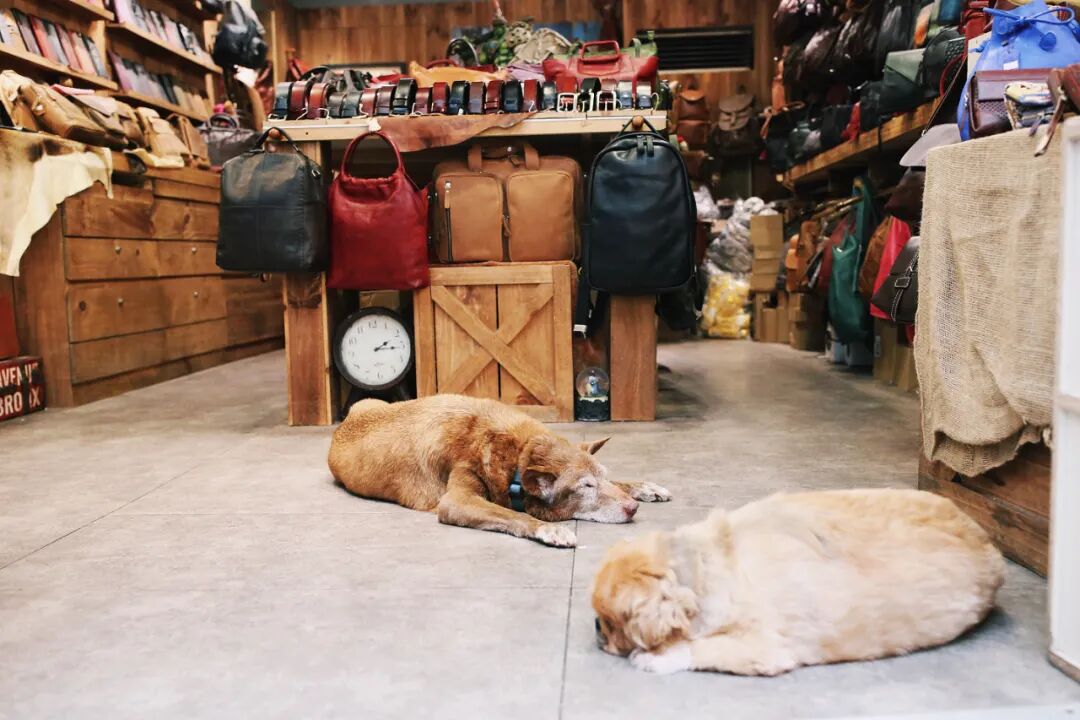
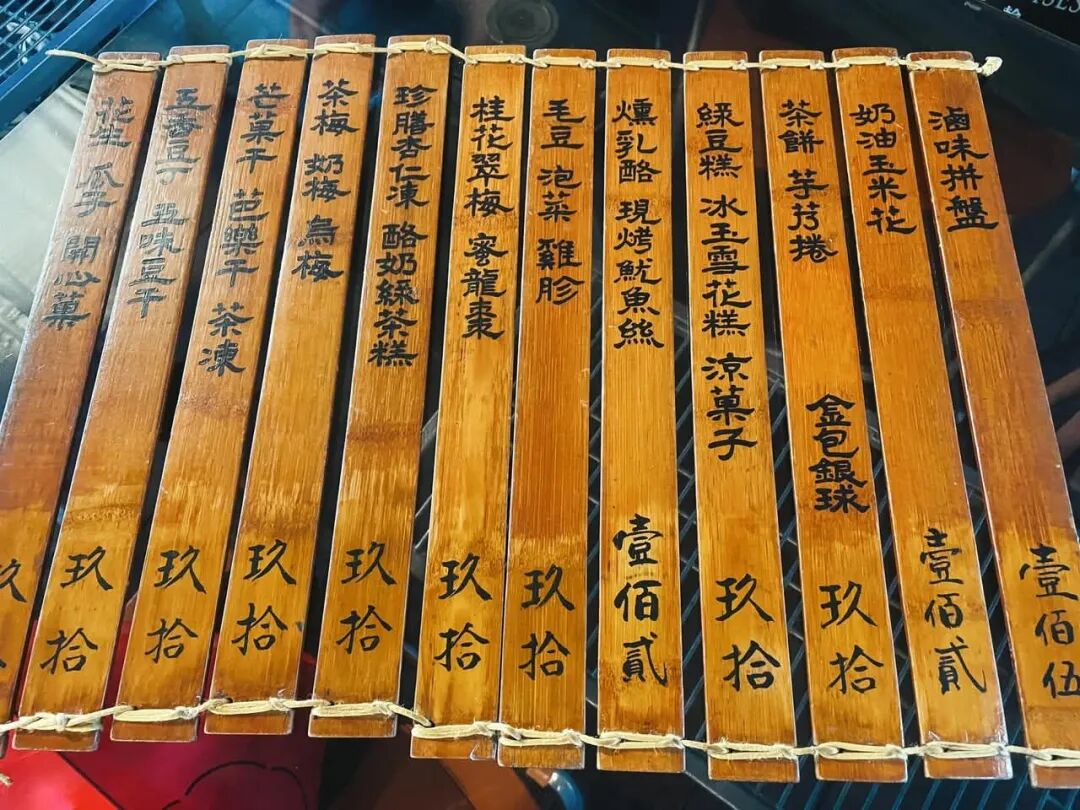
You’ll find dozens of snack stalls, restaurants, tea houses, and cool shops there. They sell everything from ocarinas to glass ornaments and handmade wooden clogs.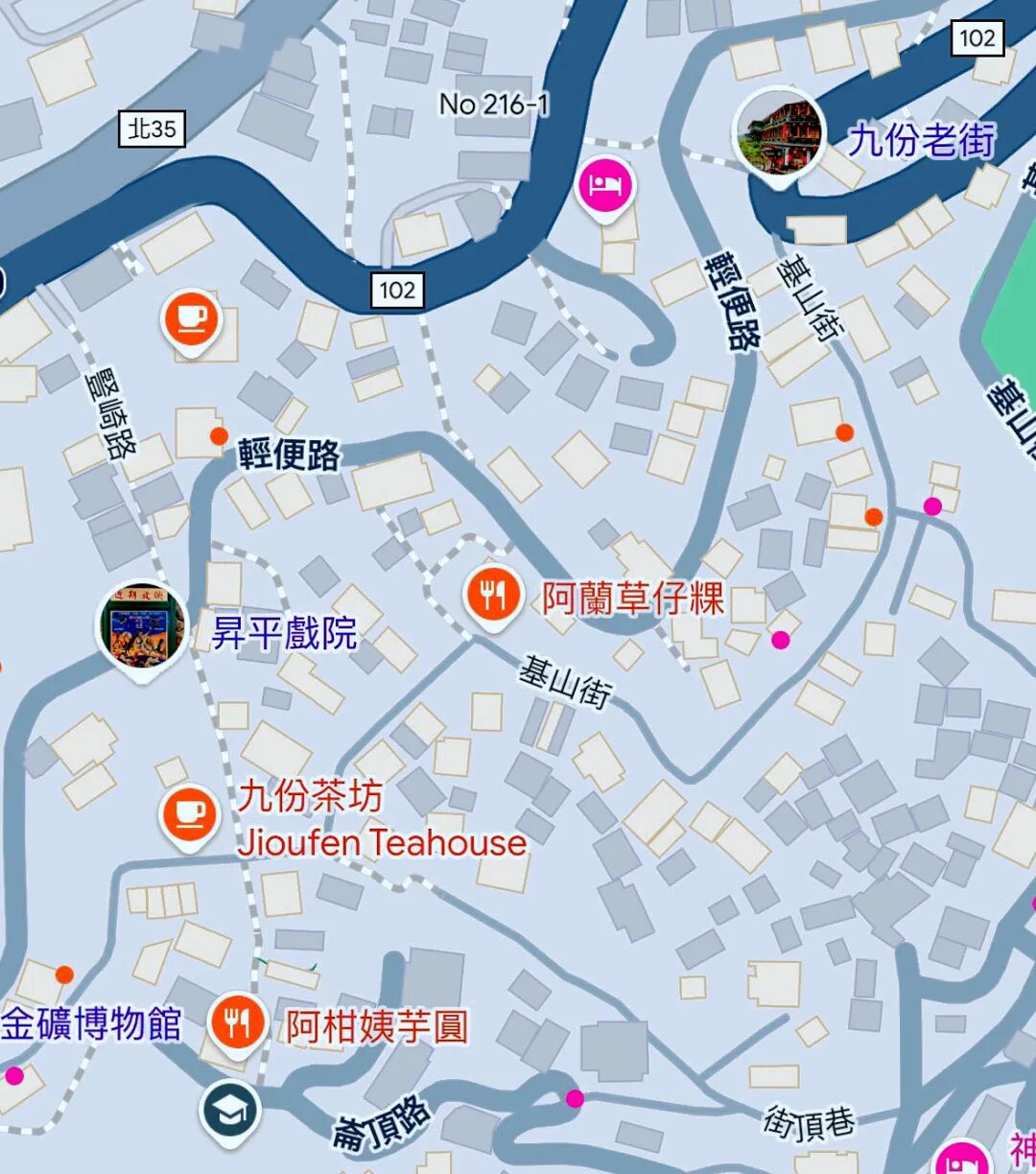
By Linda Lin
Don’t Miss the Food!
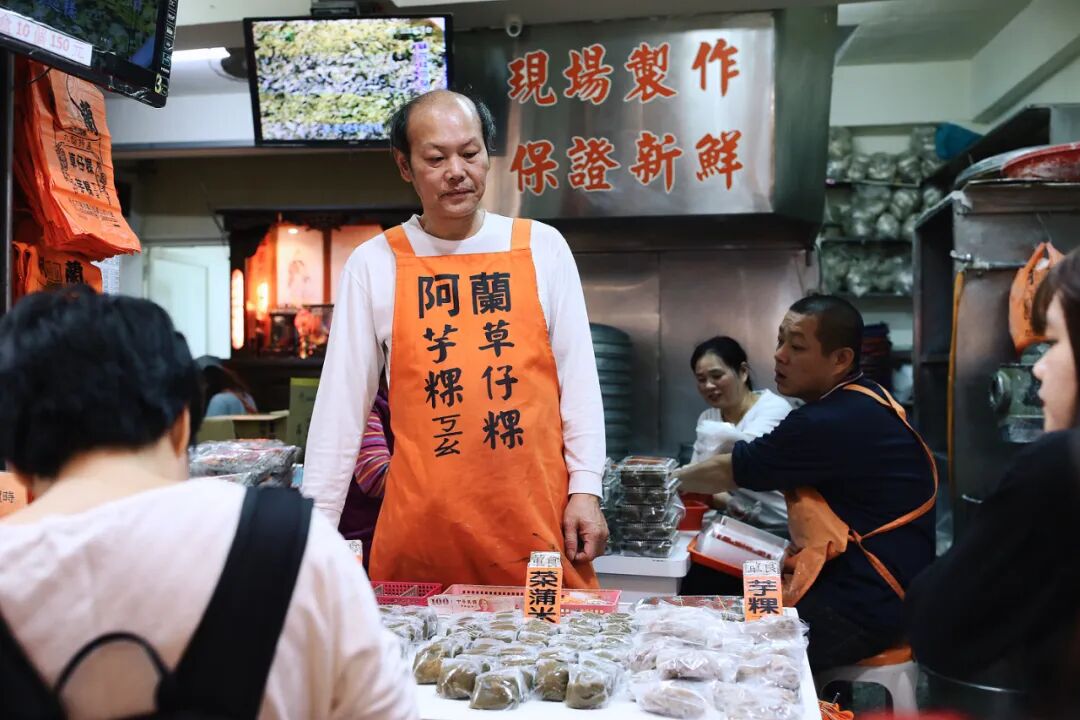
You absolutely CANNOT visit Jiufen without trying the Jiufen taro balls. They’re a handmade delicacy made from taro.
The two most famous places are “Ah Gan Yi Taro Balls” and “Lai A Po Taro Balls.” They come in tons of flavors, and you can get them hot or cold.
Sadly, I didn’t try them on my first visit. I only discovered how amazing taro balls were a couple of years later, eating them in hot pot near my office!
Next time I’m in Taiwan, Jiufen taro balls are at the top of my list.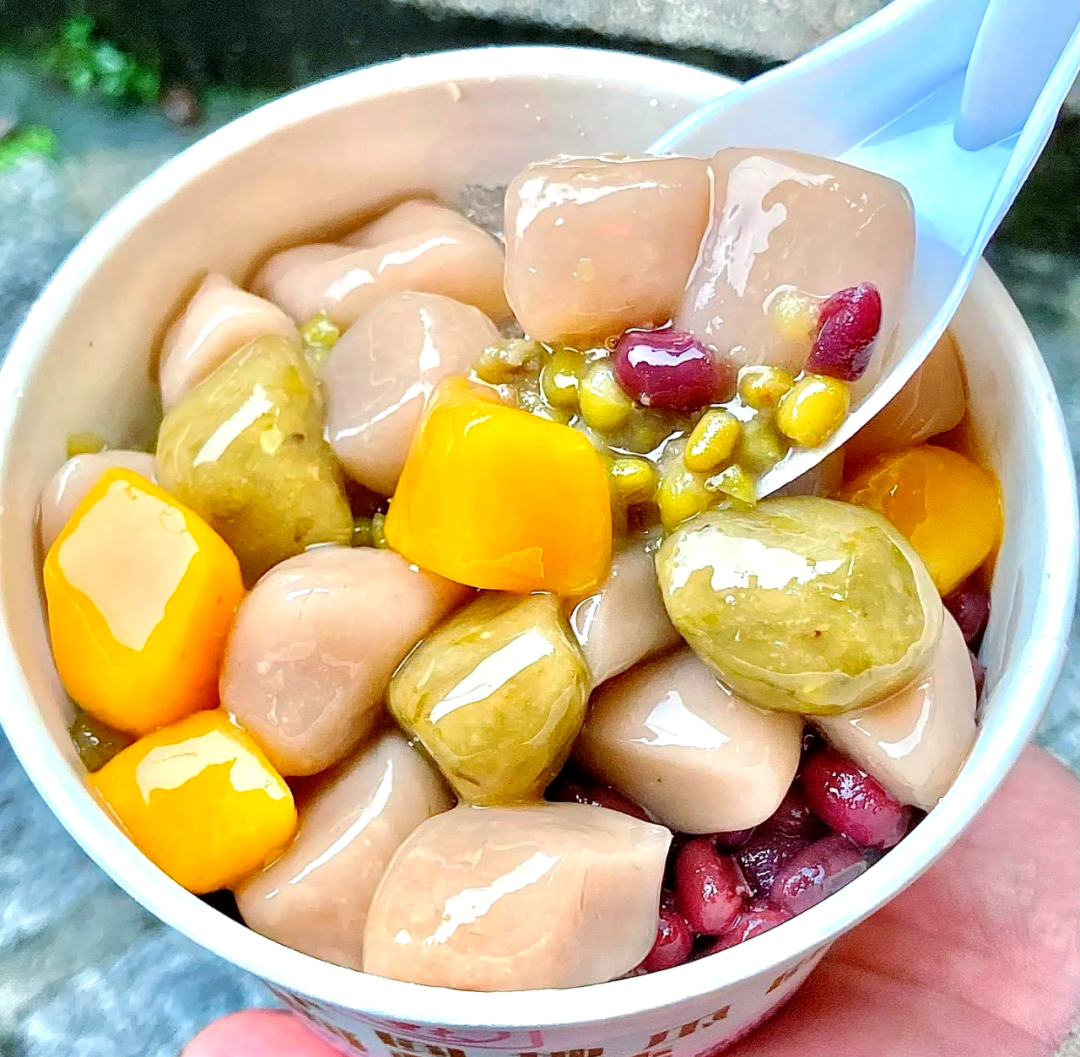
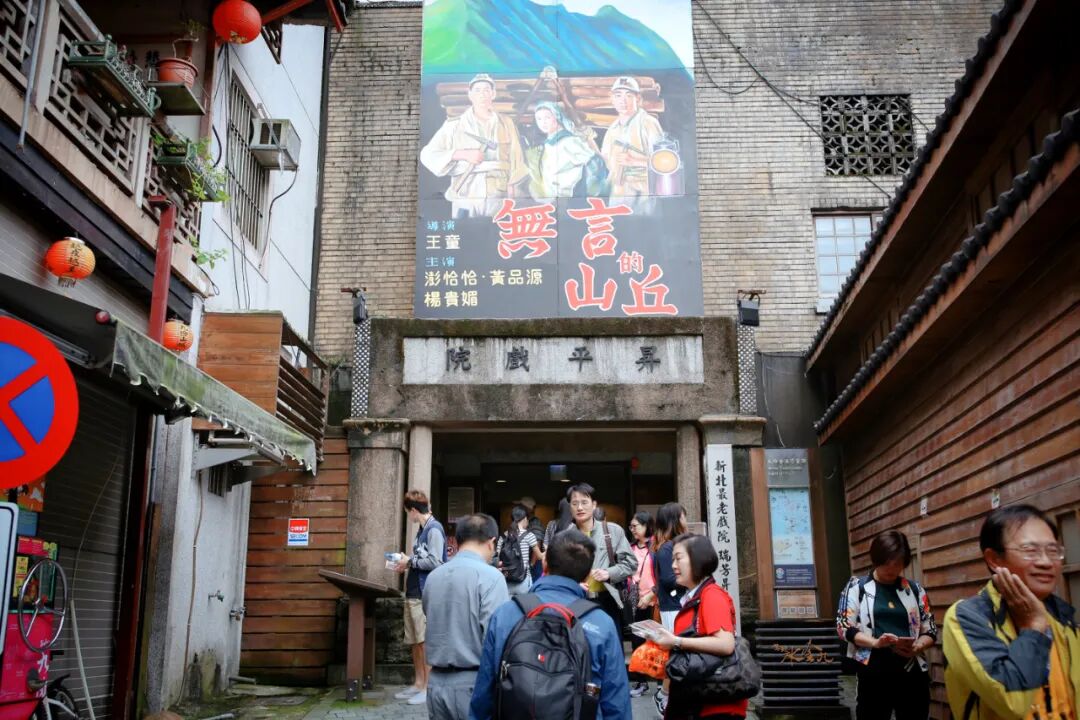
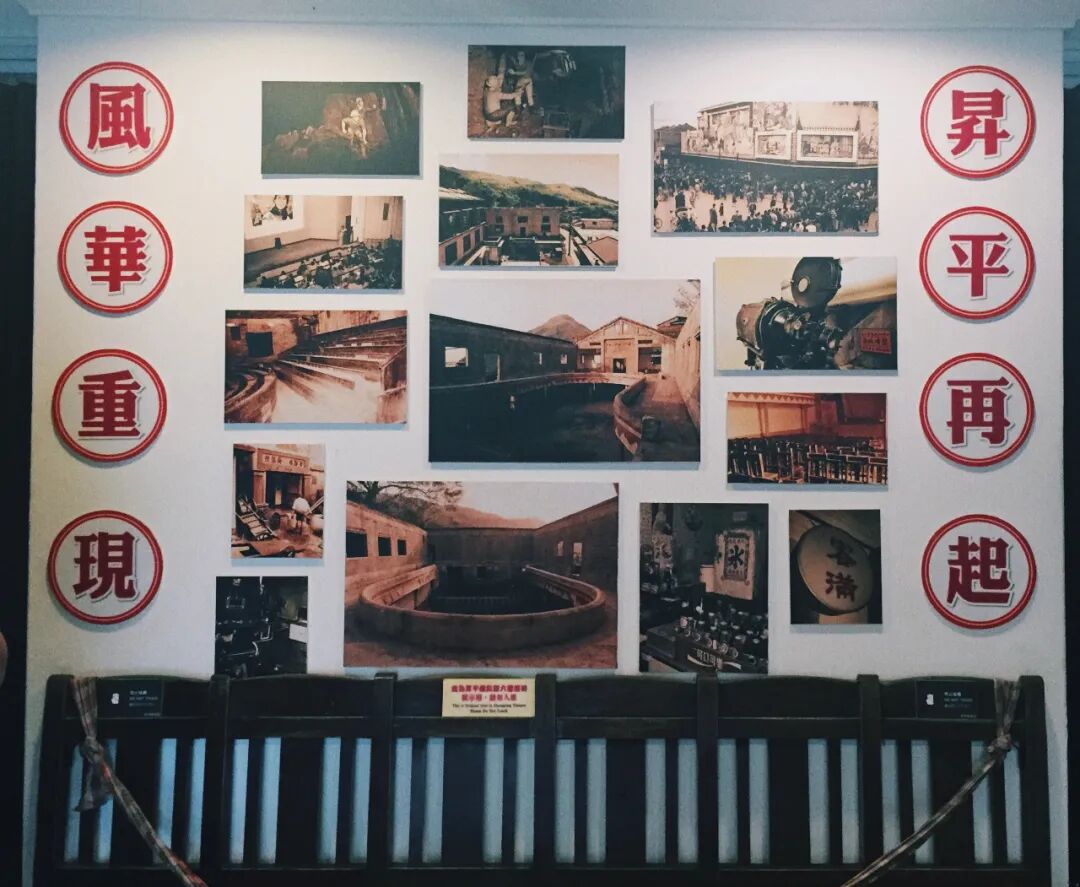
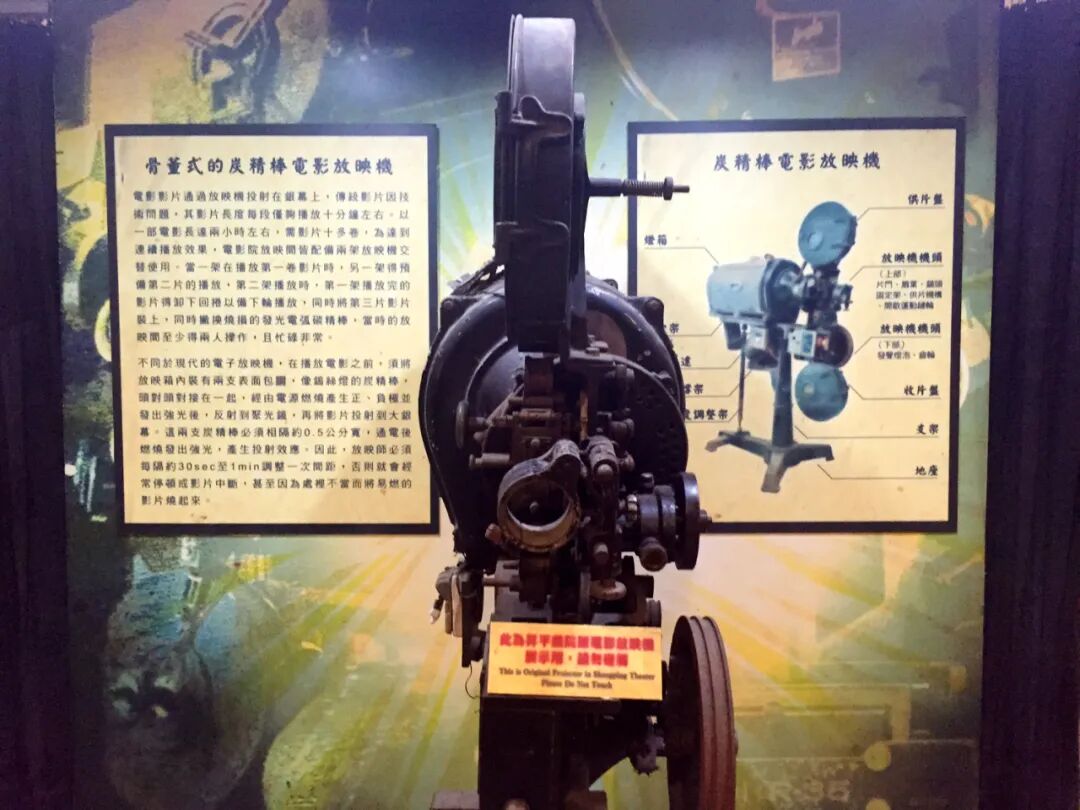
If you climb the steep stone steps of Shuchi Road, you’ll find “A-Mei Tea House” and “Shengping Theater.” Both appeared in “A City of Sadness.” In September 2011, Shengping Theater reopened as an archive center. Every weekend, they screen movies set in Jiufen for free. These include “The Silent Hill,” “Father, Son, Husband,” and “Dust in the Wind.” Jiufen also boasts plenty of coffee shops. Fun fact: Taiwanese singer Cheer Chen’s song “Jiufen’s Coffee Shop” was inspired by this very place!
My First Jiufen Adventure (and the Rain!)
On my first trip to Jiufen, I actually planned to hit the Gold Museum first. But I arrived a few minutes late and missed the guided tour.
So, I booked an afternoon tour and explored Jiufen instead. I skipped the snacks on Old Street and headed straight for Shengping Theater and A-Mei Tea House.Before my trip, I tried to watch “A City of Sadness” online. Honestly, the movie was just too intense and tragic.
I kept falling asleep and couldn’t get into it! I heard Shengping Theater played it for free on weekends, so I planned to watch it there.
However, the staff told me they hadn’t shown “A City of Sadness” in ages. They were playing some obscure local film called “Father, Son, Husband.”
I had never heard of it, so I definitely wasn’t going to watch that!So, I decided to grab a seat at A-Mei Tea House. As I climbed the stairs, the rain started pouring down!
I ducked into a shop by the roadside to escape the downpour. The shop owner told me “A City of Sadness” was actually filmed in *their* place!
Apparently, the owner rented the house to A-Mei for the movie. After filming, he took it back and opened his own tea restaurant.
He even named it “City of Sadness”! So, I enjoyed a drink there, waiting for the rain to stop before heading to Jinguashi.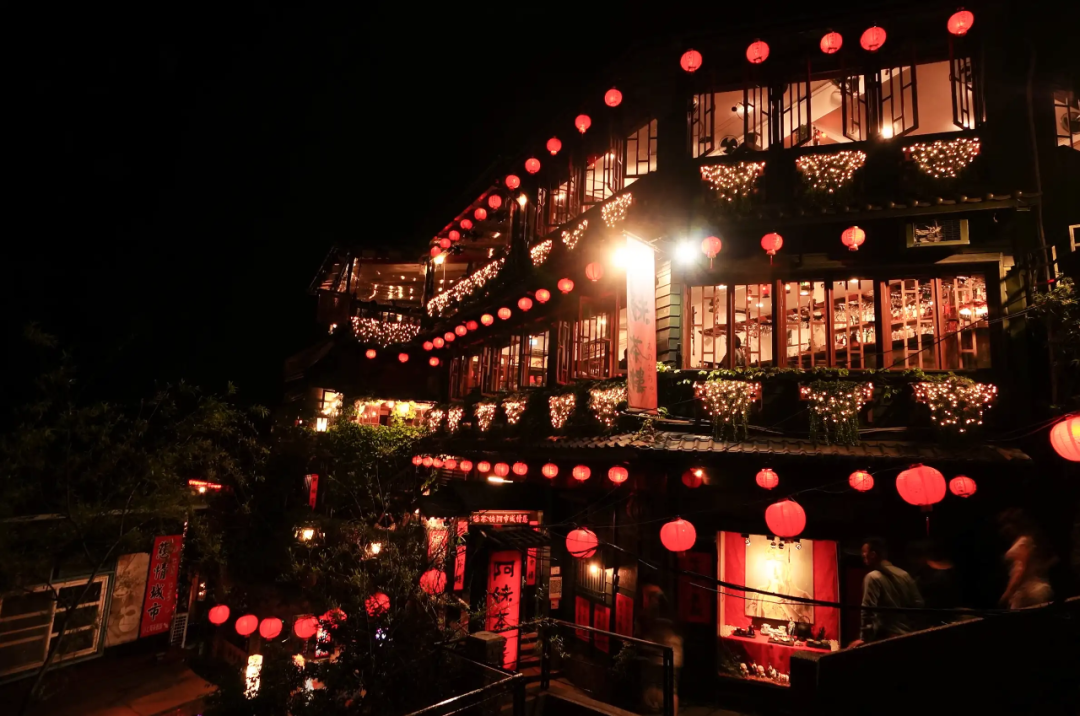
-
Jinguashi Gold Museum: A Glimmering Past
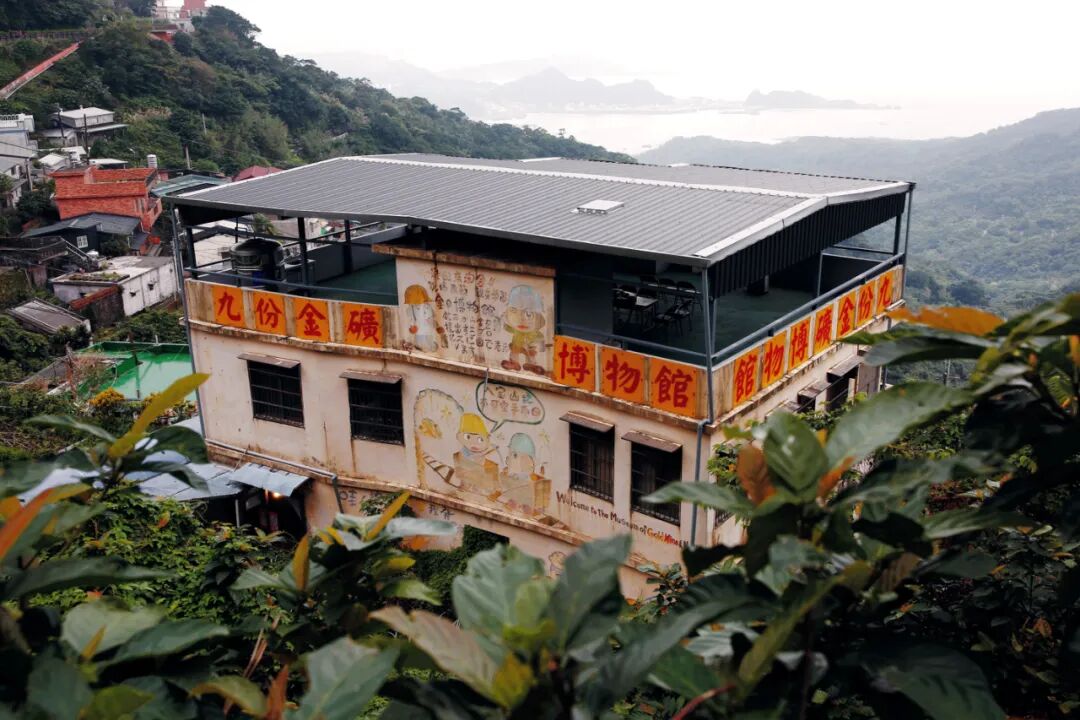
I’ve mentioned this before in my “Keelung River” post. Railway workers found flowing gold sands in the Keelung River during the Qing Dynasty.
They followed the river upstream and discovered Jinguashi. That’s how this golden town got its name!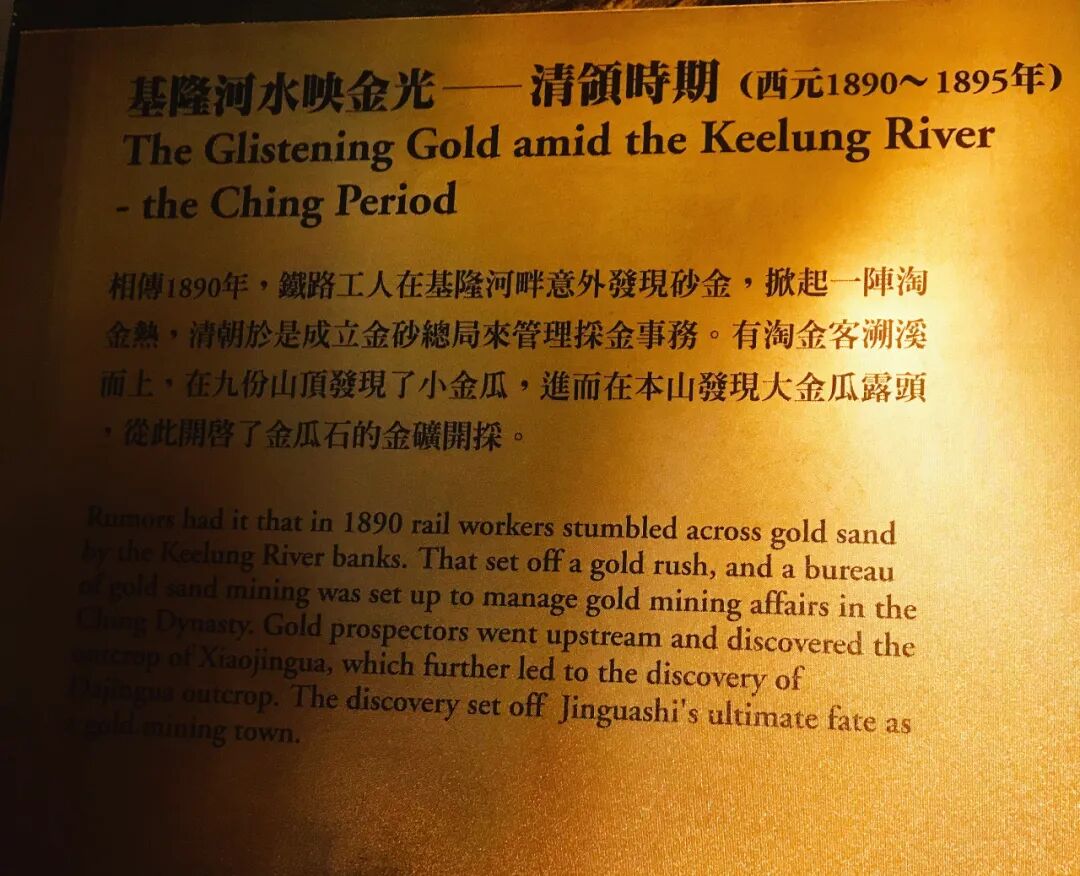
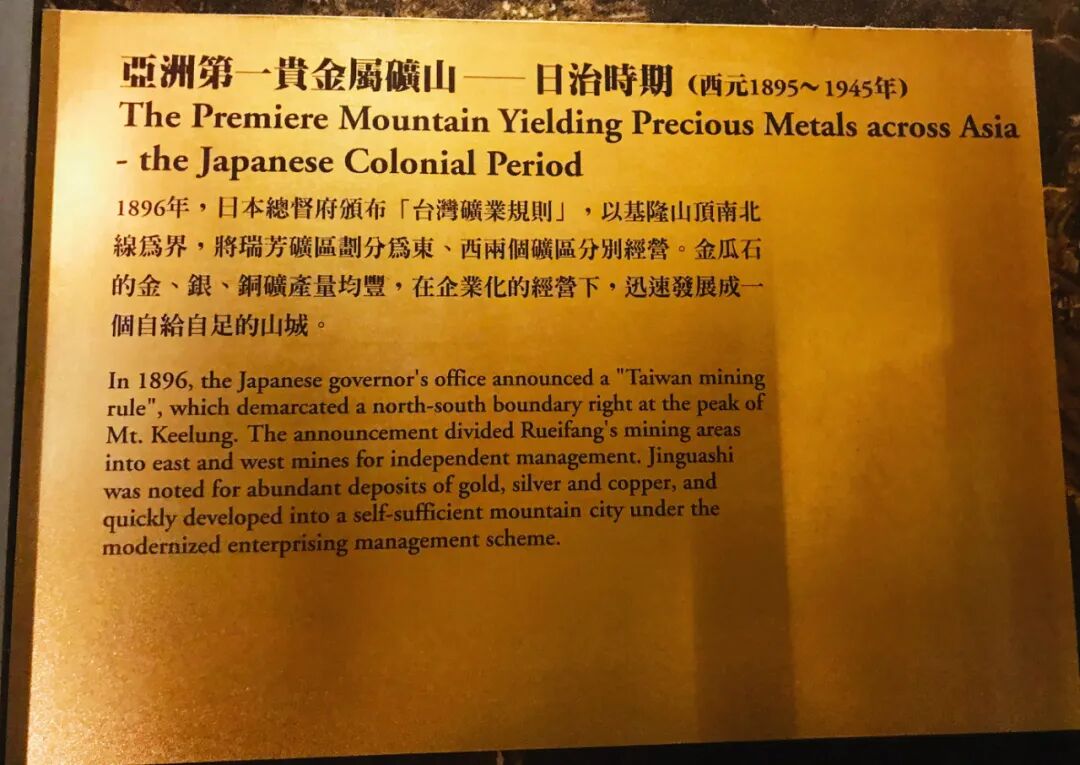
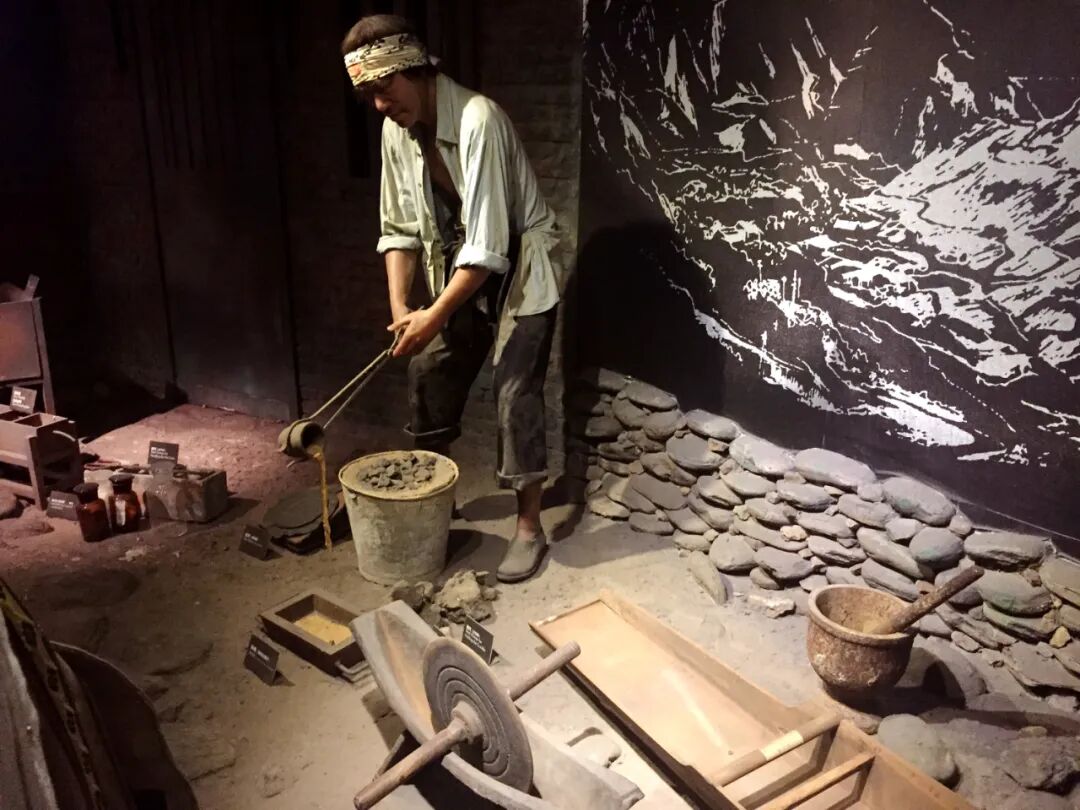
The Jinguashi Gold Museum transformed from a former gold mine. It’s Taiwan’s very first ecological museum.
It tells the story of Jinguashi’s mining history and culture. This museum allows modern visitors to experience the town’s past prosperity.Hands-On History (and a Typhoon!)
Besides just looking, visitors can also try their hand at gold panning! The renovated Ben Shan Fifth Tunnel even lets you experience what old mining tunnels were like.
Unfortunately, when I visited, a typhoon had caused some damage. Because of this, both the Prince’s House and Ben Shan Fifth Tunnel were closed. Bummer!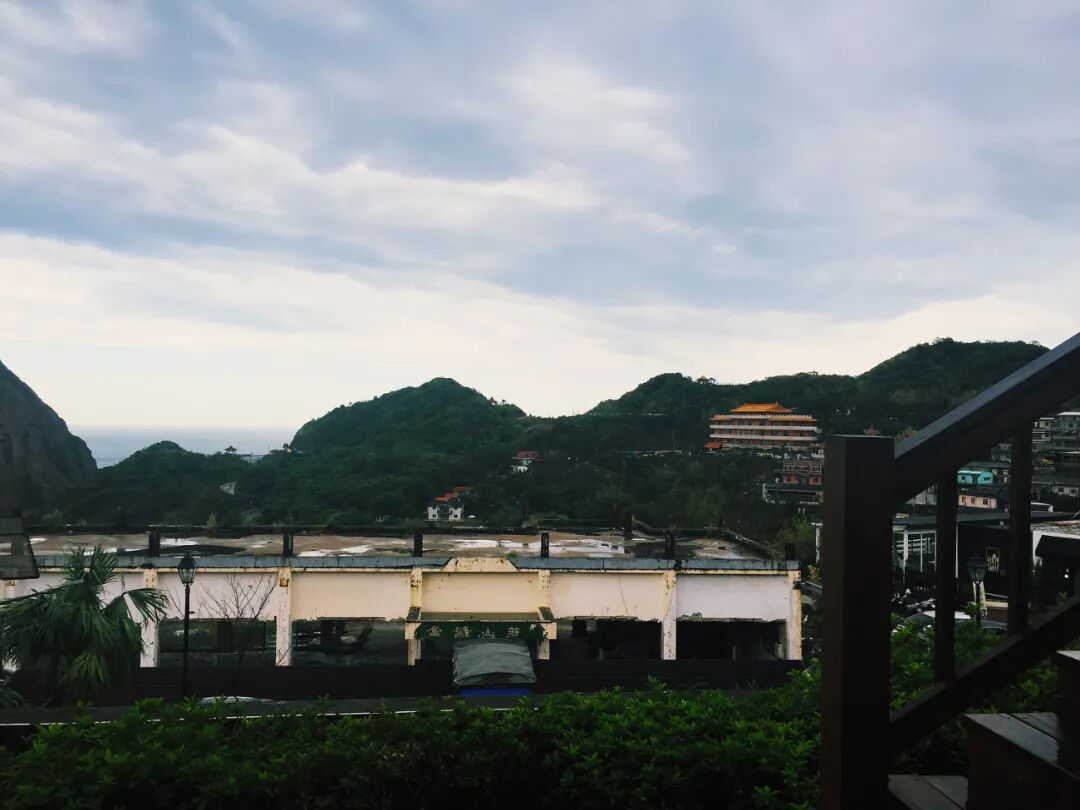
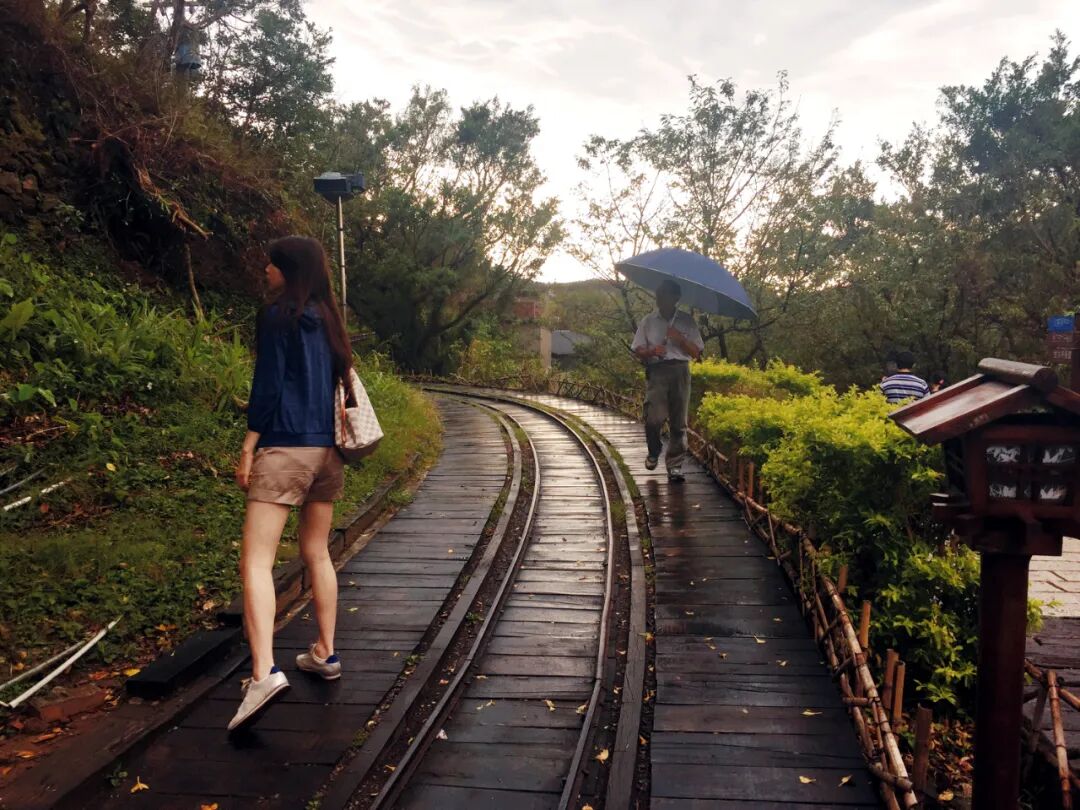
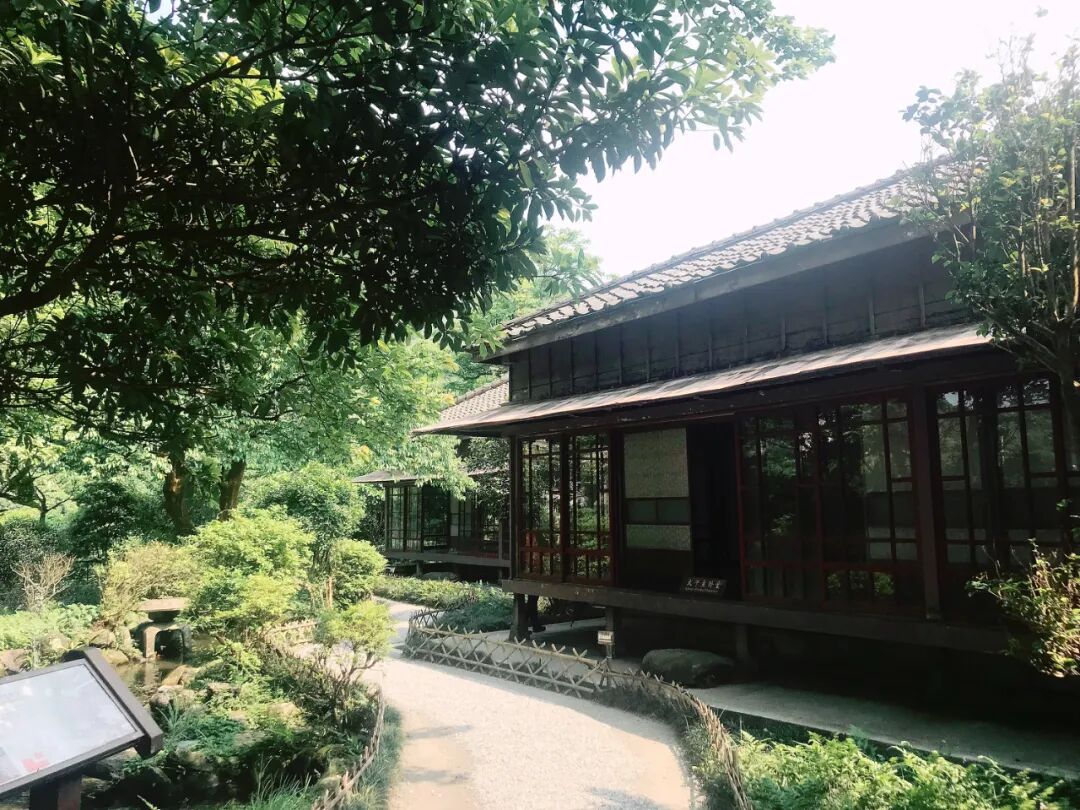
Note: During the Japanese colonial era, Taiwan built many Prince’s Houses to welcome Crown Prince Hirohito (later Emperor Showa). These included the Grass Mountain Chateau, Alishan Hotel, and the Prince’s House at Jinguashi Gold Museum. My first visit was during a typhoon, so I couldn’t go inside. The pictures above are from 2019 when I brought my parents!
Taiwanese Hospitality at its Best
Even with the closures, I still felt a strong sense of Taiwanese hospitality at Jinguashi. I missed the morning guided tour by just a few minutes.
So, I booked an afternoon tour for 2 PM and decided to wander around Jiufen.
Then, a huge rainstorm hit in Jiufen, and I couldn’t make it back in time! When I finally returned, two staff members at the visitor center greeted me.
They said, “Why didn’t you come back? Our guide waited for you for over ten minutes!” After I explained, they kindly rebooked me for the next group.
Our guide was a super sweet young lady with the gentlest voice. She even recommended hiking up Banping Mountain to see the “Yin Yang Sea.”
I was too tired then, but I made a special trip to see it a few years later. It was amazing!
I even brought my parents to see it another time because it was so cool.The museum’s star attraction is a massive 200-kilogram gold bar. It’s the second-largest in the world and worth a crazy amount of money!
Lots of people touch it, hoping for good fortune and wealth.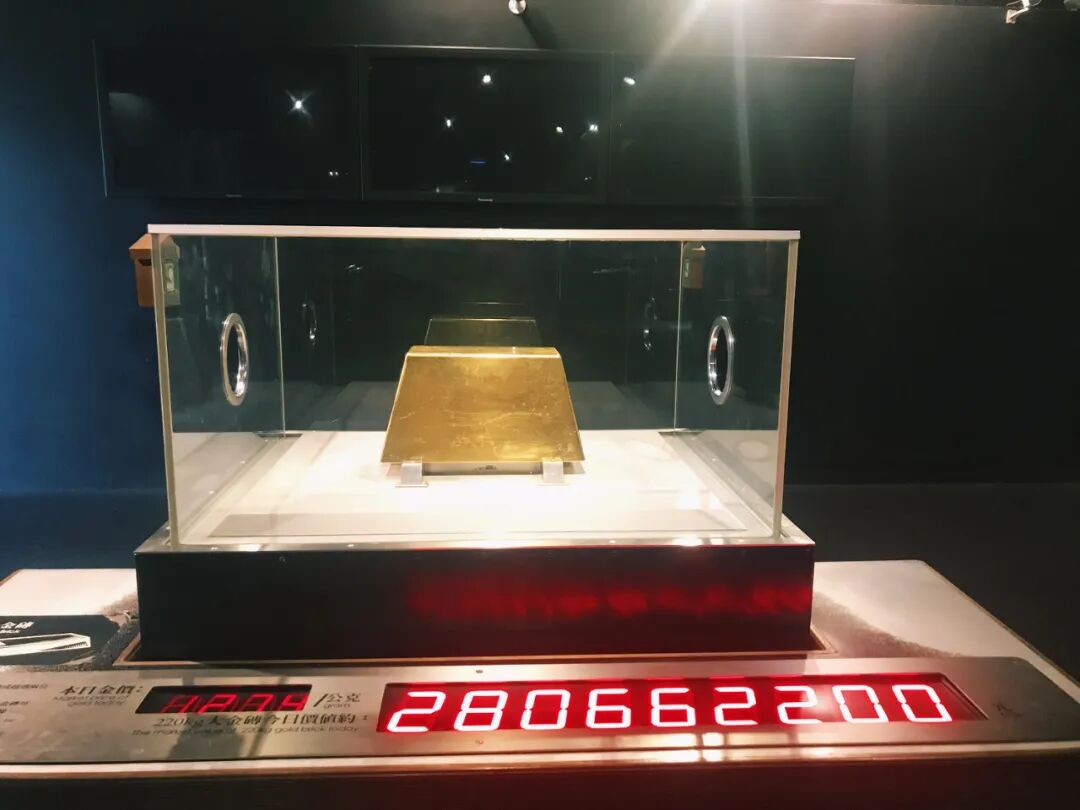
The entrance to the Gold Museum features eight big characters. They read, “Long River Flowing, Gold Shimmering.” This is its main theme!
“The river” of course refers to the Keelung River, which I’ve also talked about before.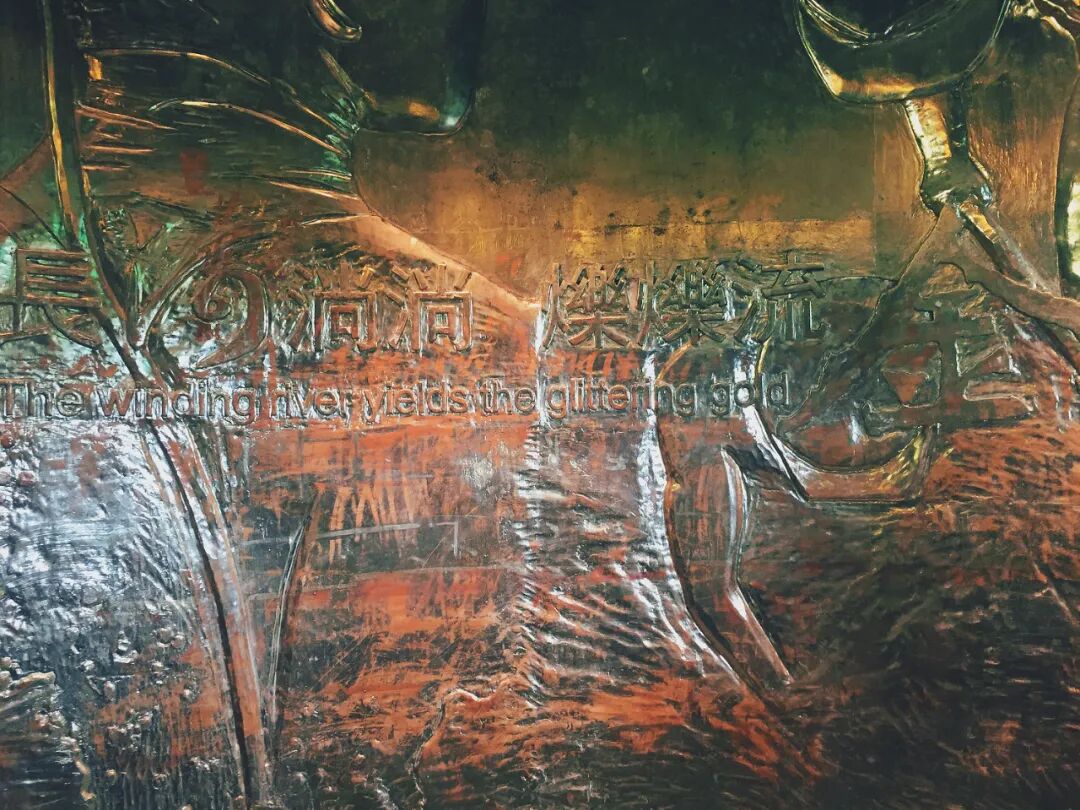
Related Post: Tracing Chiang Kai-shek’s Footsteps | Chiang Kai-shek Memorial Hall
On April 5, 1975, President Chiang Kai-shek passed away from a heart attack at his Shilin residence in Taipei. In June of the same year, Taiwan’s Executive Yuan decided to build the Chiang Kai-shek Memorial Hall in his honor. Groundbreaking for the memorial hall took place on October 31, 1976. Construction officially began in November 1977. On March 31, 1980, the Chiang Kai-shek Memorial Hall was completed, and its inauguration ceremony was held on April 4…
More Stories
The Best Croissants in Tainan? Why Deer House Bakery is Worth the Hype
Chasing Neon and Graffiti: A Low-Key Night in Taipei’s Ximending
Why Yizhong Street is My New Favorite Night Market in Taichung (Sorry, Fengjia!)