Hey there, history buffs! If you’re tracing the steps of Taiwan’s historical heavyweights, you absolutely *must* check out **Cihu Mausoleum**. It’s a key spot. This wasn’t Chiang Kai-shek’s top pick for a final resting place, though. Honestly, the full historical scoop might forever be a mystery!
Flashback to April 5, 1975: Chiang Kai-shek passed away. He was 88 years old. It happened at his Shilin Official Residence in Taipei. His coffin was then placed in Cihu, Taoyuan City’s Daxi District. Fun fact: it’s not far from his son’s Daxi Mausoleum. Talk about keeping it in the family, even in the afterlife!
Here’s the real twist: Cihu was *not* his first choice! His final wish was to go back to mainland China. He wanted to be buried near Sun Yat-sen’s Mausoleum in Nanjing. However, cross-strait politics are super complex. So, that never happened.
That’s why his body is just temporarily chilling at Cihu. Get this: his coffin isn’t even buried! It’s actually “floating.” This is an old tradition from his hometown in Fenghua, Zhejiang. It’s for people who pass away far from home. The coffin rests about three inches off the ground, propped up on four corners. It makes moving the remains way easier later on. No digging required!
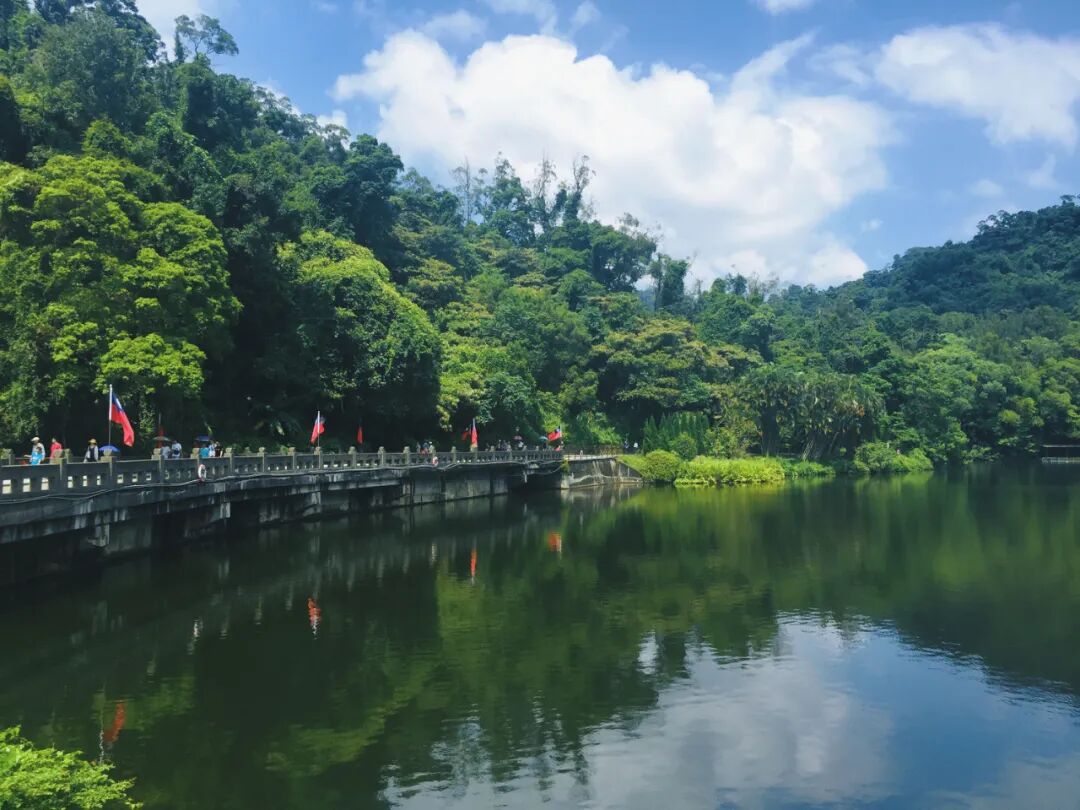
Cihu was originally called “Piwei.” Talk about a name glow-up! It’s located about 37 miles (60 kilometers) south of Taipei. You’ll find it in Taoyuan City’s Daxi District.
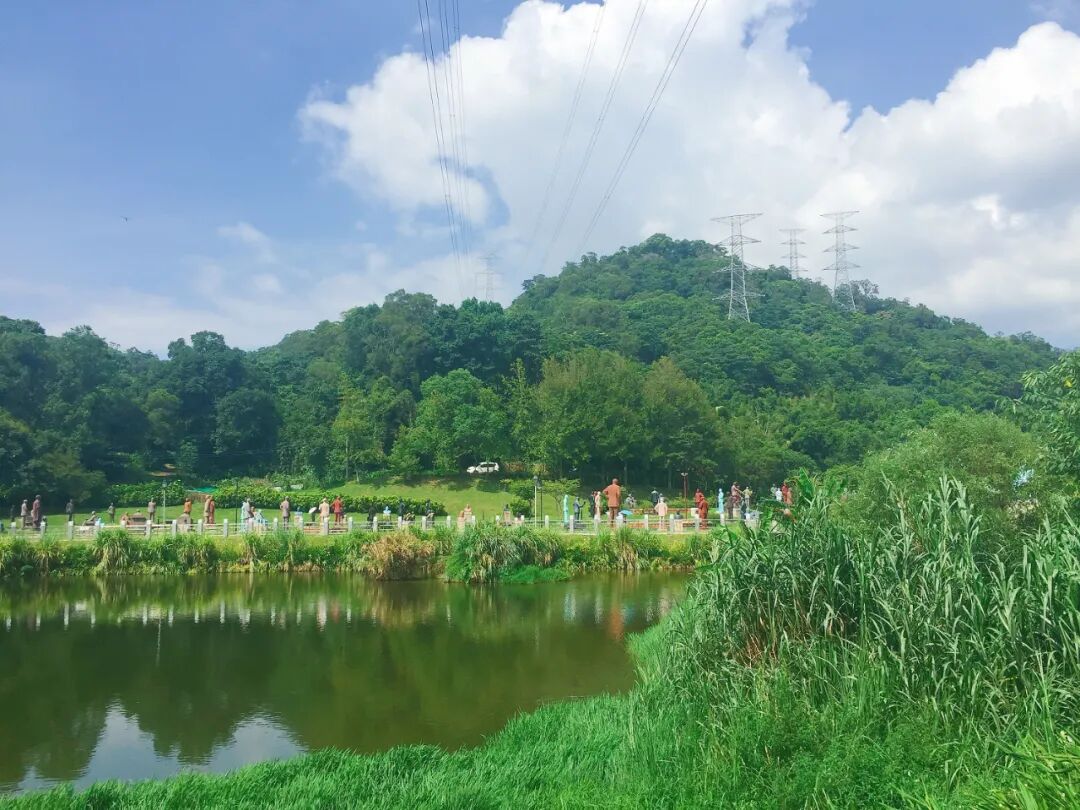
It’s an artificial reservoir, actually. It’s split into two lakes: a larger front lake and a smaller, crescent-shaped back lake. The scenery here is just stunning. Get this: it reminded Chiang Kai-shek so much of his hometown in Fenghua, Zhejiang. He even renamed it Cihu, which means ‘Lake of Benevolence,’ to honor his mother, Lady Wang. How sweet is that?
Now, let’s talk about Back Cihu (后慈湖). Most people, myself included, agree the scenery here is even more breathtaking than the front lake. Seriously, it’s postcard-perfect.
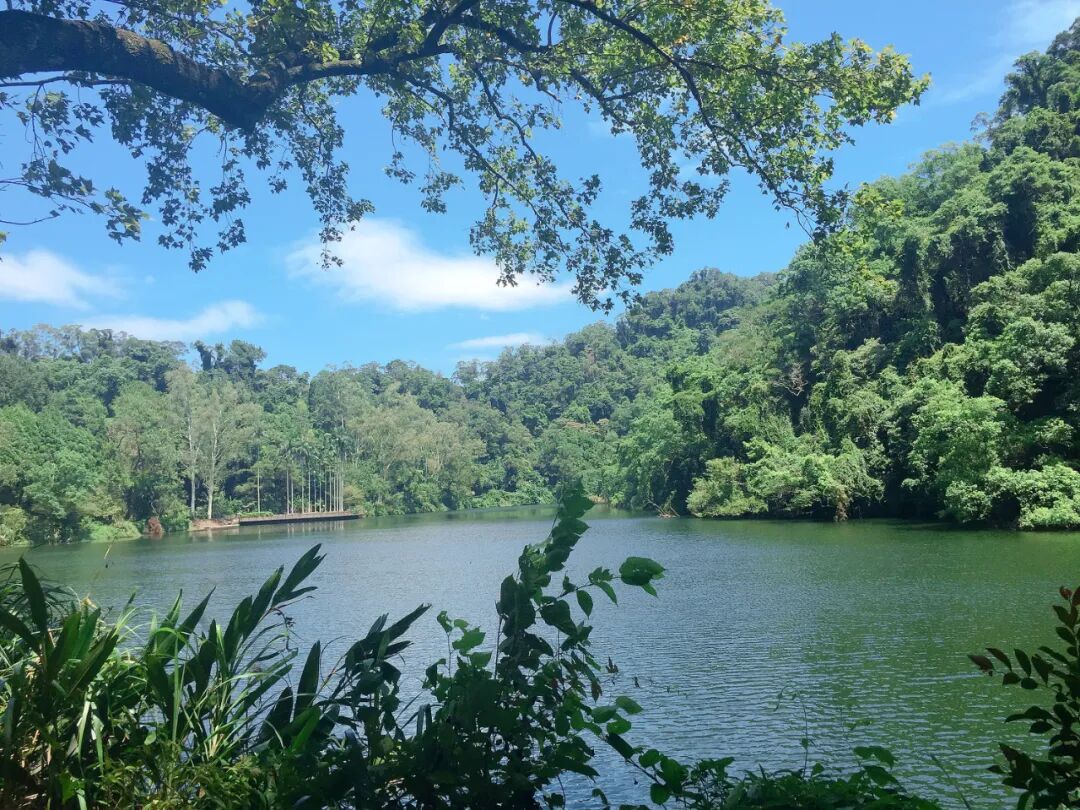
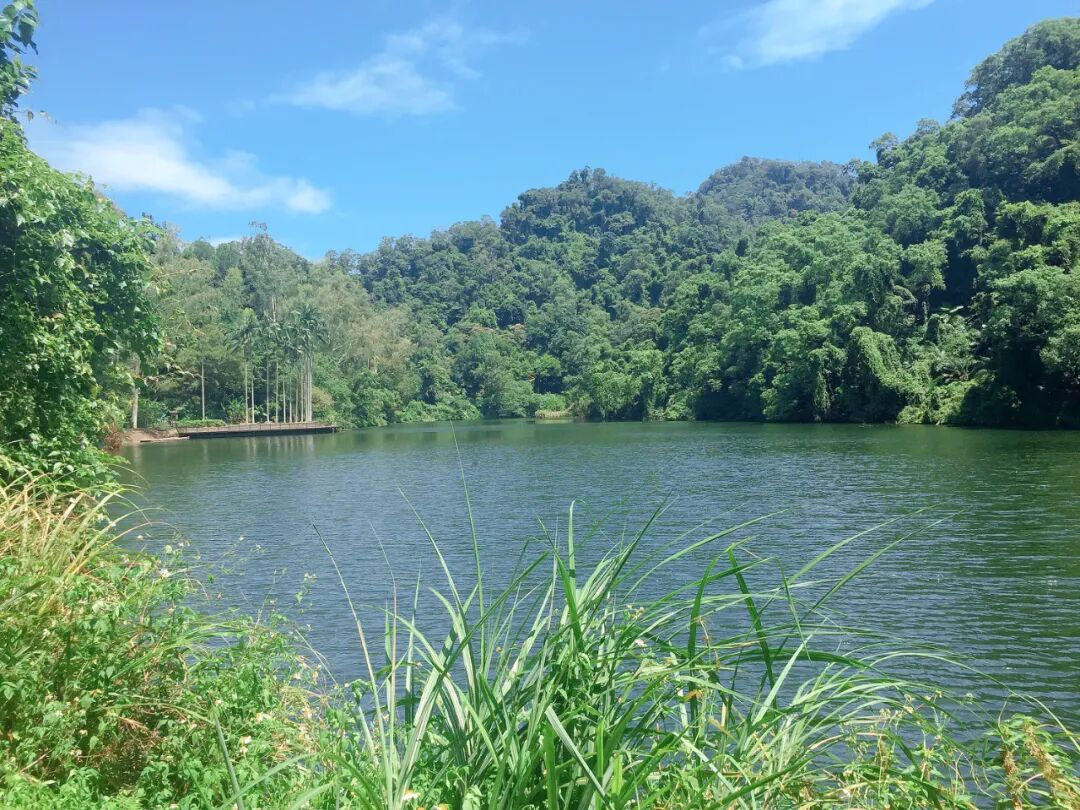
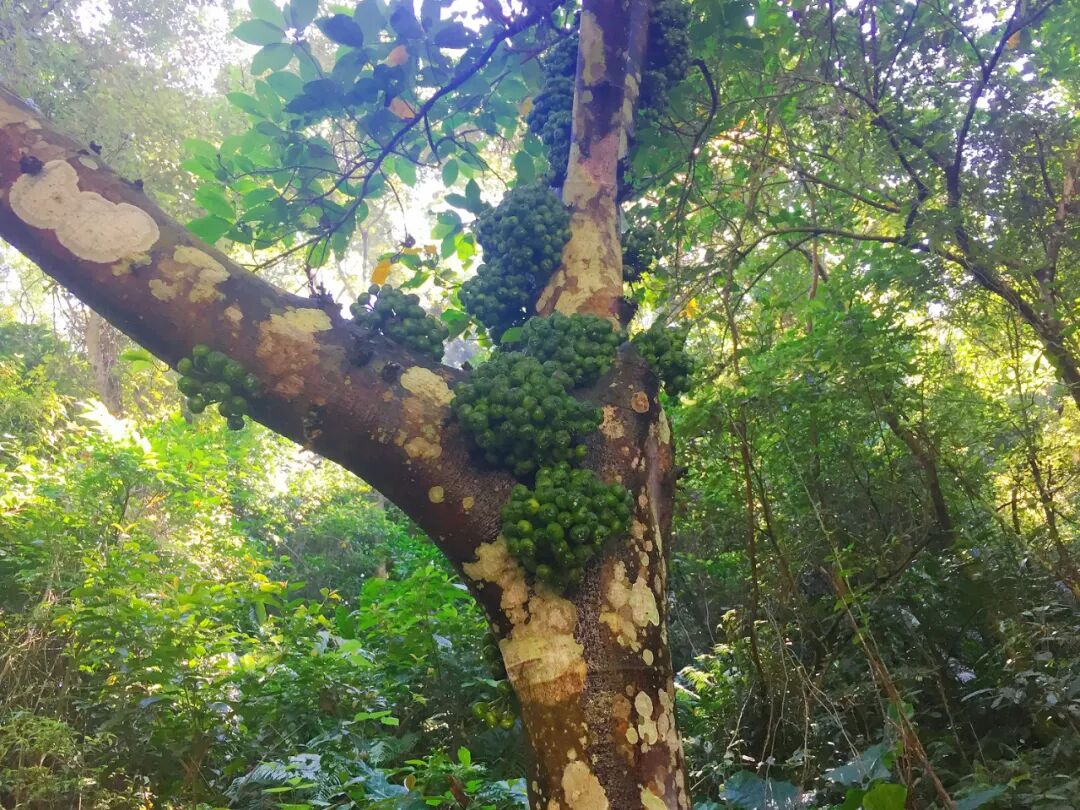
Side note: Taiwanese tour guides are seriously into their plants! No matter where you go – Jiufen, Jinguashi, Cihu, you name it – they’ll always point out local flora. If my memory serves me right, this particular tree is a ‘fig tree.’ Now, whether it’s the kind we actually *eat* figs from, I’m not entirely sure. Probably not the exact same variety.
Chiang Kai-shek’s actual Cihu Mausoleum building? It was originally called “Dongkou Guest House.” It was completed in June 1959. Pretty cool, right?
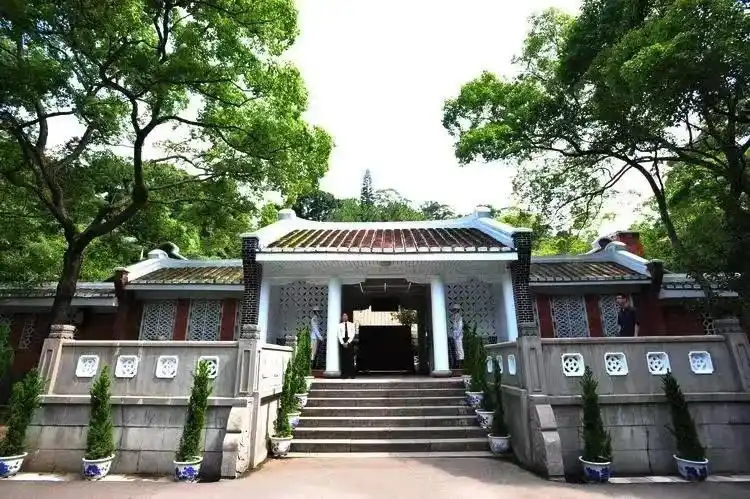 Quick note: The mausoleum itself is a small, traditional courtyard-style building. Apparently, Chiang Kai-shek’s body underwent two months of embalming. His son, Chiang Ching-kuo, made that decision. Inside the mausoleum, his coffin—a bronze one encased in marble—rests in the northern main hall. When I first visited in 2016, you could actually go inside for a walk-through, but no lingering! Just follow the path and out you go. Fast forward to 2019, when I brought my parents back, and guess what? No entry! I asked around, and apparently, some ‘passionate individuals’ (read: angry protesters) splashed paint on his coffin. So now, the closest you get is watching the guard change ceremony at the entrance:
Another quick fact: I’ve personally witnessed the guard change ceremonies at both Chiang Kai-shek Memorial Hall and Cihu Mausoleum. Still on my list to check out the ones at Sun Yat-sen Memorial Hall and the National Revolutionary Martyrs’ Shrine!
To make Cihu feel even more like his beloved hometown of Xikou, Chiang Kai-shek had several bungalows built here. He even personally hand-wrote the new name, changing “Cihu” to “Cihu Guest House.” It served as his residence during his lifetime. Legend has it, this was also his secret ‘Retake the Mainland’ command center. Pretty intense, right?
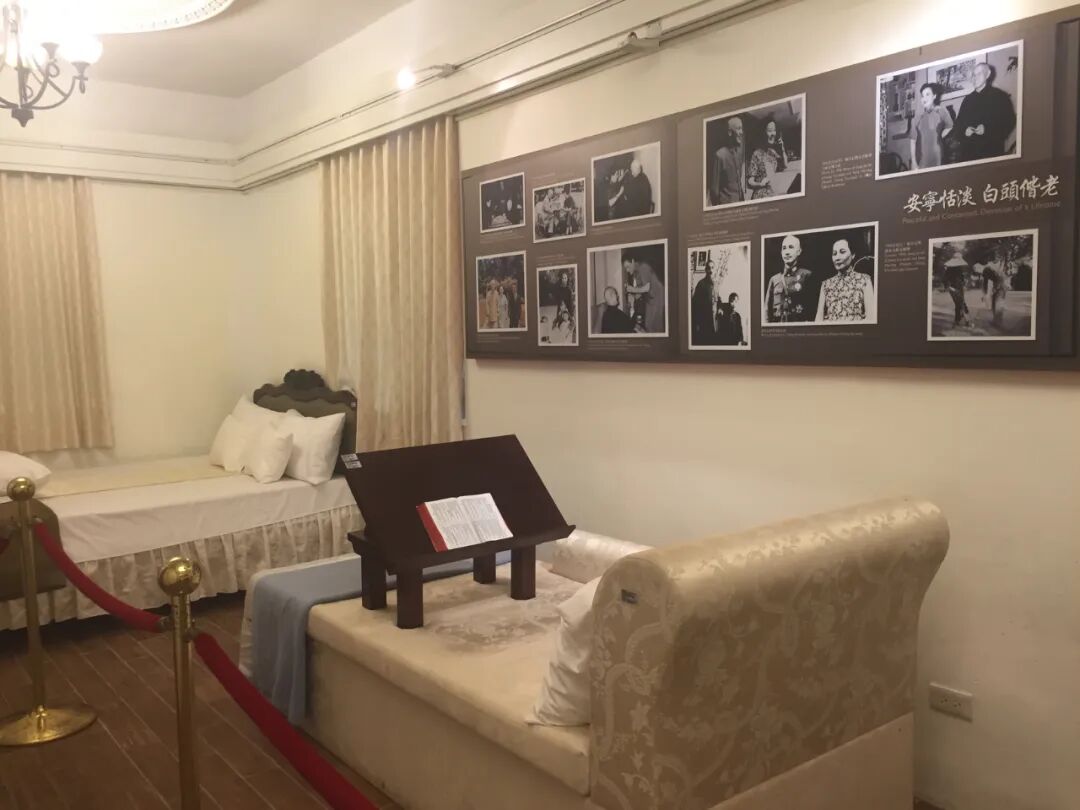
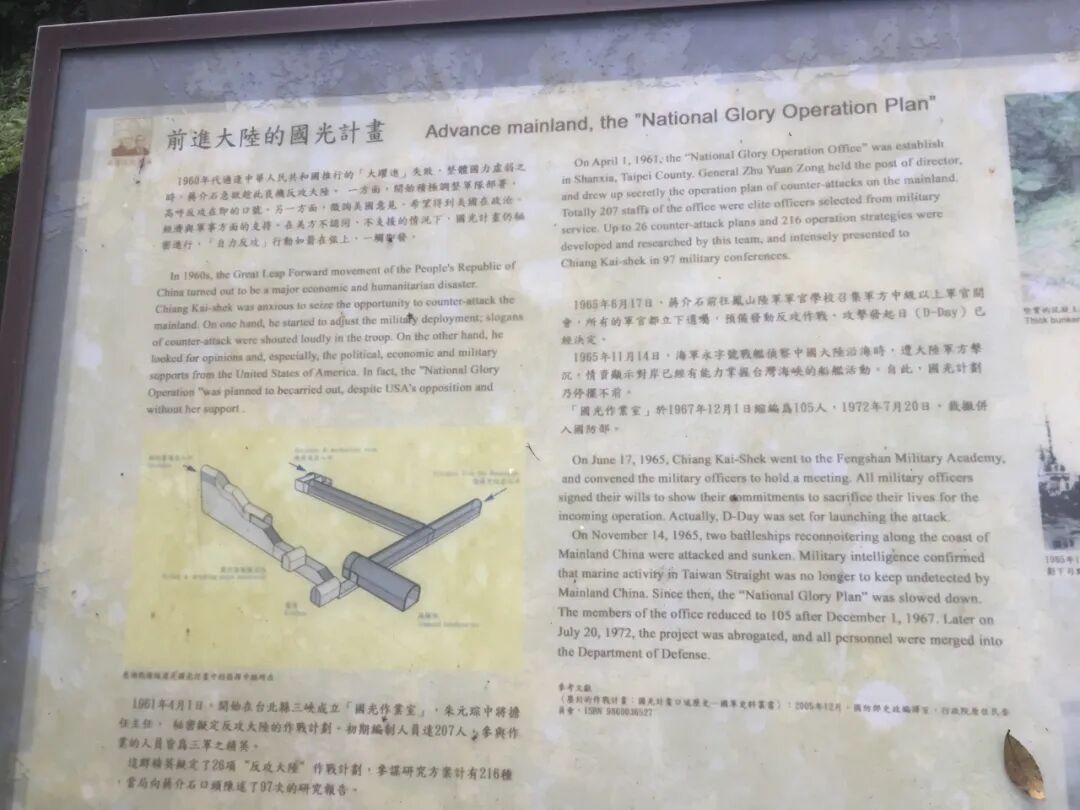
Even though Chiang Kai-shek was constantly talking about “retaking the mainland,” deep down, he probably knew it was a pipe dream. That meant he’d never truly return to his ancestral home in Fenghua, Xikou. So, he’d often come for short stays at the Cihu Guest House. He was seeking a little comfort from his homesickness. They say every time he visited Cihu, he’d talk about Fenghua, about Xikou. It’s truly heartbreaking, really.
My colleagues and I absolutely adore Cihu. Beyond its historical significance as his mausoleum, we genuinely love the natural beauty. Chiang Kai-shek really knew how to pick a spot!
My first time visiting, I even made it to Back Cihu. I’d heard you usually need a reservation. However, I took the ‘Taiwan Tourist Shuttle’ from the train station. I actually got to visit without one! Score!
After the bus dropped us off, our guide led us on a hike through Back Cihu. Then we reversed course to check out the ‘Retake the Mainland’ command center. Eventually, we looped back to the Cihu Mausoleum and the front lake. We even caught the guard change at the entrance again!
Alright, let’s talk Front Cihu (前慈湖):
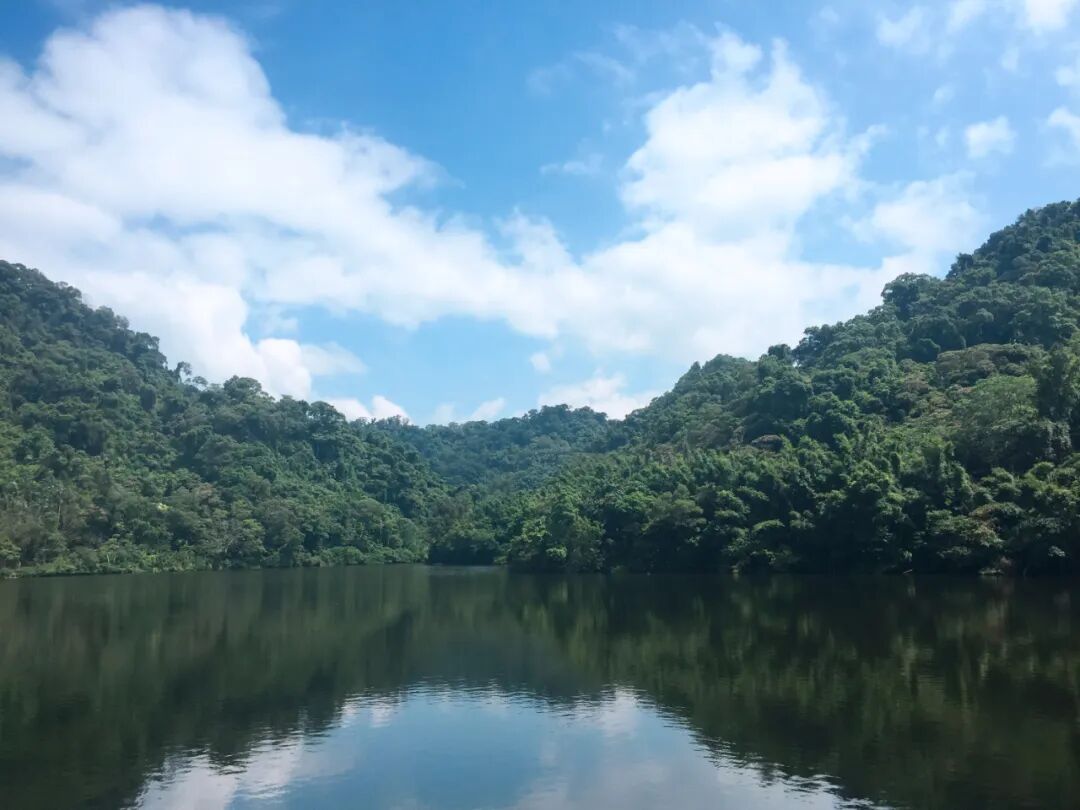
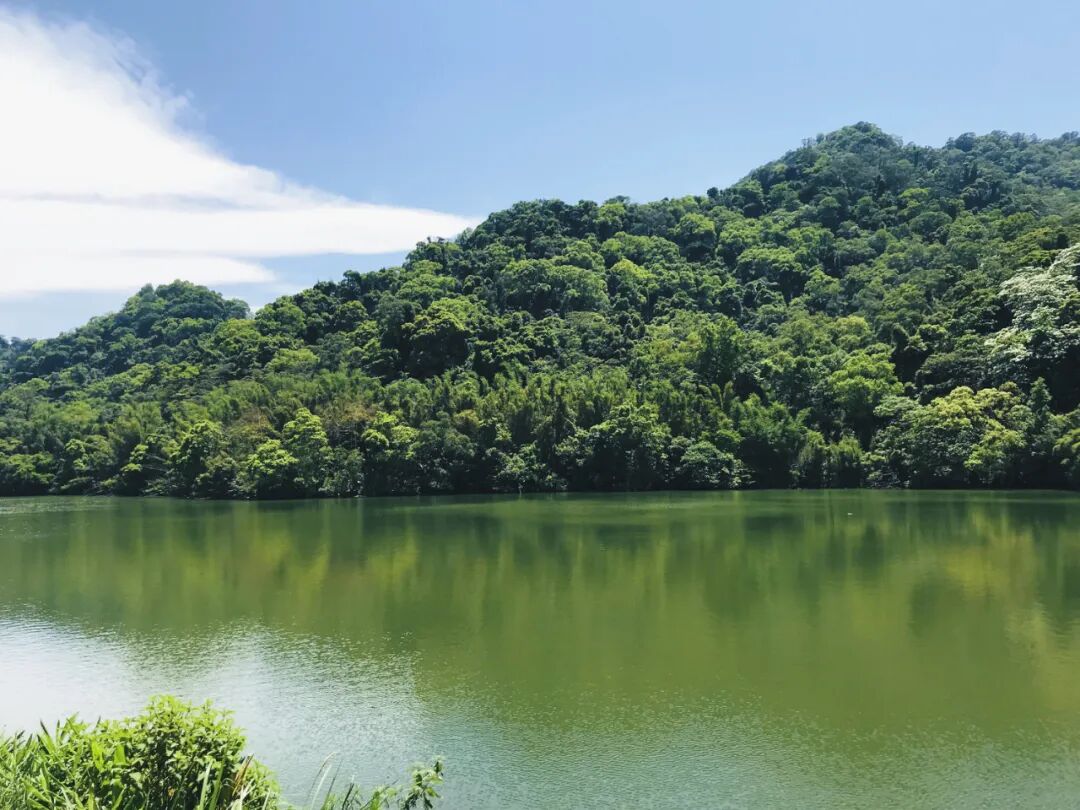
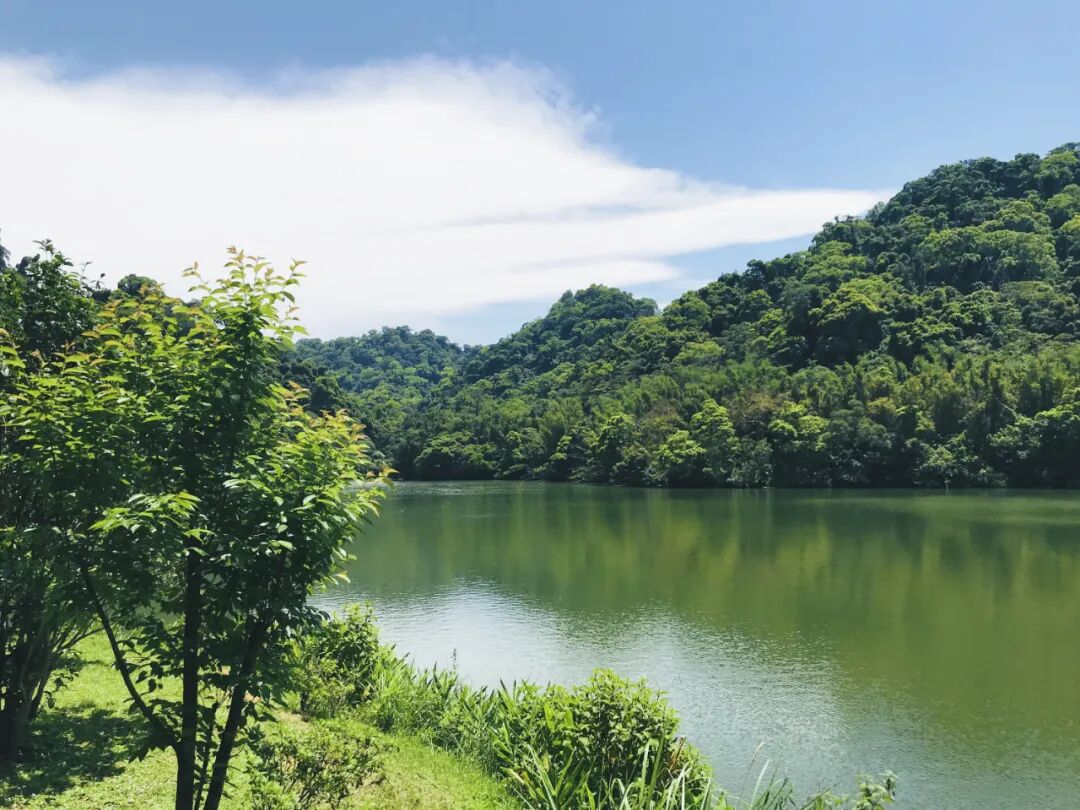
Now, according to traditional Chinese Feng Shui, if a deceased person isn’t properly buried, it can impact their descendants’ fortunes.
While there’s no scientific proof for that, when you look at the fate of the Chiang family line, it’s hard not to wonder.
A few years back, a client told me that his descendants were hoping to find a permanent resting place for both him and Chiang Ching-kuo. Doesn’t look like that’s happened yet. Here’s hoping he can truly rest in peace soon!
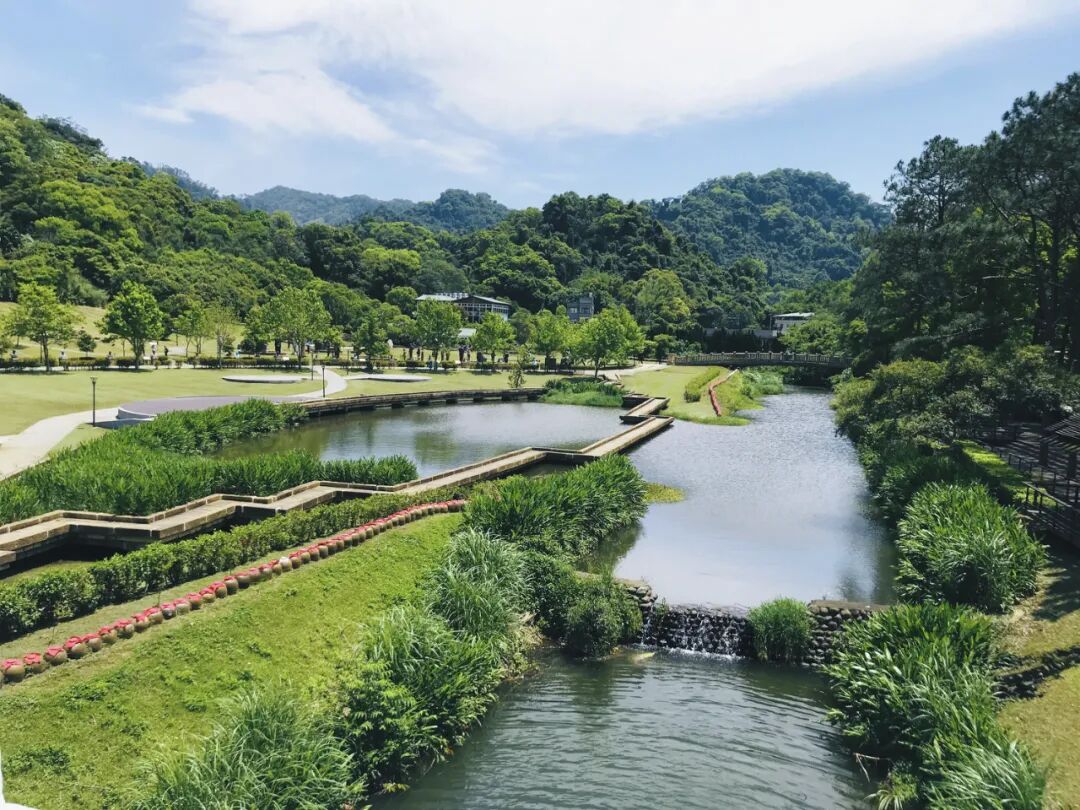
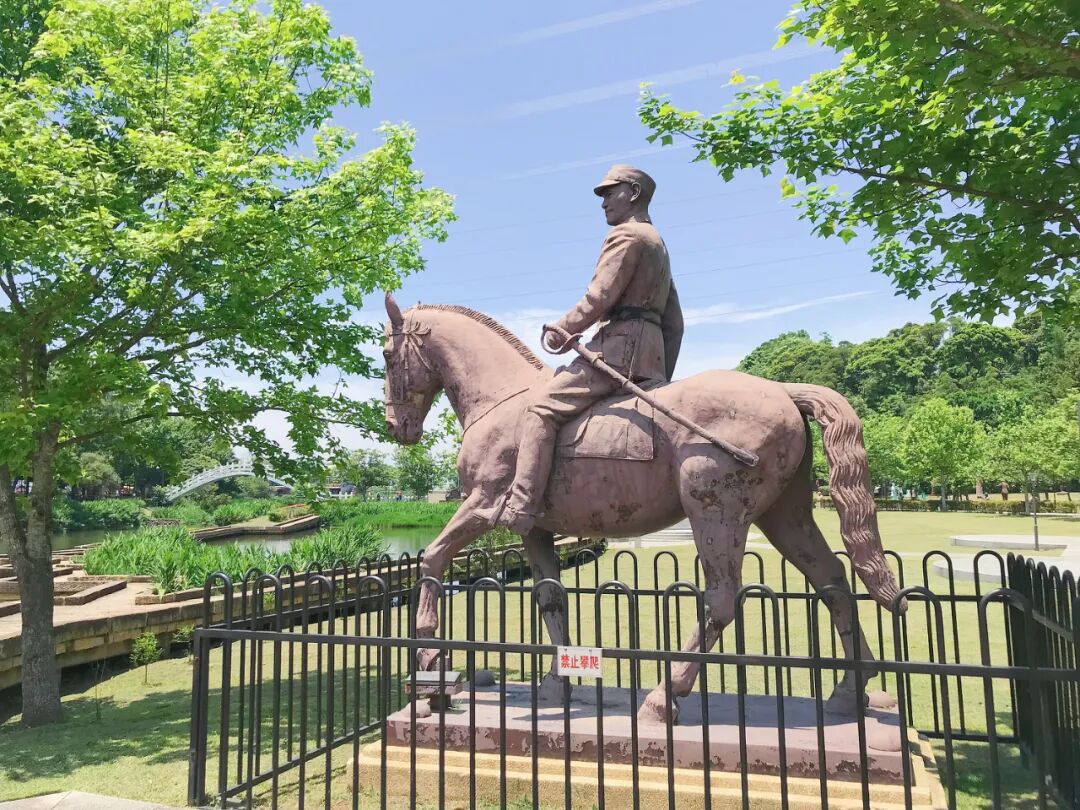
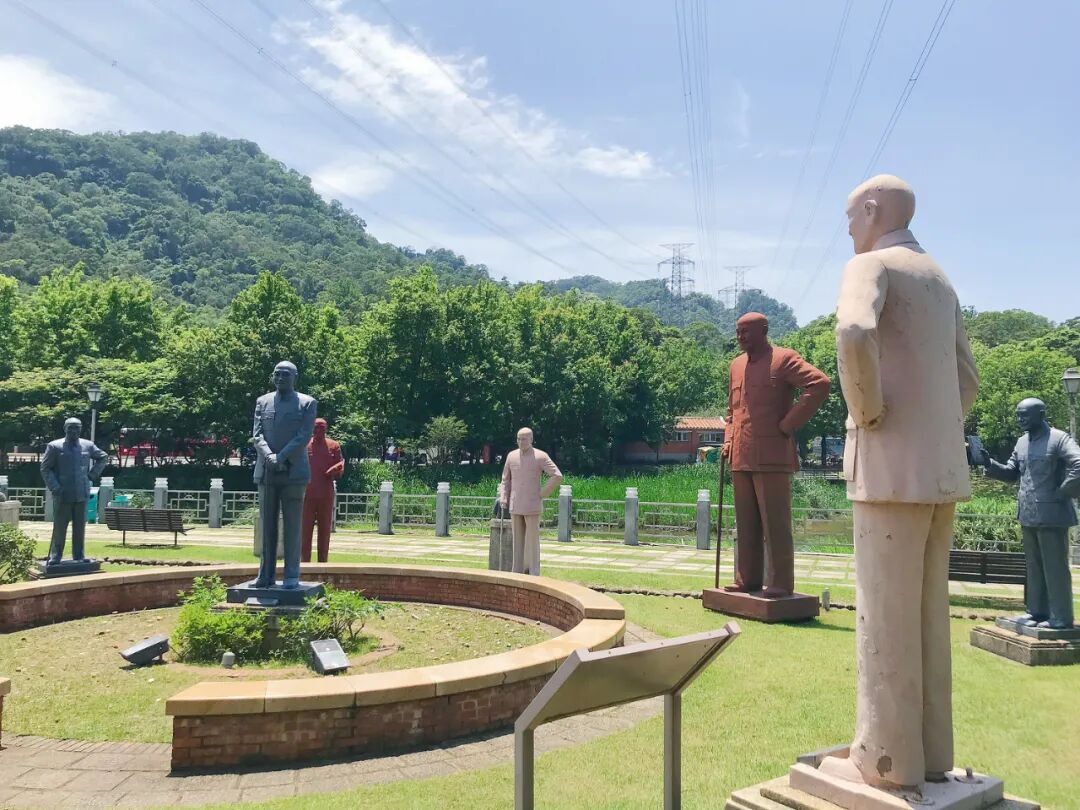
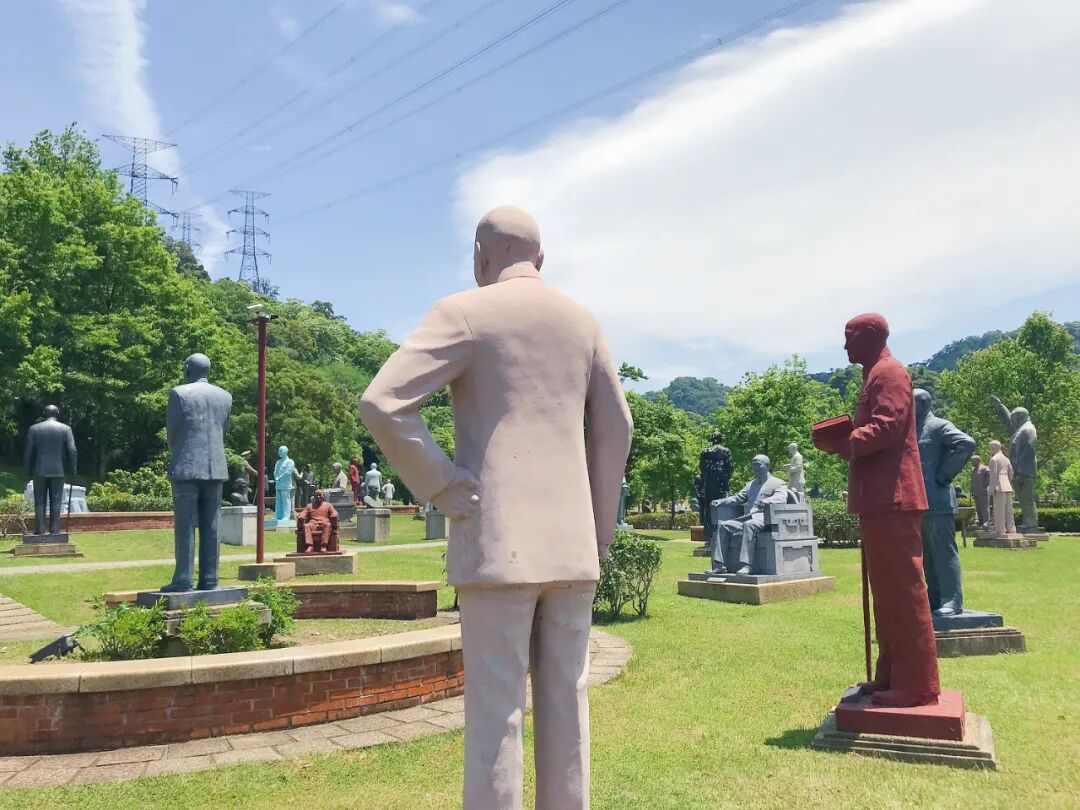
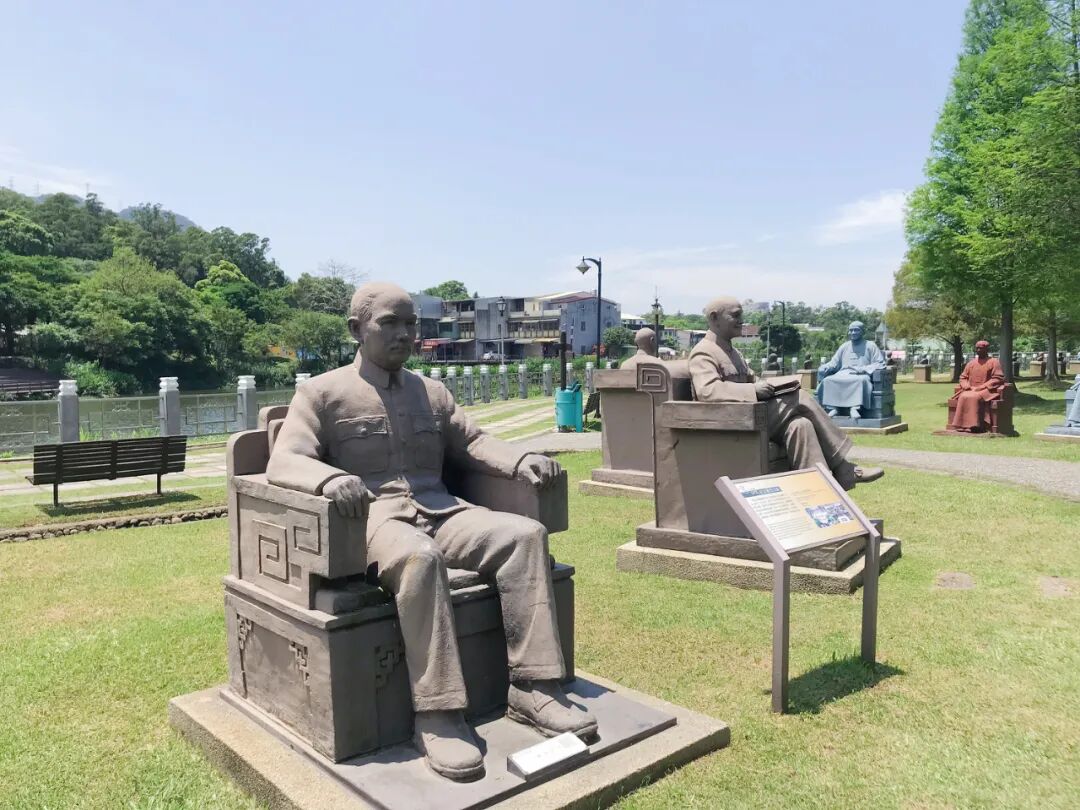
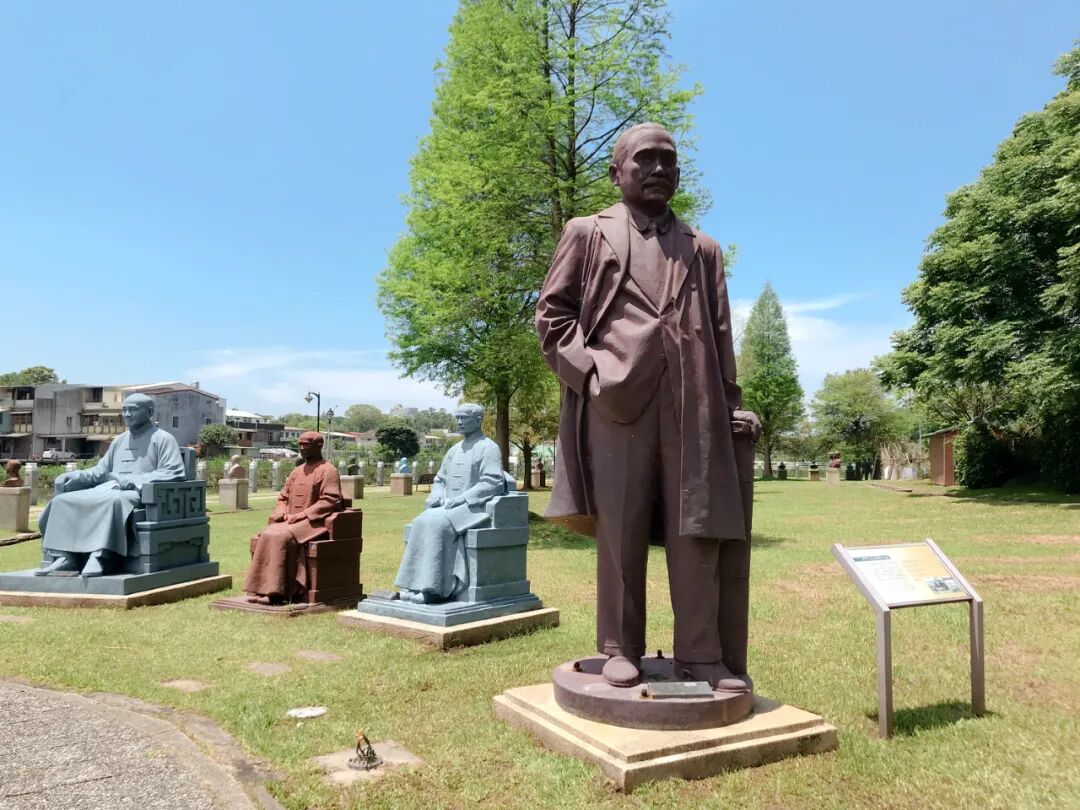
And finally, the Cihu Chiang Kai-shek Statue Park! So, in the late 1990s, the ruling party in Taiwan started pushing for ‘de-Chiang Kai-shek-ification.’ Yes, that’s a thing! Statues of him all over the island were being torn down. Taoyuan County, where Cihu is located, actually collected over two thousand of these dismantled statues. They picked out the ones with higher artistic merit to create this incredible sculpture park. You walk around, and there are statues everywhere – standing, sitting, on horseback, with canes – in all sorts of poses. Their expressions range from solemn and dignified to smiling and peaceful. Back then, people kinda scoffed at it, calling it a ‘statue refuge.’ But now? It’s a hugely popular tourist spot, buzzing with visitors! Talk about a comeback story for bronze, right?
Related Read: Skip the Crowds! Ningxia Night Market is Taipei’s True Culinary Gem & Local Secret!
Heard Shilin Night Market is a bit of a tourist trap? Then you *have* to check out Ningxia Night Market. It’s where Taipei’s real foodies…
More Stories
Beyond the Layover: Taoyuan’s Epic Mountain-to-Sea Adventure Awaits!